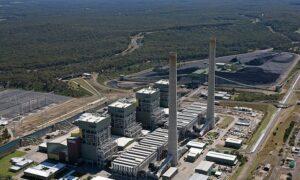
Australia’s national energy grid may not be prepared for the closure of New South Wales’ Eraring coal plant, the Australian Energy Market Operator (AEMO) has warned.
AEMO recently announced its 2025 Transition Plan for System Security over the next decade, as the nation transitions towards renewables.
The shortfall is allegedly set to come not from a lack of electricity supply from other sources, but from inadequate infrastructure for grid stability.
The report lists confirmed “system strength deficits” for Victoria and New South Wales across 2027-28 if Eraring closes as currently scheduled, which is no later than April 2029.
System strength services stabilise the electricity grid by helping keep voltage steady, especially important given the volatile nature of solar and wind generation.
So the deficits come with a warning of power outage risks if sufficient systems are not put in place to plug the gaps.
AEMO Chief Executive Daniel Westerman told ABC radio that power grids needed to be both reliable and secure.
“This report is specifically about system security,” he said.
“System security is really whether the electricity grid can maintain a stable heartbeat and maintain its resistance to shocks and disturbances and be stable through those.”
The report outlines that coal-fired power stations are retiring, with 10 closing down since 2012, and the remaining coal-fired power stations in a state of ageing.
The average age of Australia’s remaining coal-fired power stations is 38.
The government, Origin Energy, and TransGrid say they are working collaboratively to ensure there won’t be blackouts.
In 2024, AEMO warned that risks to power supply across New South Wales, Victoria, and South Australia were being caused by increased demand, delays in battery projects, mothballed generators, and infrastructure shortages in each state.
Last year, AEMO also warned Eraring’s closure could increase reliability risks.
“New investments and reforms are needed to maintain system security in advance of these transition points, with opportunities to co-optimise both reliability and system security investments to help keep costs as low as possible,” he said.
“Industry and governments have actions underway to manage the identified transition points.
“AEMO will continue to work collaboratively to signal and support the required investments and reforms needed to maintain system security.”