Bad Policy, or Bad Luck? Relocation of 13 Koalas Ends in Disaster

While koalas are sold as a great Aussie drawcard, the species appears to be in strife across the states.
Bad Policy, or Bad Luck? Relocation of 13 Koalas Ends in Disaster
A baby koala is seen at Wild Life Sydney Zoo in Sydney, Australia, on Oct. 14, 2021. Mark Evans/Getty Images
|Updated:
0:00

While Australia’s iconic grey marsupial may be a money-maker when it comes to tourism, the koala seems to be under strain as the result of government policy—in one form or another.

And while Prime Minister Anthony Albanese has boasted of the nation’s “cute koalas” in an effort to lure in Chinese tourists, koalas back home are not faring quite so good.

In the latest decision leading to koala deaths, the New South Wales (NSW) Labor government carried out a relocation of 13 koalas, only for seven to die and the remainder needing to go into care.

The ill-fated koalas, which were selected for relocation in April, had been sick with signs of septicaemia, also known as blood poisoning.

Koalas can develop the illness when bacteria enters the bloodstream through cuts or scratches, and research has found they are particularly vulnerable when faced with stress from being handled.

Six of the creatures were eventually returned in a healthy condition to their original forest in the Upper Nepean region.
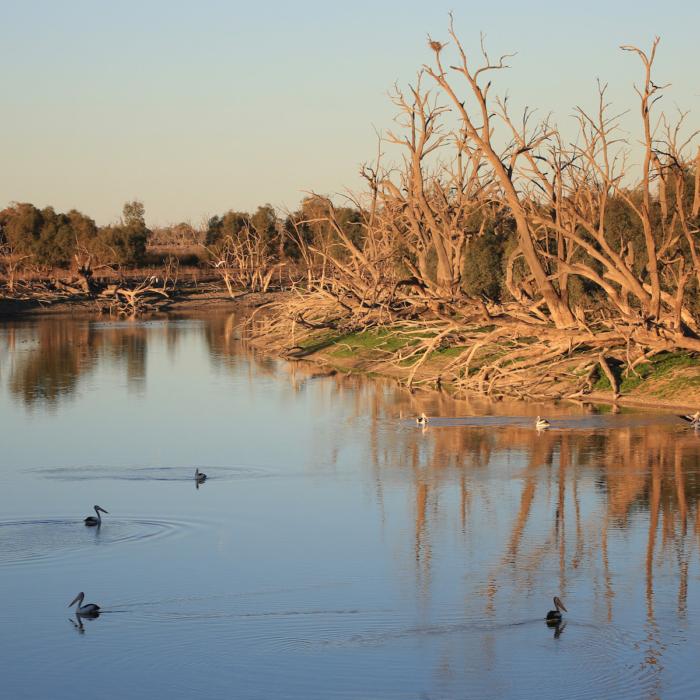

Koala relocations, or translocations as they’re known, can be carried out for a number of reasons including moving the marsupials to safer habitats in case of development, overpopulation, efforts to improve genetic diversity and bushfire recovery.

NSW Environment Minister Penny Sharpe broke her silence on the issue on July 15.

“The reality is that we do translocations, and sometimes, unfortunately, they have not been successful,” she said.

“This particular translocation is actually under investigation.

“We’re of course deeply upset about the fact that these koalas did not survive but we’re also getting to the bottom of it and doing a full investigation of what occurred here.”

Sharpe said that despite the tragic outcome, translocations were necessary and would continue to be conducted.
The Wildlife Information Rescue and Education Service (WIRES) has labelled the NSW government’s current policies around koalas as “inadequate,” with a 2024 inquiry finding NSW koalas are facing extinction by 2050.
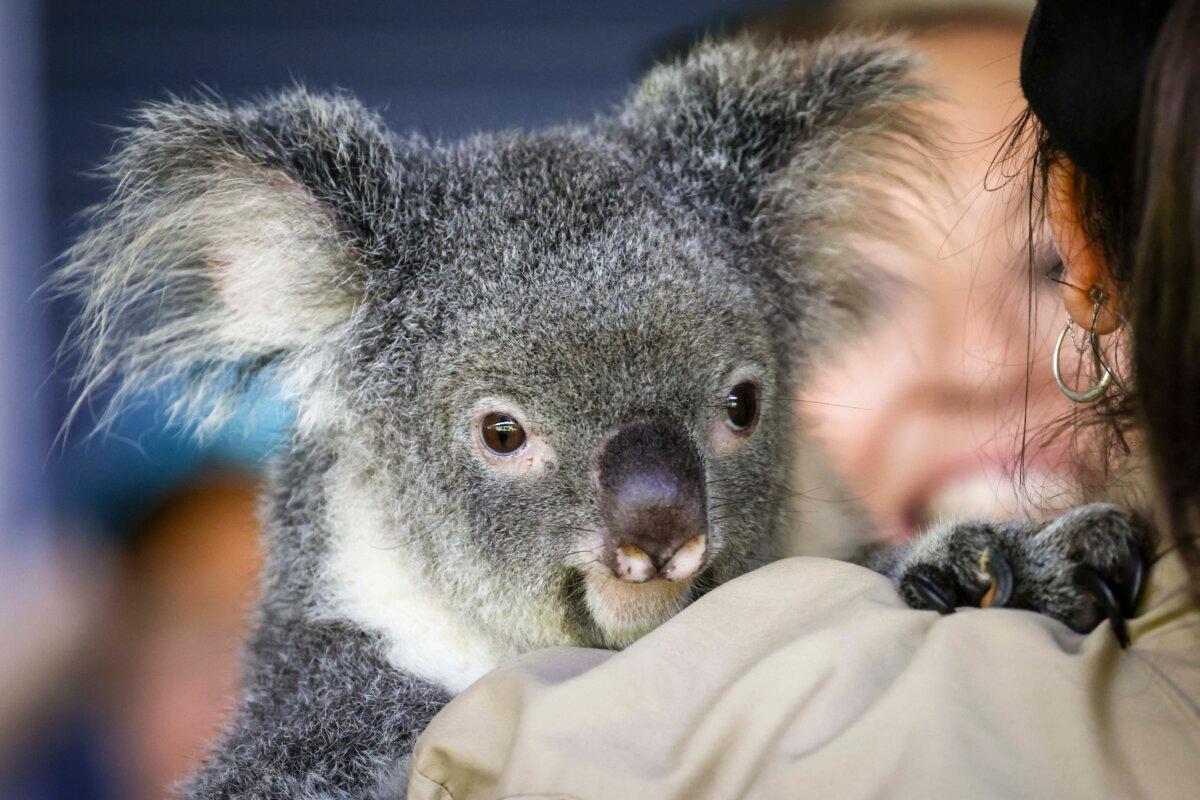
This picture taken on April 6, 2024, shows a native Australian koala being held by a keeper during a show for tourists at Hartley's Crocodile Adventure Park located north of the Queensland city of Cairns in Australia. (David Gray/AFP via Getty Images)
This picture taken on April 6, 2024, shows a native Australian koala being held by a keeper during a show for tourists at Hartley's Crocodile Adventure Park located north of the Queensland city of Cairns in Australia. David Gray/AFP via Getty Images

Koalas Shot From the Air

Another blow to Australia’s koala population occurred in March when around 1,000 koalas were culled in Victoria.
Australians for Animals NSW has filed a motion for a judicial review in the hopes of invalidating a Victorian government mandate that resulted in the deaths.
The Victorian Department of Energy, Environment, and Climate Action (DEECA) authorised the cull after bushfires blazed through 2,200 hectares of the state’s Budj Bim National Park earlier this year.
The government authorised the koalas to be shot from helicopters, saying they could not be easily reached by rescuers and would have suffered if they were not put down.

Wind Farm Threat

Plans for wind farms in precious remnant forests proved a major concern for conservationists, as highlighted in a special report published by The Epoch Times on Oct. 25, 2024.

Wind farms contribute to land clearing, but the low-frequency humming also impacts koalas by disguising mating calls.

Wind farms were not impact assessable under the former Steven Miles Labor government, meaning they did not have to pass community consultation to be implemented.

In January, just months after coming to power, the Liberal National Party announced it was making all significant wind farm projects impact assessable, meaning developers would be forced to consult with councils, communities, and other stakeholders on new projects.
Google LogoMark Us Preferred on Google
Crystal-Rose Jones
Crystal-Rose Jones
Author
Crystal-Rose Jones is a reporter based in Australia. She previously worked at News Corp for 16 years as a senior journalist and editor.