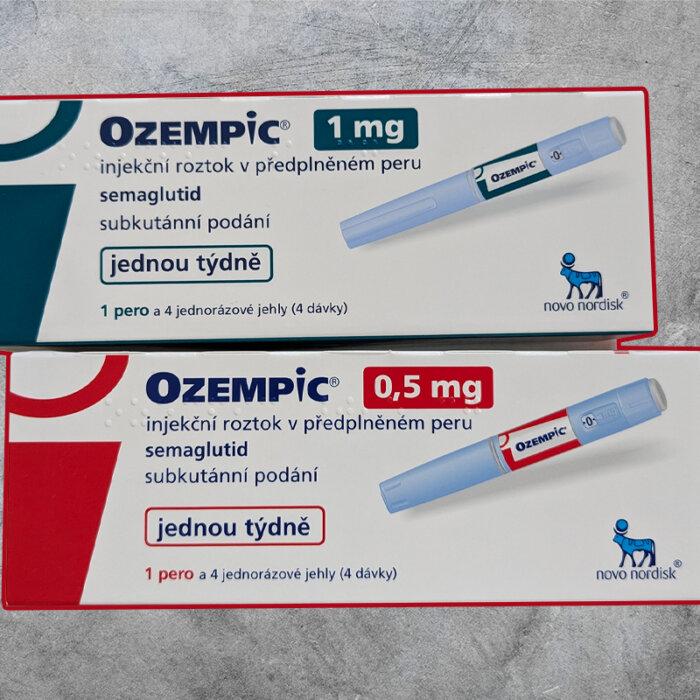
The Australian government is set to ban pharmacists from compounding replicas of popular weight loss drugs such as Ozempic and Mounjaro, citing safety concerns.
Compounding is a process whereby a pharmacist mixes various ingredients to emulate another drug. It is usually done because the medicine needs to be tailored to suit a particular patient, such as someone who may be allergic to a particular ingredient or needs a different dose than is commercially available.
However, compounded products are not approved by the Therapeutic Goods Administration (TGA) and have not been evaluated for safety, quality, or efficacy.
Medicines Australia warns that “the ingredients used in compounded medicines may be counterfeit or may have been illegally imported into Australia, and each formulation may differ in quality.”
In 2019, the Pharmacy Council of New South Wales revealed it had 42 complaints about compound medicines in the previous year, that the number was increasing every year, and that this constituted 13.5 percent of the total number of complaints received.
Minister for Health and Aged Care, Mark Butler, highlighted growing community concerns regarding these products.
“The commercial-like scale and quality standards of compounded weight loss products has been the subject of increasing community concern, both in Australia and internationally,” Mr. Butler said.
“It has been repeatedly documented in the media, including concerns raised by individuals who have used these medicines.”
After consulting stakeholders, the government decided to prohibit the compounding of “glucagon-like peptide-1 receptor agonists,” which it says are “not identical to the TGA-approved products Ozempic or Mounjaro.”
Adverse Events Reported
The government reports that at least 20,000 patients are using these products, mainly for weight loss management, with increasing reports of harm, including the hospitalisation of a patient in Australia due to a serious complication.Internationally, the U.S. Food and Drug Administration (FDA) has also warned consumers about the safety risks of injecting some compounded products, following an increase in adverse events.
The minister said that while the government recognises compounding is valid “in certain circumstances ... Australians should be able to have faith in the medications they use, including compounded medicines.”
“While I understand that this action may concern some people, the risk of not acting is far greater. You only have to look to the recent reports of individuals impacted by large-scale compounding to realise the dangers posed,” Mr. Butler said.
“This action will protect Australians from harm and save lives.”
The ban will take effect on Oct. 1, allowing patients time to consult with their doctors and prepare alternative management plans, including sourcing a safer, regulated alternative where necessary.
In Australia and New Zealand, Ozempic is authorised only for the management of type 2 diabetes and not as a weight loss treatment, despite extensive demand from patients.
Many GPs are prescribing it “off label” (for other than the authorised use) to meet that demand, which is legal but discouraged by the TGA.
The TGA has even suggested that doctors consider switching current patients to an alternative medication because “continuous supply cannot be guaranteed.”