Australia is considering setting a price floor to support critical minerals projects, including rare earths.
Australia has been positioning itself as an alternative source of critical minerals to dominant producer China.
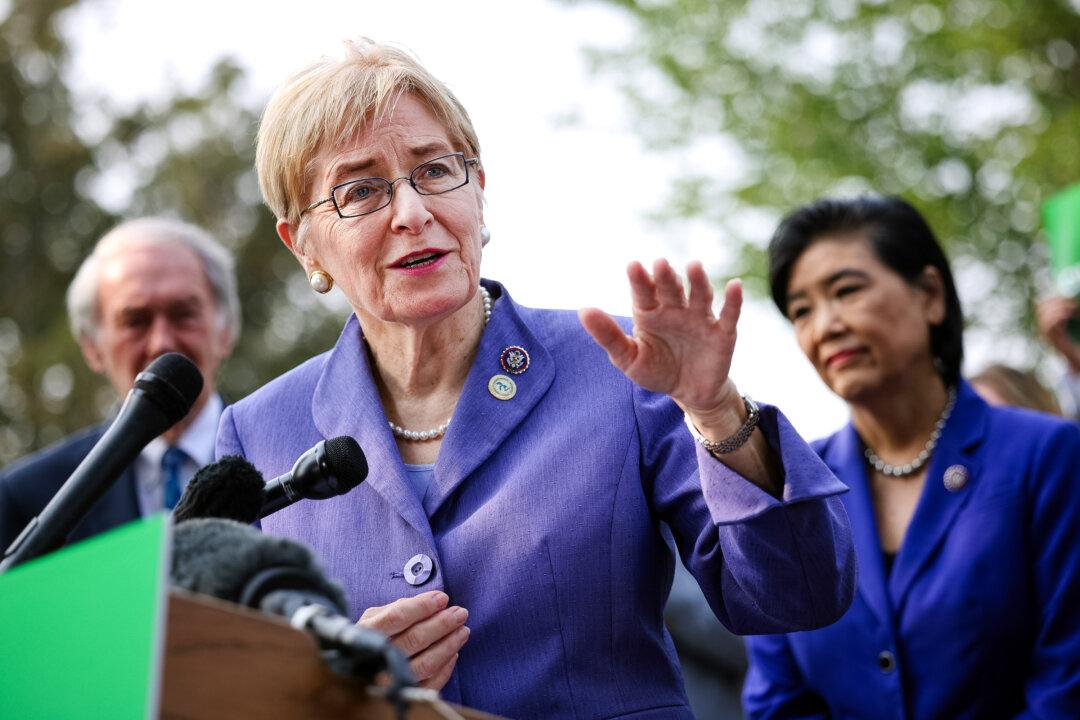
“There’s a lot of support across the community for developing this industry...for Australia being a critical minerals and rare earths power in this world, as we should be,” she said.
“Our geology enables us to do this,” she said, adding that this is a “long-term project.”
“We know that our competitors in this field in China are between 20 and 30 years ahead of us. That’s a long time where the Western world has kind of, you know, subbied out sort of resource extraction, a lot of chemical processing, a lot of mineral processing. So now we’re going to start doing it,” King added.
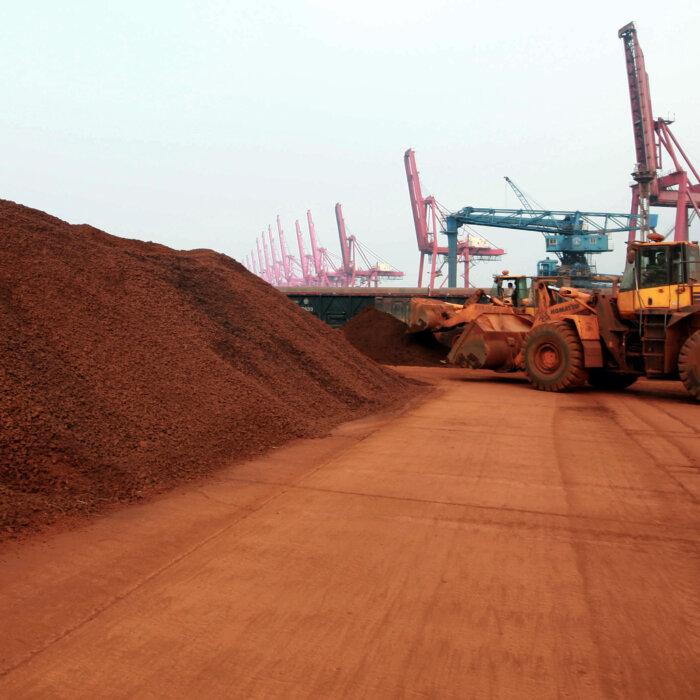

“Australia is home to some of the largest critical minerals deposits on earth—just about the whole periodic table of elements. We are uniquely placed to meet the needs of increasing global and domestic demand,” it said.
“Antimony is an alloy hardener for other metals in ammunition and batteries, and is critical to the manufacture of semiconductors found in electronics and defence applications, and is used in flame-retardant materials,” the company said.
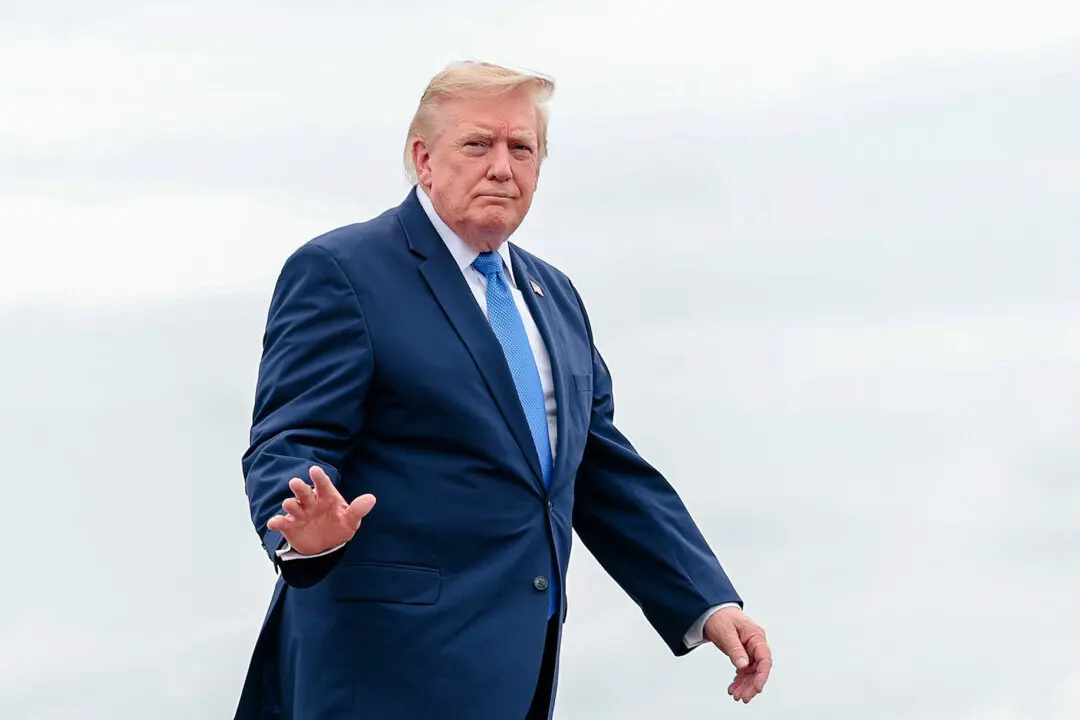
The White House is also planning to expand its support for domestic rare earth businesses to counter the Chinese monopoly on rare earths.
Furthermore, senior U.S. officials informed a group of rare earth companies at a recent meeting that the Trump administration intends to form public-private partnerships to boost domestic production and extend a minimum price guarantee to their products.
While some rare earth elements, such as dysprosium, samarium, and praseodymium, are called “rare,” they are not actually rare in the Earth’s crust and are abundant in many places.
These critical elements are typically found in low concentrations and are difficult to separate from other materials, often requiring specialized or even toxic extraction processes.
Under the Chinese Communist Party, China holds a near-monopoly on the global rare earths market, dominating both mining and processing through state-controlled companies and strict export regulations.
China accounts for nearly 90 percent of global refined output and has designated rare earths as protected and strategic minerals since 1990.