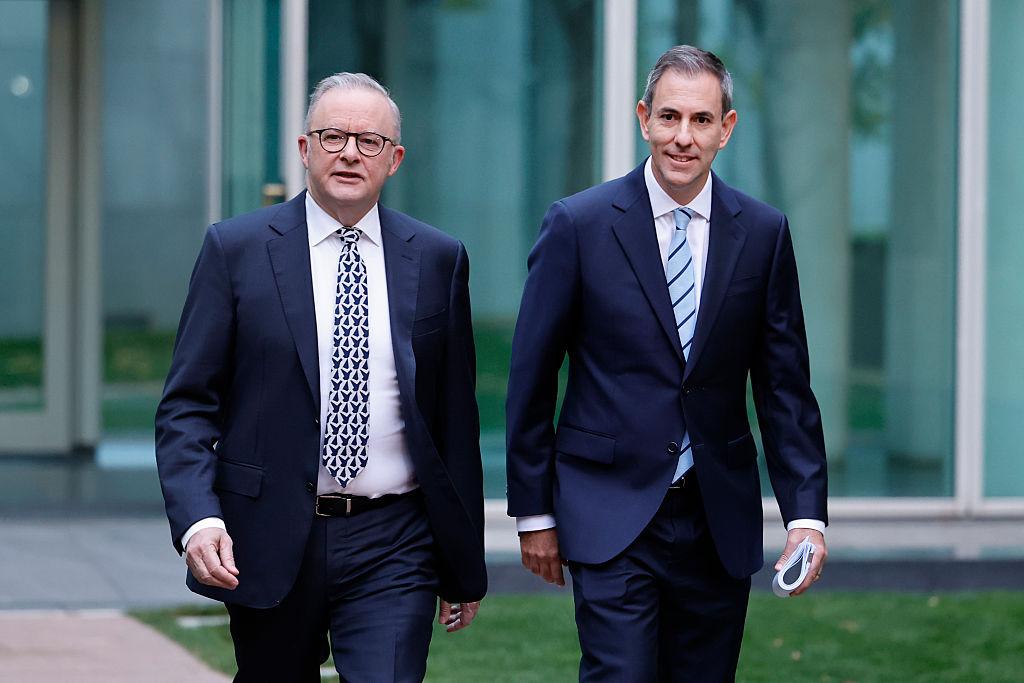
Australia and Papua New Guinea (PNG) have formally signed the long-awaited Pukpuk Treaty in Canberra on Oct. 6, cementing the two nations as formal allies.
Both leaders called the finalisation of the treaty a historic moment.
“This treaty elevates the relationship between our two nations to the status of an alliance. It is Australia’s first new alliance in more than 70 years, and only the third in our history,” Albanese said, referencing Australia’s alliances with the United States and New Zealand.
“I say on behalf of the government and the people of Australia, we consider it a great honour that our nearest neighbour is our newest ally,” he added.
Marape said Australia has always been the partner of choice.
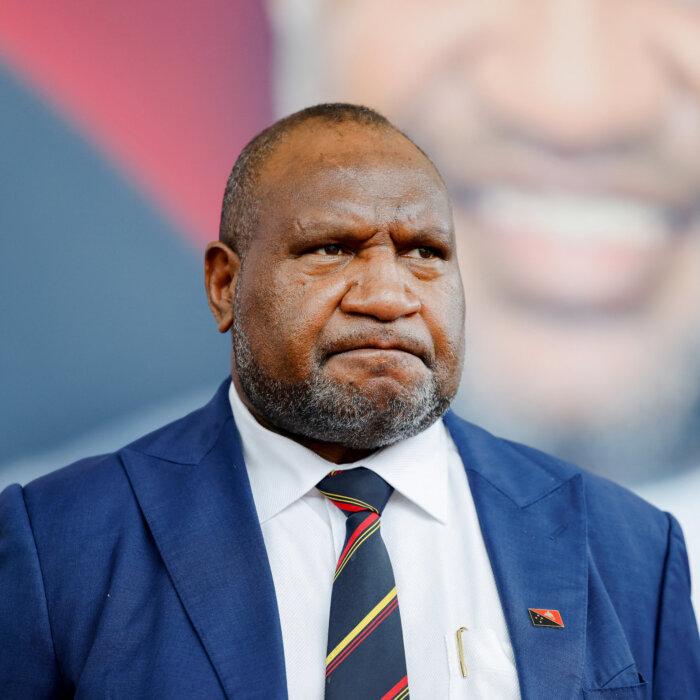
“We made a strategic call, a conscious choice, that Australia will be our security partner of choice, and that choice for the life in me I will never live to regret,” he said.
What the Pukpuk Treaty Means
The Pukpuk Treaty commits both countries to “act to meet the common danger” if either faces an attack, effectively elevating PNG to ally status alongside Australia’s oldest security partners.The pact will also allow Papua New Guineans to serve in the Australian Defence Force (ADF) and require Australia to invest billions in strengthening PNG’s defence capabilities.
The treaty aims to make both militaries interoperable and deepen defence cooperation across joint exercises, intelligence sharing, and regional security coordination.
The deal’s finalisation is being viewed as a diplomatic win for Canberra, following years of delicate negotiations.
The signing was initially expected to take place then but was delayed after several PNG ministers returned to their provinces, leaving the Cabinet short of a quorum.
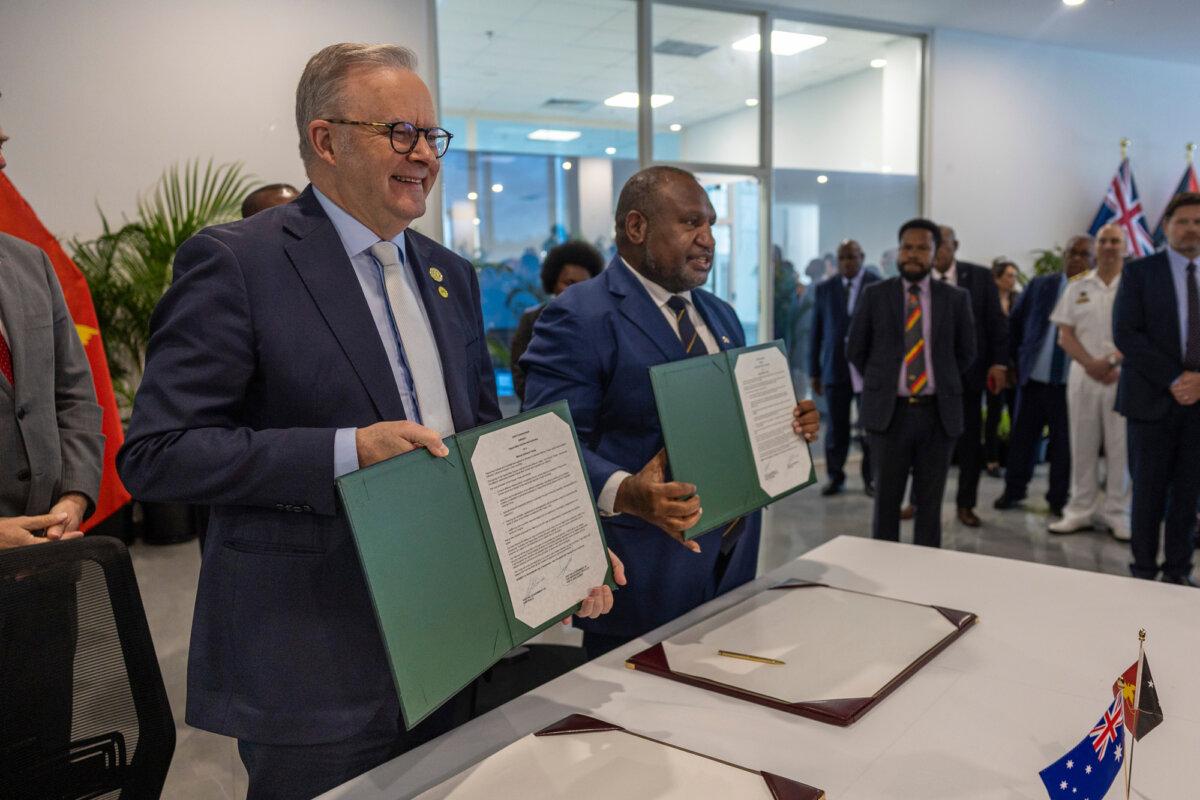
Despite that setback—and an awkward moment when gold pens appeared for what turned out to be a communique signing—both governments persisted.
Beijing’s Warnings and PNG’s Balancing Act
The signing comes amid escalating strategic competition in the Pacific, with Beijing having publicly threatened PNG against entering any agreement that would “restrict or prevent” its cooperation with other nations.The Chinese embassy in Port Moresby issued the warning on Sept. 18, signalling unease over Canberra’s growing defence influence.
When asked whether the Pukpuk Treaty was a message to China, both leaders downplayed the suggestion.
“This treaty is about our relationship with our closest neighbour,” Albanese said.
Marape pointed to the agreement’s collaborative purpose.
“The treaty doesn’t set up enemies but consolidates friendships,” he said.
He confirmed that PNG had informed China of its decision.
“They understand our alliances here,” Marape said. “Australia still maintains their relations with China and other nations. We still maintain our relations with China and others. Each of our foreign relations is maintained in the context of this security treaty.”
Despite these reassurances, China’s influence remains strong in PNG, which was the first Pacific Island nation to sign up to the Belt and Road Initiative (BRI) and is now the largest recipient of Chinese aid in the region.
Broader Regional Implications
For Australia, the Pukpuk Treaty signals a broader push to counter communist China’s expanding influence in the Pacific by strengthening security partnerships with its closest neighbours.Canberra is now seeking a similar pact with Vanuatu, but progress has been slower.
Talks over the proposed $500 million “Nakamal Agreement” in Port Vila collapsed last month amid domestic resistance.
Vanuatu’s Internal Affairs Minister Andrew Napuat voiced concerns that such a deal could limit his country’s ability to accept infrastructure funding from third parties.
When Australia’s Pacific Minister Pat Conroy described the agreement as “aspirational,” Napuat accused him of “arrogance and ignorance,” saying that Vanuatu’s sovereignty must be respected.