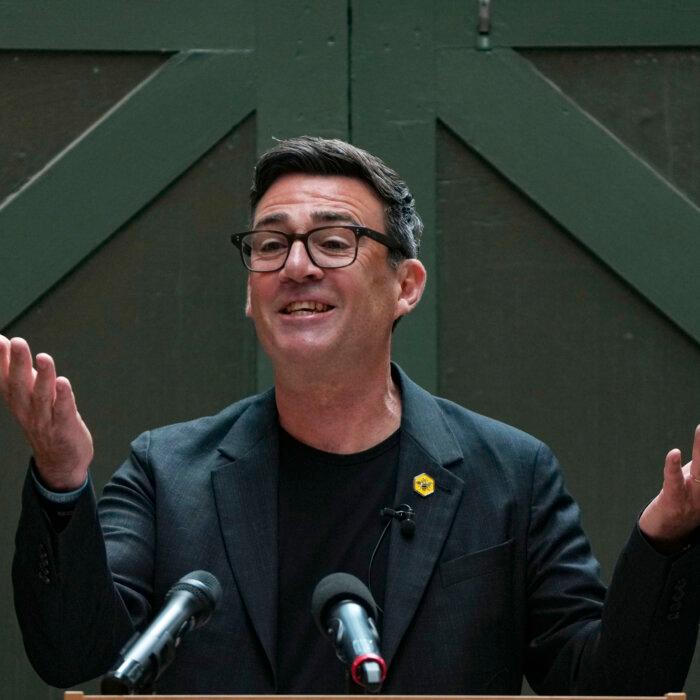
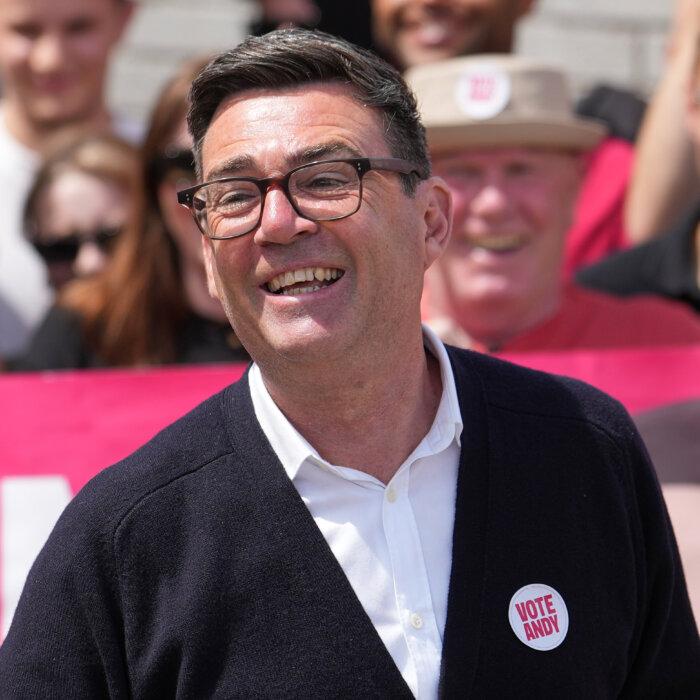
Andy Burnham officially became leader of Britain’s governing Labour Party on Friday, the final step before becoming the country’s seventh prime minister in a politically turbulent decade.
At a special conference in London on Friday, the former mayor of Greater Manchester was officially confirmed as party leader after gaining overwhelming support from Labour lawmakers.
He will not officially be appointed as prime minister until he is invited to form a government by the monarch, King Charles. This is a formality as the UK’s parliamentary democracy means that the leader of the party with a majority in the House of Commons is asked to lead the government.
Critics and some within the Labour party have raised concerns about the manner of Burnham’s return and his sudden rise as Labour leader and as prime minister.
Rise of Reform Rattled Labour
Burnham was popular as the Manchester mayor, being reelected twice, and was considered Labour’s best hope of turning its fortunes around before the next national election, not due until 2029.
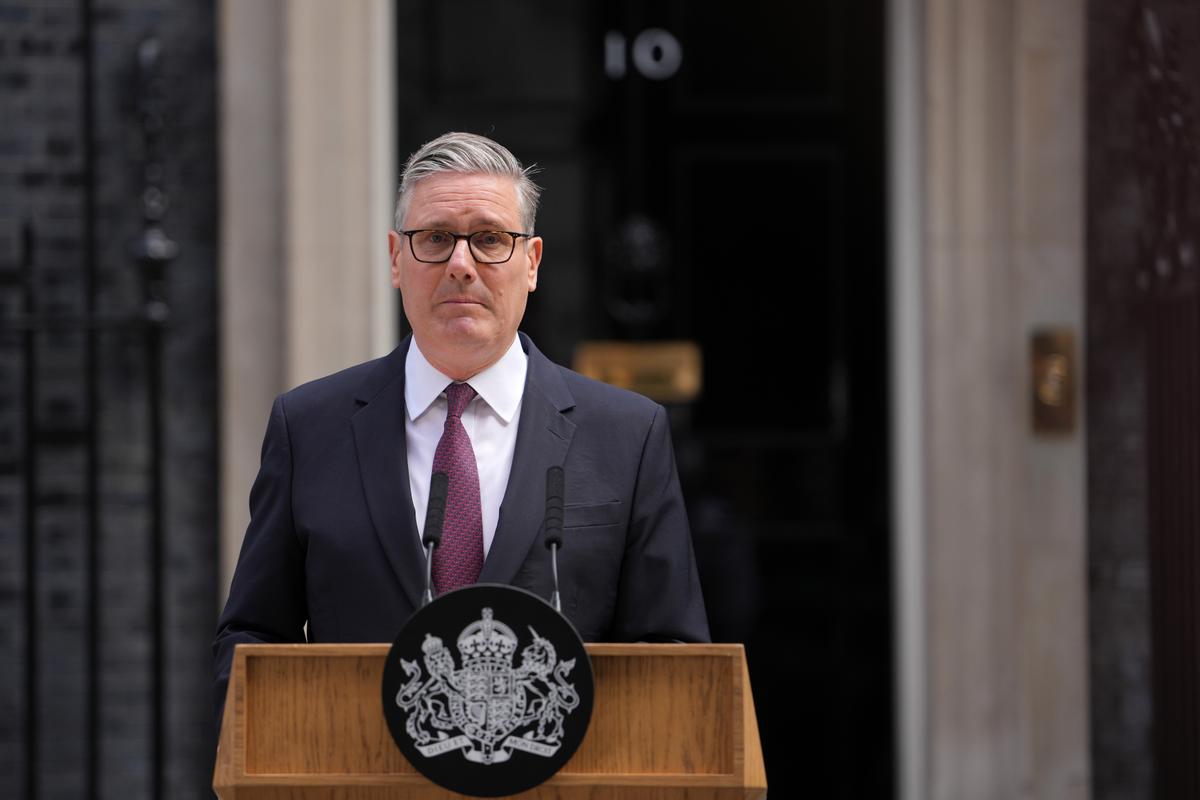
Starmer was Labour’s seventh prime minister, and its shortest serving, with just under two years in Downing Street, since he led the party to a landslide election victory in July 2024.
Labour’s Deputy Leader Lucy Powell paid tribute to Starmer, saying he would be remembered for turning around the fortunes of the party by making it electable, after 14 years of Conservative rule.
Unanimous Backing of Unions
Burnham received the nomination of 379 Labour MPs out of 403—well over the threshold required—and was also backed by all 11 party-affiliated trade unions.
Burnham said he was ready to build on Starmer’s foundation, paying tribute to the outgoing Labour leader, who was not present, having traveled to Ukraine to meet Ukrainian President Volodymyr Zelenskyy on Thursday. Starmer and Burnham have previously worked together, with Starmer backing Burnham to be party leader in 2015, when he finished runner-up to veteran progressive Jeremy Corbyn.
‘Boldly, Authentically Labour’
Thanking lawmakers for their support, Burnham said: “We are united and we put the power that comes from that unity at the service of people and places who have been waiting too long for politics to let them hope again.”
Watched by an audience of Labour members, which included former party leader Neil Kinnock, Burnham pledged to be “boldly, confidently, authentically us—Labour.”
“I will set a direction that is distinctively Labour. We won’t try to out-Green the Greens, or out-Reform Reform, or doing what we’ve done in the past and wear too many Tory clothes,” he said in an apparent reference to long-serving Labour prime minister Tony Blair, who was not spotted in the audience.