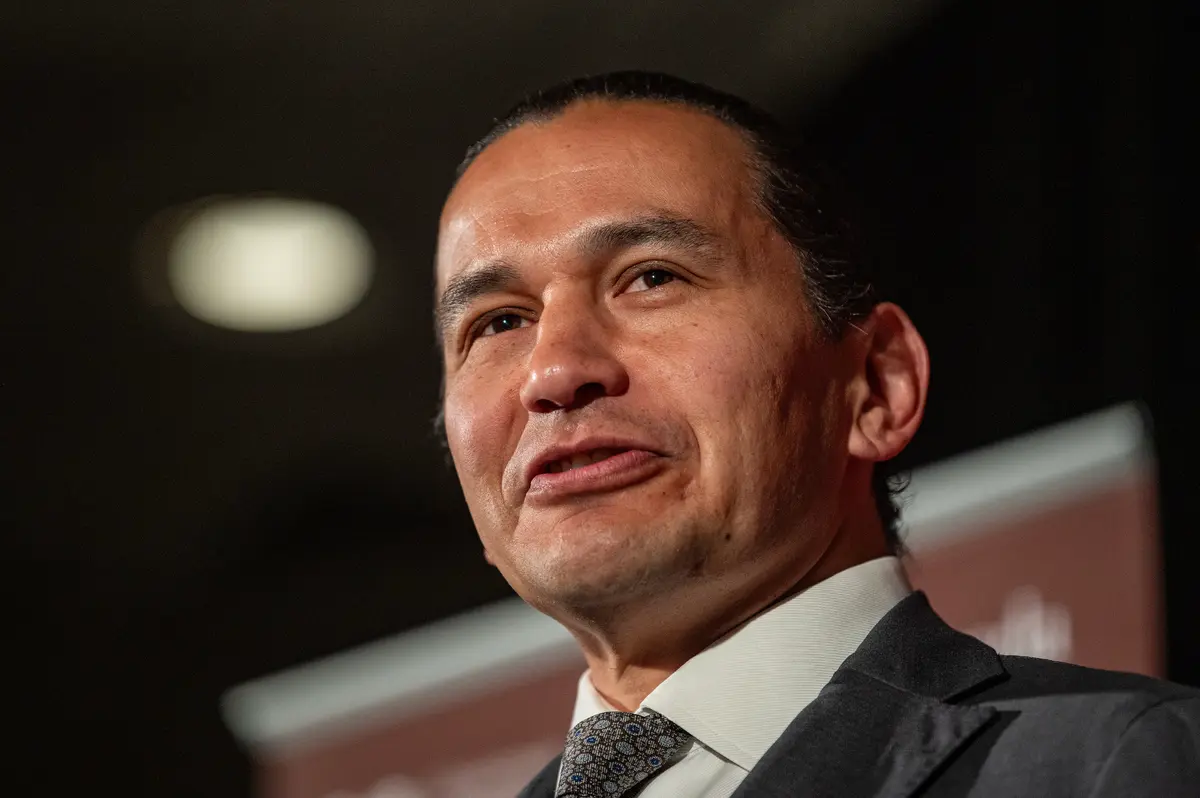
Alberta’s Premier Danielle Smith achieved the highest score among Canada’s premiers in a nationwide evaluation of fiscal management by a think tank that saw Manitoba’s NDP Premier Wab Kinew place last.
Seven current and three former premiers were evaluated on a scale of 100 based on their fiscal performance for the 2024-2025 fiscal year across three categories: government spending, taxes, and deficits and debt.
Premiers who managed spending more prudently, balanced their budgets and paid down debt, and reduced or maintained tax rates ranked higher, Fraser Institute director of fiscal studies Jake Fuss said in the report.
Smith achieved a score of 75.6, positioning her well ahead of her fellow provincial leaders. Completing the top three were Ontario Premier Doug Ford and former New Brunswick Premier Blaine Higgs, who scored 64.5 and 63.8 respectively.
Rounding out the top five were Saskatchewan’s Scott Moe, who placed fourth with a score of 60.3, and Quebec Premier François Legault at 56.3.
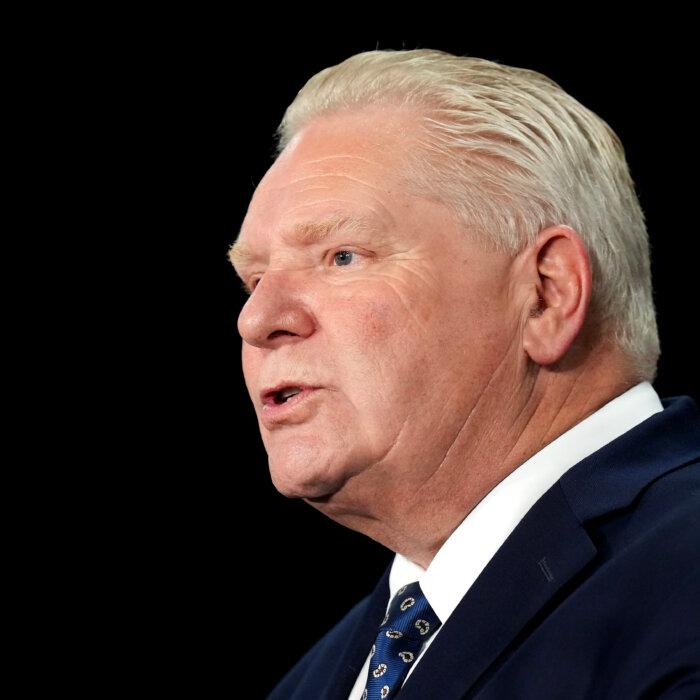
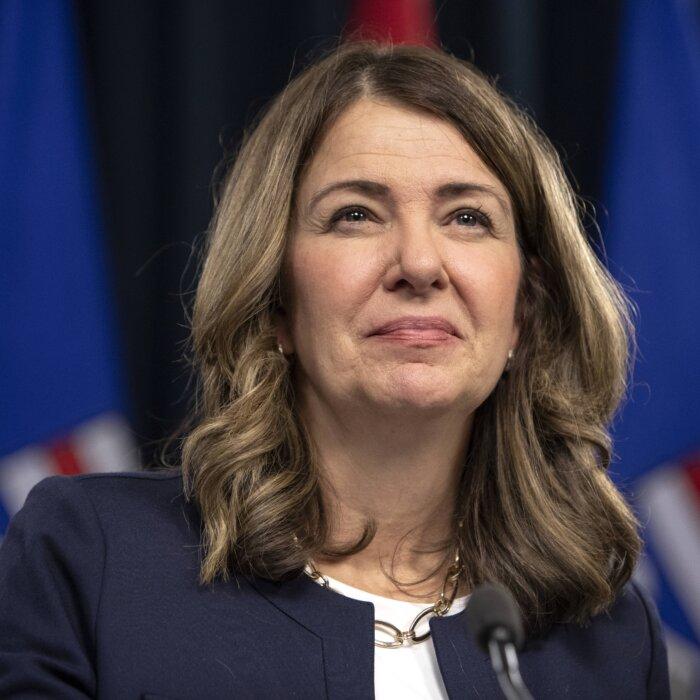
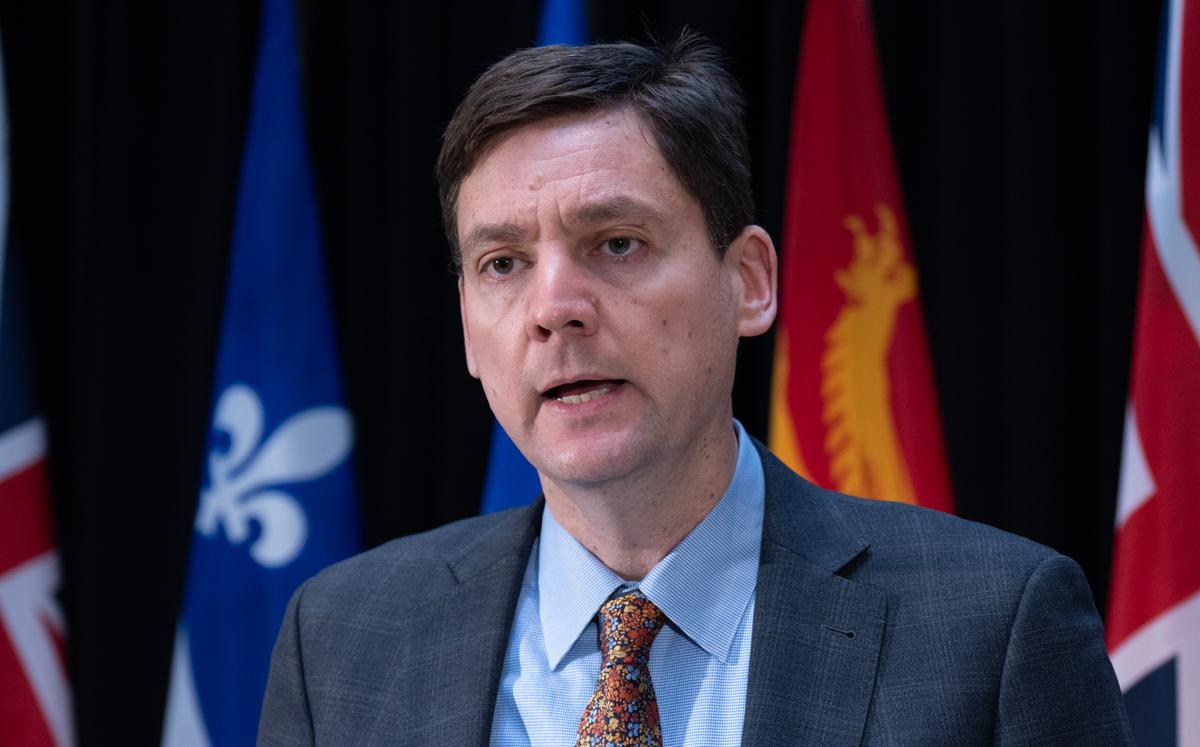
Former P.E.I. Premier Dennis King earned a score of 55.1 followed by Nova Scotia’s Tim Houston, who was in seventh place with 54.9 and B.C. Premier David Eby with 47.9. Former Newfoundland and Labrador Premier Andrew Furey placed ninth, with a score of 43.5, while Manitoba’s Kinew sat at the bottom of the national ranking with a score of 31.1.

Government Spending
The average annual difference between the increase in provincial program expenditures and economic growth throughout the premier’s tenure was assessed to establish scores in this category, Fuss said. He also calculated the average annual difference between the increase in program expenditures and the overall rate of inflation combined with population growth in each province.If a premier increased program spending at a rate exceeding economic growth or the total rate of inflation combined with population growth, then their performance on this component was worse than their peers, Fuss said.
Ford ranked highest in this category with a score of 83.2, just ahead of Eby at 80.8, while Moe trailed in third at 69.6. Newfoundland & Labrador’s Furey was the only other premier to score higher than 60, garnering a score of 67.9.
Two premiers registered scores in the 50s. Higgs from New Brunswick recorded a score of 55.7 with P.E.I’s King just behind at 55.3.
Four premiers failed to achieve a score above 50: Smith at 47.5, Houston at 46.4, Legault at 41.5, and Kinew at 10.9.
Taxes
The taxes component of the analysis evaluates the province’s current general corporate income tax rate and the average annual change in the general corporate income tax rate during the premier’s time in office. It also focuses on personal income taxes, top marginal tax rate, and the number of tax brackets in each province.Fuss said premiers who performed better either kept lower tax rates, decreased them in comparison to other provinces, or used a combination of both strategies. He noted that premiers who maintained or established systems with fewer tax brackets also achieved better results.
Smith topped the rankings in this category, scoring 79.4—well ahead of her counterparts.
Legault took second with a score of 67.9, followed by Eby at 63.0, and Kinew at 62.2. These premiers were followed by Ford with a score of 54.2, and Moe with 51.3.
The last four premiers from the Atlantic provinces received scores below 50. Higgs had a score of 47.4, followed by Furey at 39, Houston at 36.3, and King at 34.6.
Deficits and Debt
Premiers were also evaluated on their use of deficit financing for government spending and whether they increased or reduced their province’s debt load. Premiers who reported deficits and escalated government debt fared poorly in comparison to those who maintained balanced budgets and lowered provincial debt.Smith earned a perfect score of 100 in this category. Fuss noted that she has decreased Albertan net debt as a proportion of GDP by 13.3 percent—more than any other premier.
All the premiers who averaged surpluses attained an overall score exceeding 80. In addition to Smith’s perfect score, Higgs achieved 88.5, and Houston garnered an 81.9.
Two additional premiers achieved scores of 60 or higher—King with a score of 75.4 and Moe at 60. Legault ranked sixth with a score of 59.5 followed by Ford in seventh with 56.1.
The remaining three premiers all failed to score above 50. Furey was eighth with 23.8, Kinew ninth with 20.3, and Eby placed last with a score of zero.
“Furey, Kinew, and Eby have all run significant deficits and increased net debt as a share of GDP over their tenures,” Fuss wrote.
Although the three have experienced comparable deficits relative to the economy, the Eby administration raised net debt as a percentage of GDP by 16.6 percent, which is “significantly more than Furey, Kinew, or any other premier,” Fuss added.
He said while premiers that scored well should be “commended,” every premier has “room for improvement” and should focus on prioritizing spending, balancing their budgets, and creating a more competitive provincial tax framework.