An appeal court has ruled that Elections Alberta can proceed with signature validation of a petition drive demanding a separation referendum, after a lower court ruled the petition unlawful.
Court of Appeal Justice Alice Woolley ruled June 29 that Alberta’s chief electoral officer, Gordon McClure, may begin verifying the petition’s signatures and report the results, but cannot take any further steps to advance the petition pending the appeal.
Woolley wrote that the remainder of the earlier decision quashing the separatist petition “remains in effect” until the appeal is heard.
Leonard ruled that Elections Alberta erred in approving the petition, which organizers said gathered more than 300,000 signatures, well above the required 177,732. She found Elections Alberta failed to consider an earlier court ruling that Alberta’s separation from Canada would violate First Nations’ Treaty rights.
Leonard also ruled the Alberta government had a duty to consult the Athabasca Chipewyan First Nation, Blood Tribe, Piikani Nation and Siksika Nation, which launched the legal challenge in January 2026. However, she denied a separate injunction request from Sturgeon Lake Cree Nation to halt the petition, which cited concerns about racism and misinformation arising from the petition process.
Following Leonard’s decision, Stay Free Alberta appealed the ruling, as did the province of Alberta. Smith said she supports Alberta remaining in Canada but said she was “deeply troubled” by Leonard’s ruling, which she said interferes with the rights of hundreds of thousands of Albertans.Alberta Prosperity Project (APP) CEO Mitch Sylvestre, a key leader in the separatist movement who delivered the petitions to Elections Alberta for validation, told The Epoch Times that the decision is “welcome news.”
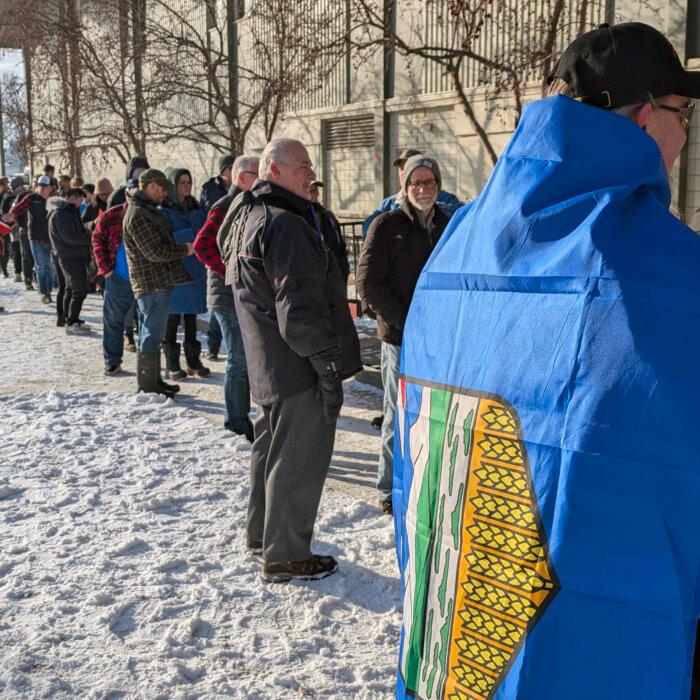
“I’m not really happy with the fact that we’re having to deal with this at all, and I’m not happy about the expense of dealing with it, but I think that’s part of the whole process,” he said.
Conservative Party Leader Pierre Poilievre has said his party will campaign this summer in Alberta to promote Canadian unity.