Alberta Aurora Chaser Captures Red and Green Showstopper Right Above Her Head

Alberta Aurora Chaser Captures Red and Green Showstopper Right Above Her Head
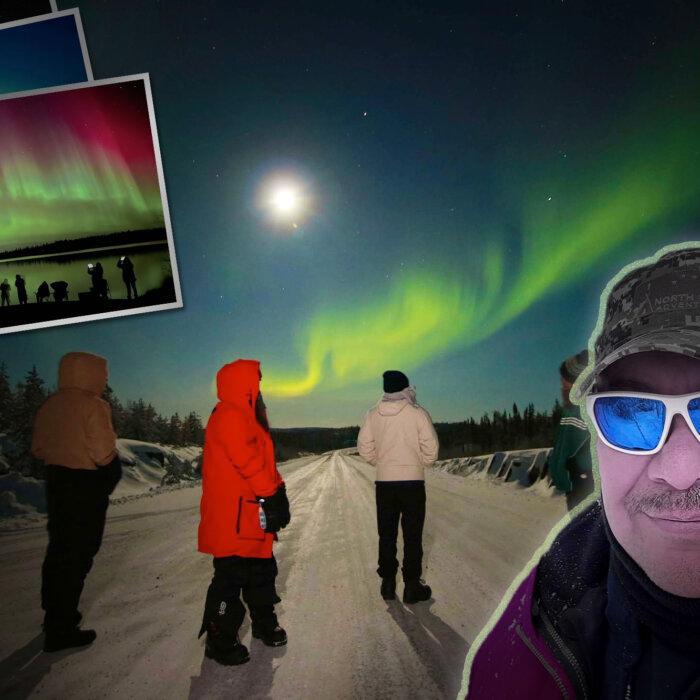
Kai Haase with some of her northern lights photos. Courtesy of Kai Hasse
Michael Wing
Michael Wing
Editor and Writer
|Updated:
0:00

Late in the evening, Kai Haase knows to watch for them. The dancing green lights will first appear faint, but they come alive after dark.

Though this night in early May was cloudier that most, Haase had  managed to snap the first vestiges of northern lights on the horizon with her phone. By midnight, they’re directly over where she is commonly found parked in her car—down at the boat launch by the river in Fort Saskatchewan, her hometown northeast of Edmonton.

Haase says the darkness can sometimes get scary. Eager for company, she posts her initial sightings to Facebook to hopefully entice her aurora-hunting friends. “Want to come join?” she captions. They usually do.

Haase, 43, a part-time receptionist and full-time mom who immigrated to Alberta from Thailand in 2014, wells with anticipation by day. Her aurora sighting app pings notifications of solar activity on her phone, indicating when the colourful geomagnetic phenomena are imminent. She watches the KP index, which tells of geomagnetic activity, and BZ index, which gives her solar wind data.
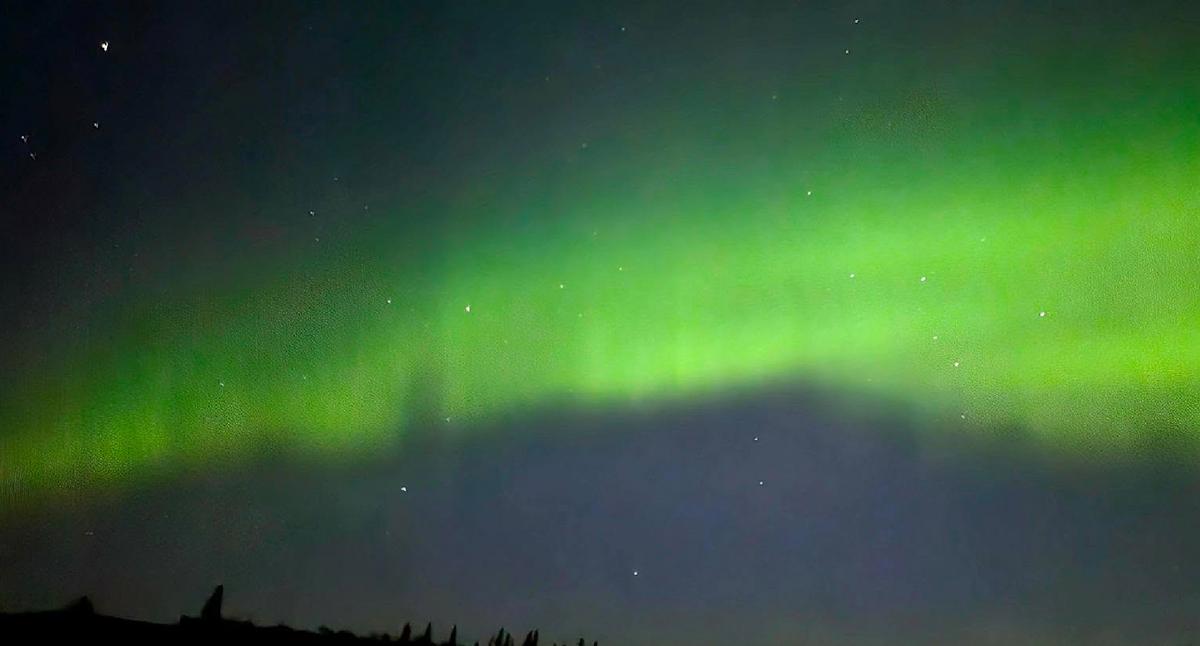
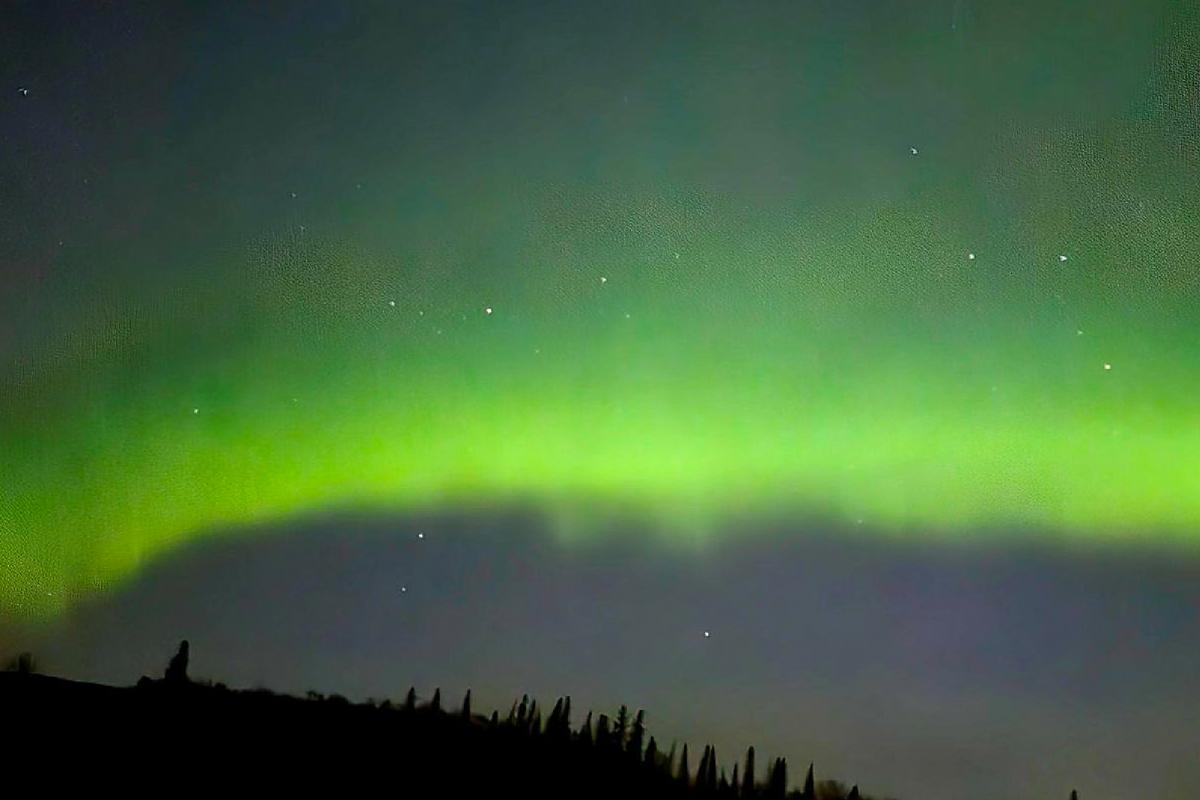
A green aurora over Fort Saskatchewan in early May. (Courtesy of Kai Haase)
A green aurora over Fort Saskatchewan in early May. Courtesy of Kai Haase
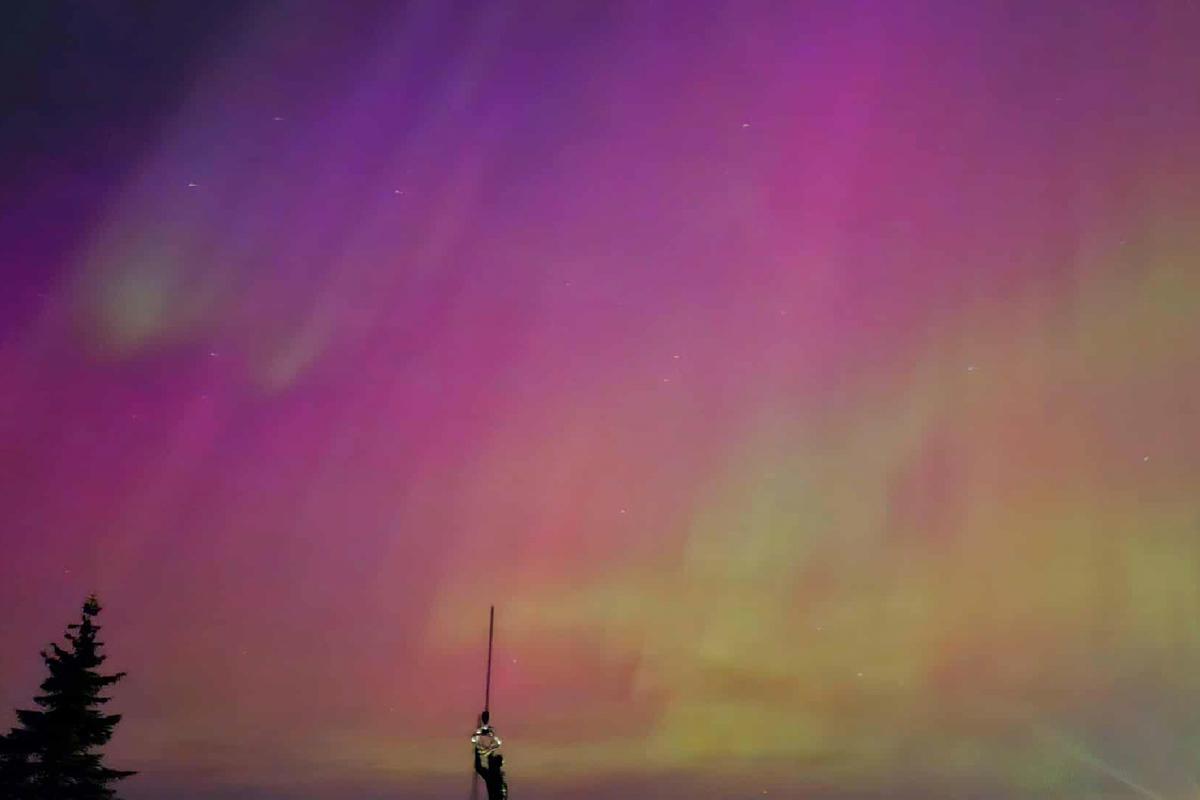
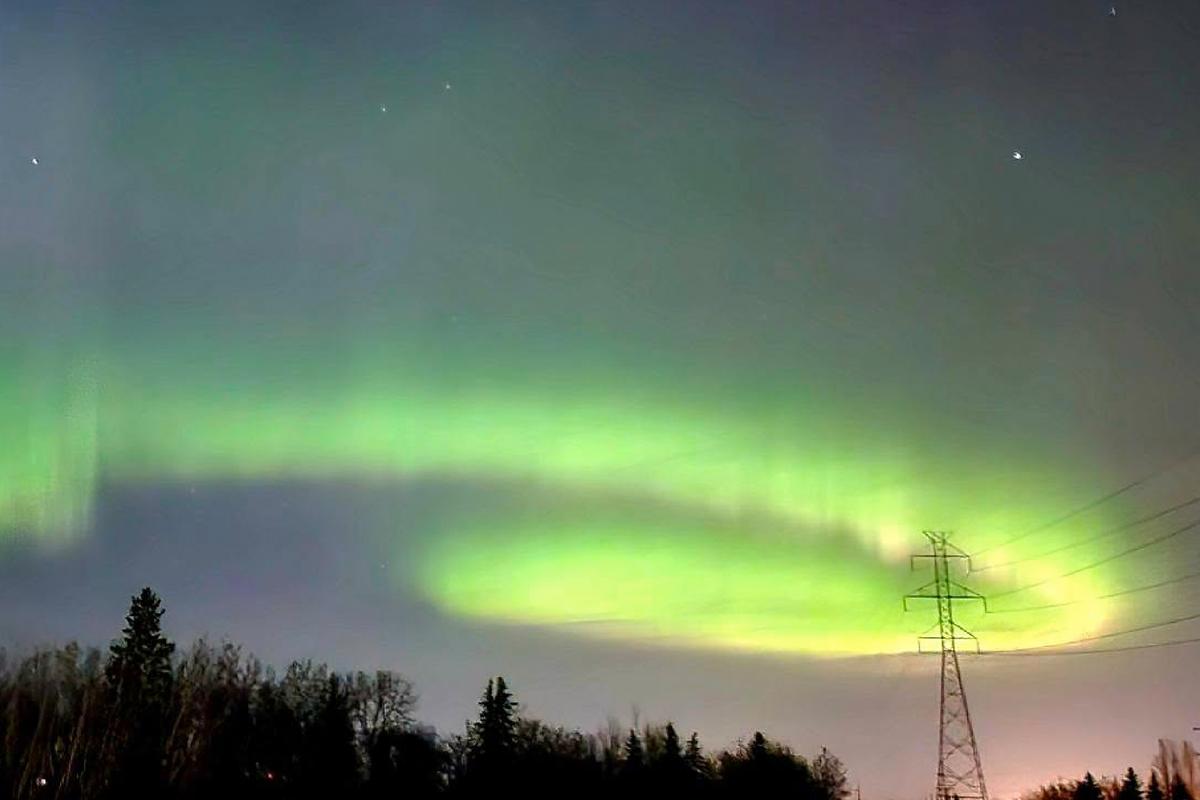
Northern lights dwarf an electricity tower by the river in Fort Saskatchewan in early May. (Courtesy of Kai Haase)
Northern lights dwarf an electricity tower by the river in Fort Saskatchewan in early May. Courtesy of Kai Haase
A green ribbon of an aurora over the West River's Edge Boat Launch in Fort Saskatchewan in early May. (Courtesy of Kai Haase)
A green ribbon of an aurora over the West River's Edge Boat Launch in Fort Saskatchewan in early May. Courtesy of Kai Haase
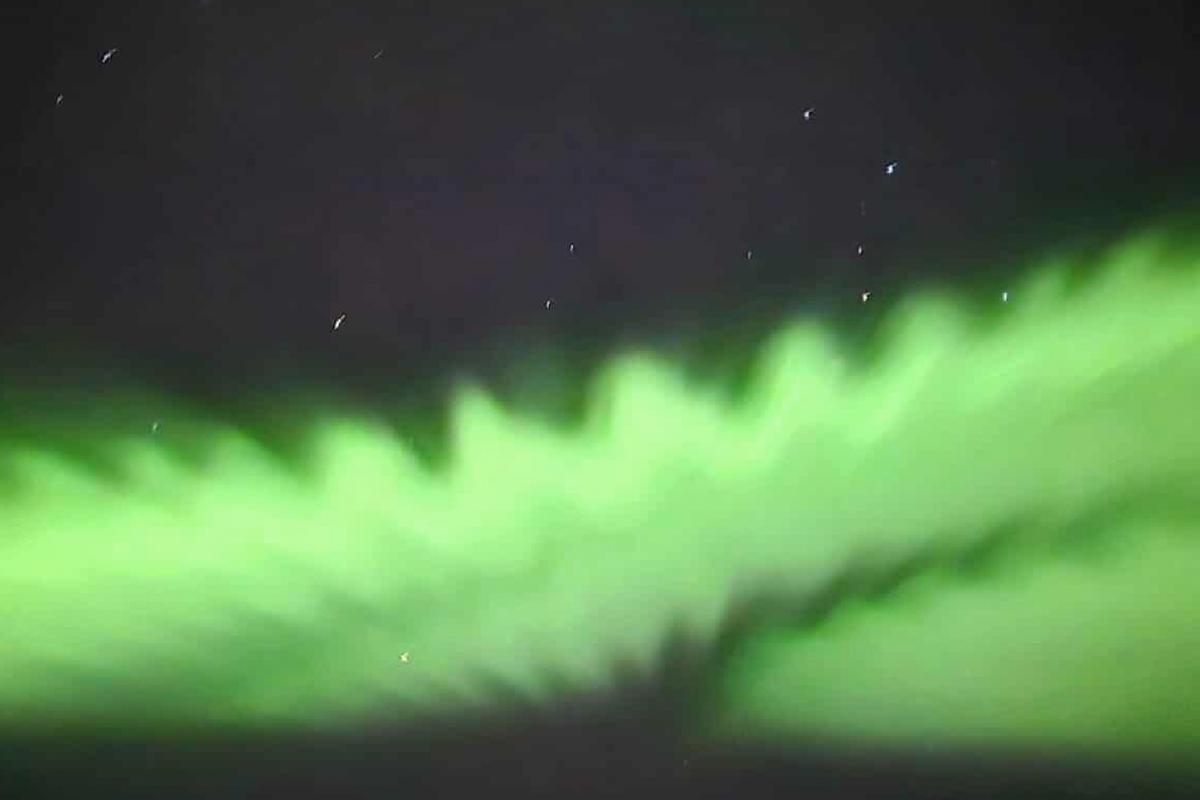
A green "lasagna" noodle of an aurora photographed over Fort Saskatchewan in October 2024. (Courtesy of Kai Haase)
A green "lasagna" noodle of an aurora photographed over Fort Saskatchewan in October 2024. Courtesy of Kai Haase

Before a promising evening, she‘ll power nap during the day because she’ll probably be out photographing auroras with her friends until well past midnight.

Back in her home country she'd never even seen an aurora.
“I don’t have chance to see this thing ever, so I would like to share these experiences with my friends and family in Thailand,” Haase told The Epoch Times. “And photography helps me enhance my creation and to use my free time in a more productive way that I enjoy.”

After about an hour of waiting on this particular night, and after Haase’s friends had arrived, the green lights were no longer just a dim ribbon on the horizon but a blazing emerald fire above their heads. She uses her smartphone to photograph them instead of an SLR. Smartphones have an uncanny ability to display auroras, she says, like no reflex camera can.
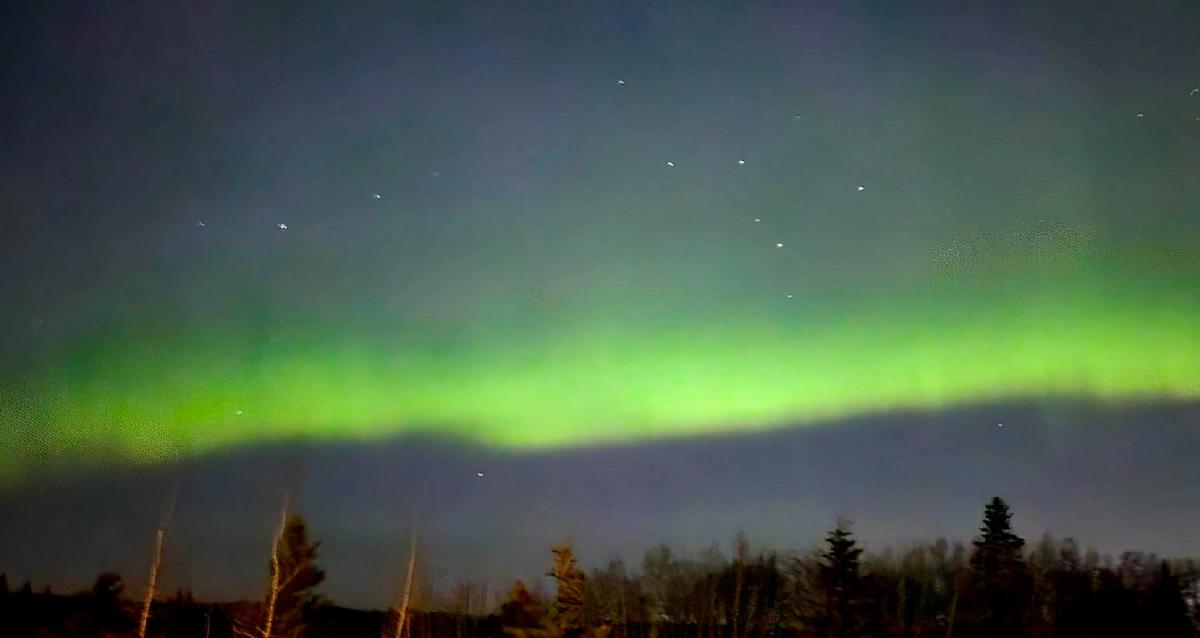
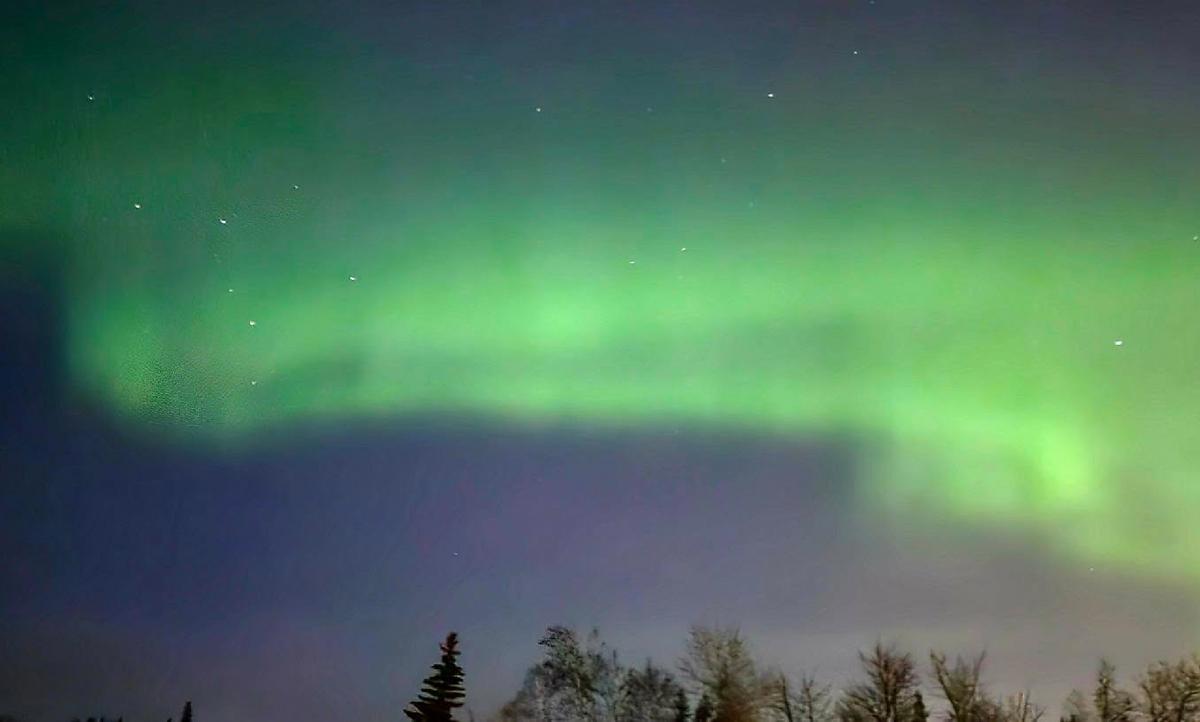
Northern lights over the West River's Edge Boat Launch in May 2025. (Courtesy of Kai Haase)
Northern lights over the West River's Edge Boat Launch in May 2025. Courtesy of Kai Haase
Kai Haase captured these northern lights over Fort Saskatchewan in early May 2025. (Courtesy of Kai Haase)
Kai Haase captured these northern lights over Fort Saskatchewan in early May 2025. Courtesy of Kai Haase
A geomagnetic storm in October 2024 resulted in spectacular northern lights over Fort Saskatchewan. (Courtesy of Kai Haase)
A geomagnetic storm in October 2024 resulted in spectacular northern lights over Fort Saskatchewan. Courtesy of Kai Haase
Haase photographed these northern lights over her home in October 2024. (Courtesy of Kai Haase)
Haase photographed these northern lights over her home in October 2024. Courtesy of Kai Haase
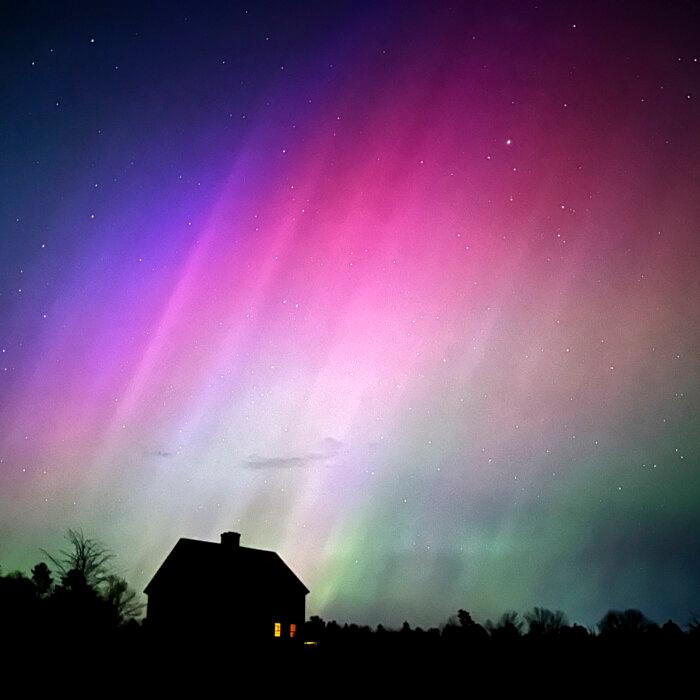
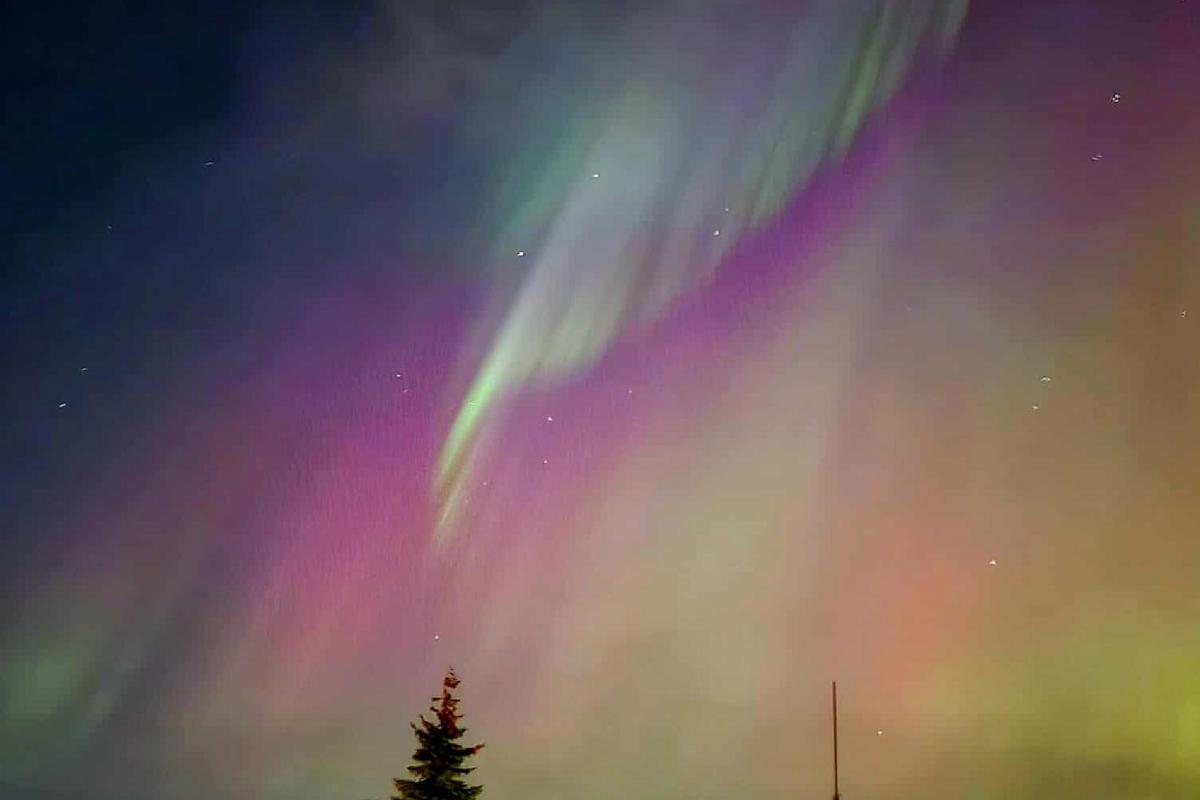
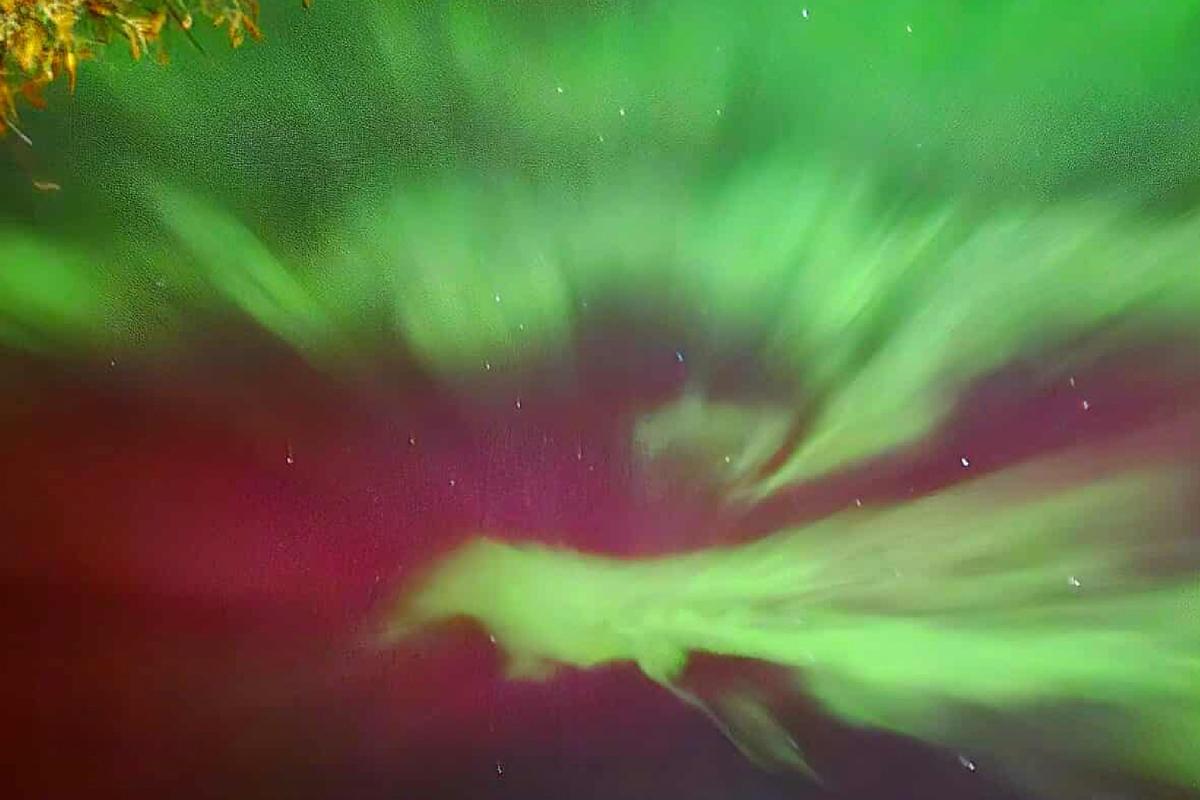
Red and green auroras over Fort Saskatchewan in October 2024. (Courtesy of Kai Haase)
Red and green auroras over Fort Saskatchewan in October 2024. Courtesy of Kai Haase
Red and purple auroras occur when charged ions interact with Earth's magnetic field at the highest altitudes where auroras occur. (Courtesy of Kai Haase)
Red and purple auroras occur when charged ions interact with Earth's magnetic field at the highest altitudes where auroras occur. Courtesy of Kai Haase
Stunning red and green auroras over Haase's home photographed in October 2024. (Courtesy of Kai Haase)
Stunning red and green auroras over Haase's home photographed in October 2024. Courtesy of Kai Haase

Sometimes, Haase’s husband, James, and their young son, Rawly, tag along (Rawly makes a good model when a foreground subject is needed, she says), but these excursions are mostly just for Haase, adding a little adventure and escape to her sometimes monotonous home life.

“I have a lot of free time and just stay home,” she said. “That’s why I try to find something to inspire me to keep going on what I do.”

That inspiration first began in 2019 when Haase browsed Fort Saskatchewan’s community Facebook page and started seeing local aurora-sighting ads. She joined in the fun at the West River’s Edge Boat Launch and has been photographing and studying auroras ever since. Soon, she found that many aurora enthusiasts online really appreciated the photos she was posting.

Late fall 2024 presented an especially marvellous spectacle of auroras, she said; a huge geomagnetic storm on the sun was the cause. Her husband, who is fascinated with astrophotography, even managed to photograph a sunspot—a telltale symptom of solar activity—which probably triggered those auroras.
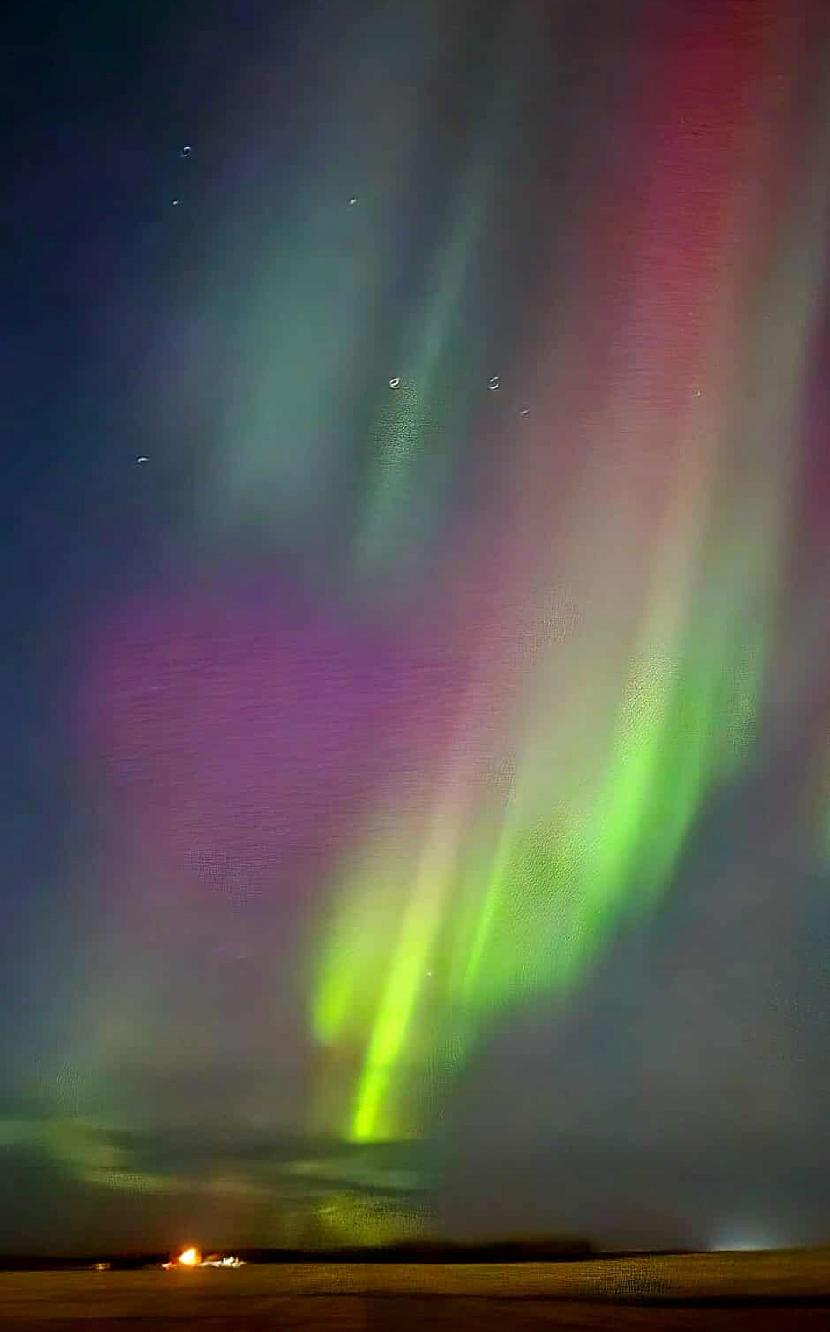
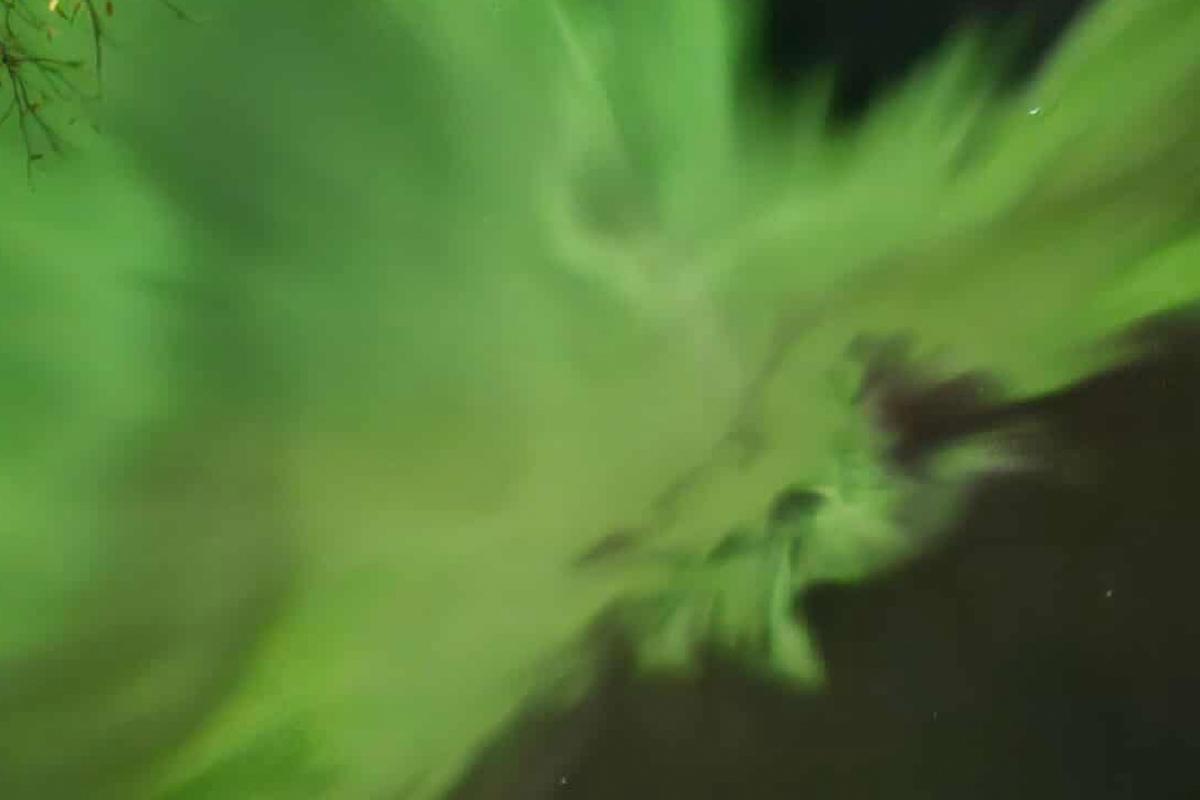
A dramatic bolt of green and purple over Fort Saskatchewan in October 2024. (Courtesy of Kai Haase)
A dramatic bolt of green and purple over Fort Saskatchewan in October 2024. Courtesy of Kai Haase
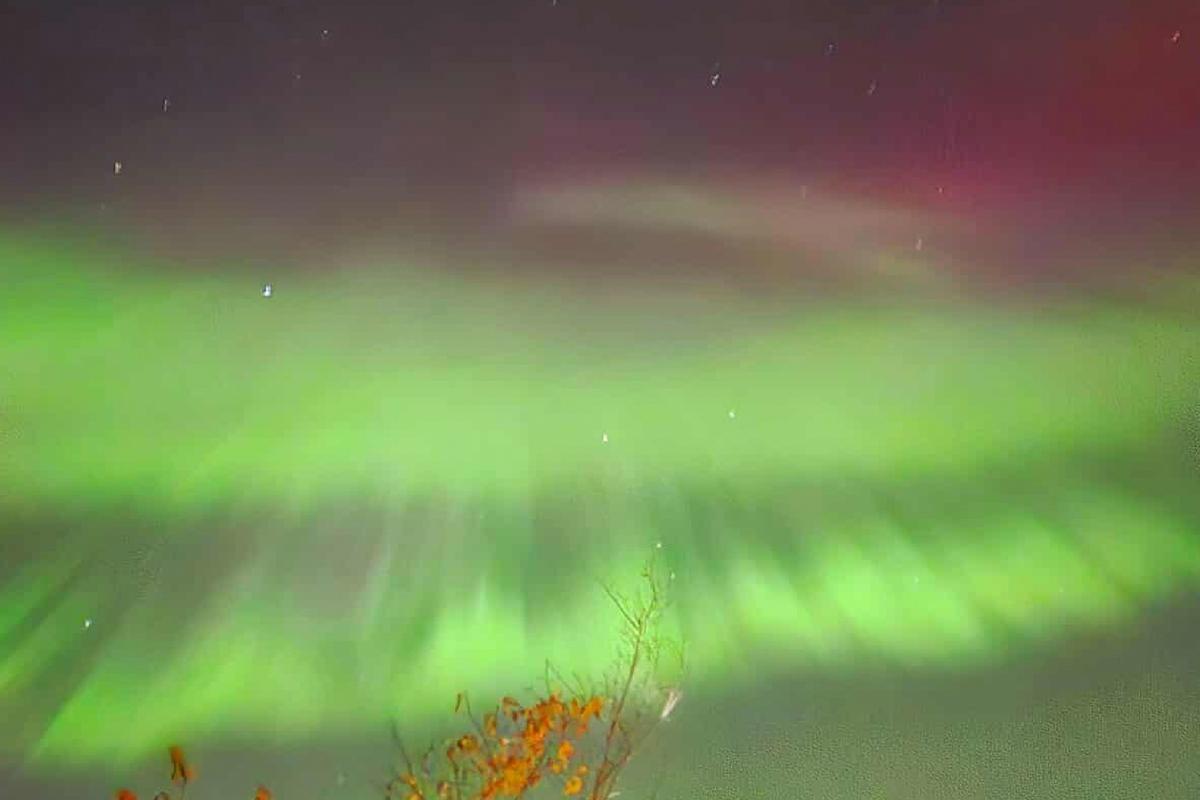
Bright green and pink auroras over Haase's home in Fort Saskatchewan. (Courtesy of Kai Haase)
Bright green and pink auroras over Haase's home in Fort Saskatchewan. Courtesy of Kai Haase

Solar wind from magnetic storms, she explains, travels to Earth and interacts with the planet’s magnetic field. This causes a concentration of charged ion particles that gather at Earth’s magnetic polar regions. And when those particles interact with different gasses in the atmosphere, hundreds of kilometres above the surface, they produce various colours depending on their altitude.

“What I know is, in the lower level [of the atmosphere] they produce the green colour, and when it goes above, nitrogen produces more colours,” Haase said.
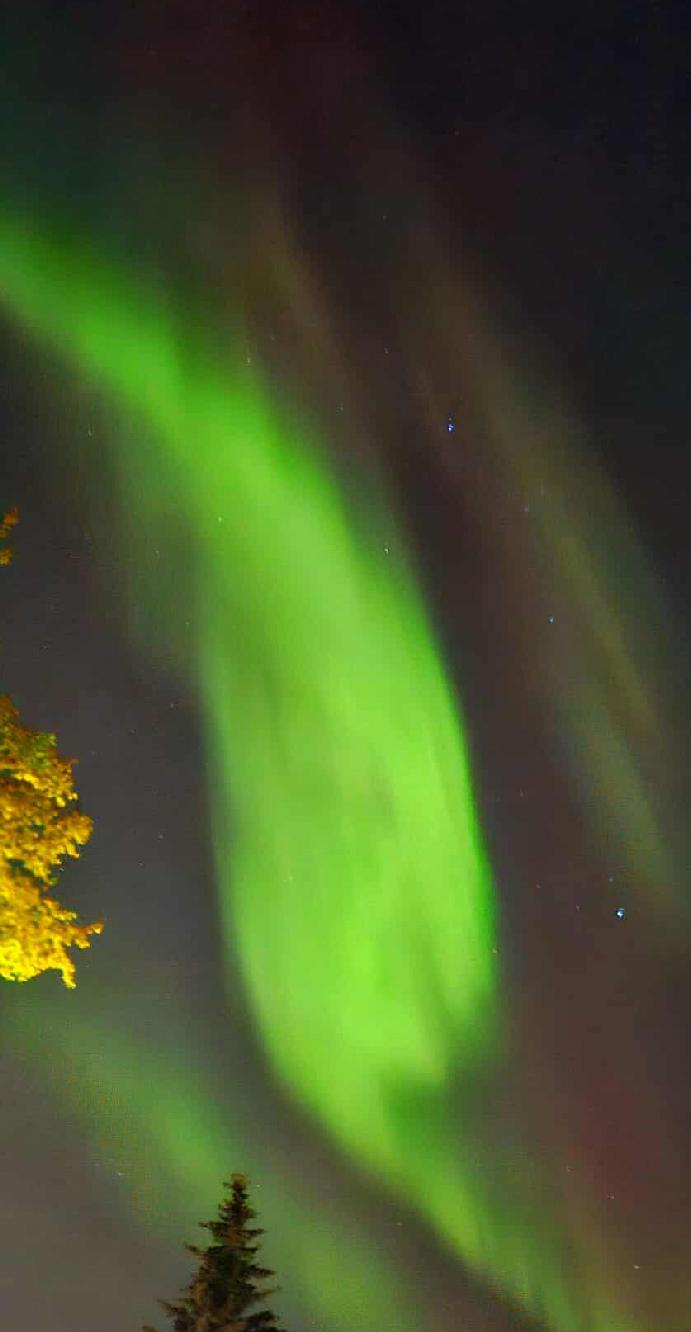
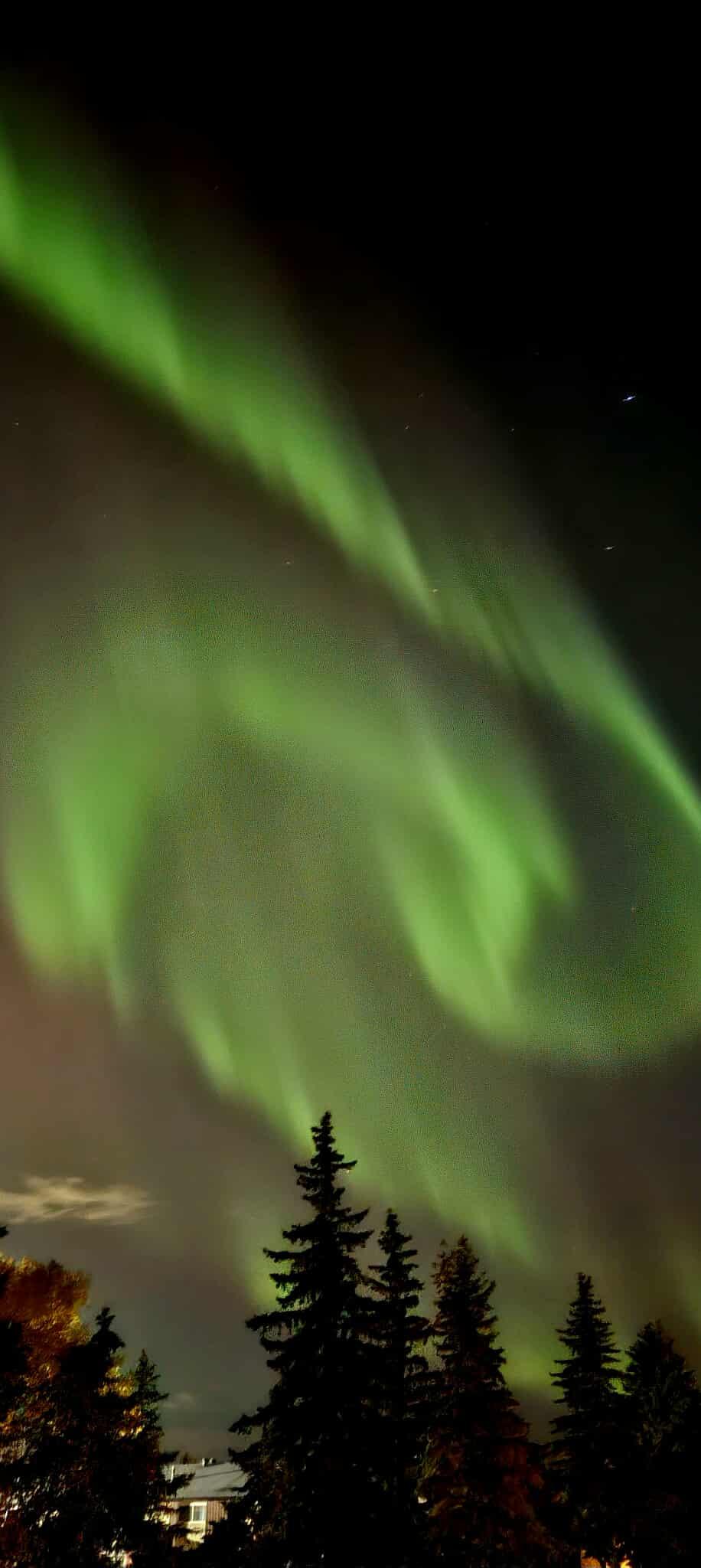
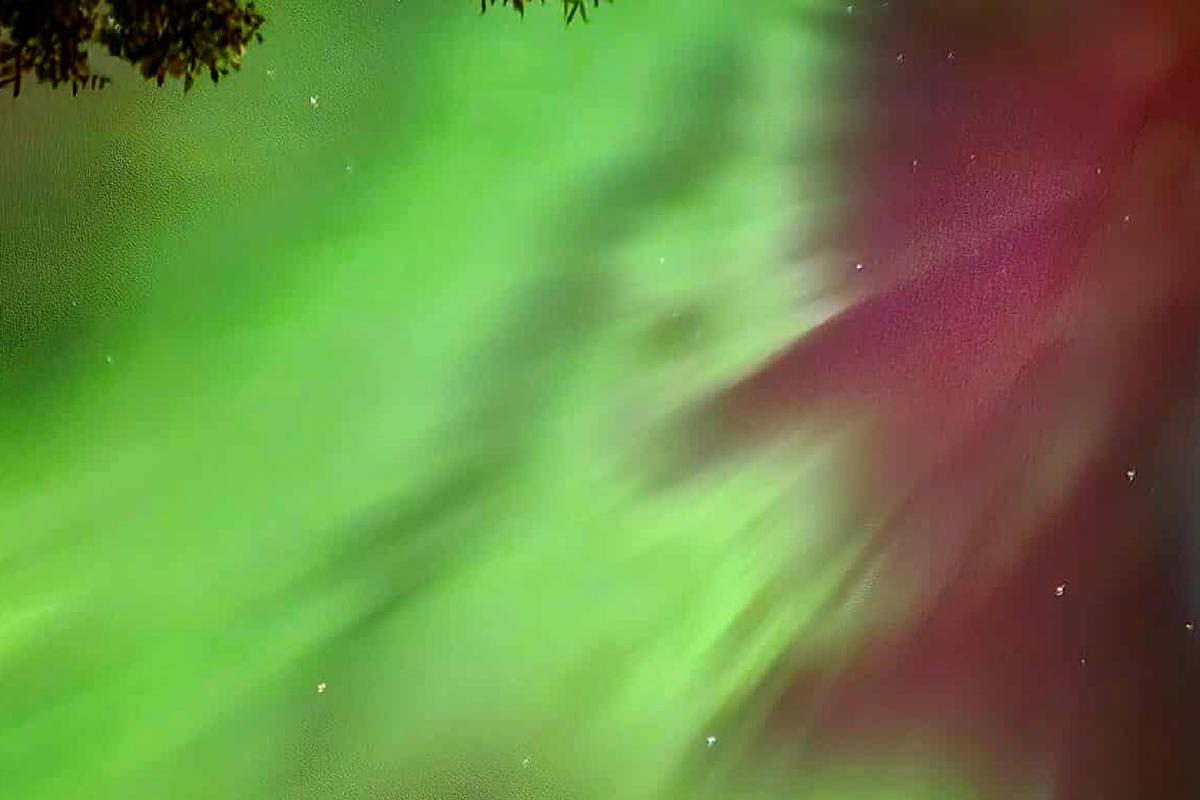
A bright green ribbon of an aurora photographed by Haase in October 2024. (Courtesy of Kai Haase)
A bright green ribbon of an aurora photographed by Haase in October 2024. Courtesy of Kai Haase
Twisting ribbons of northern lights over Haase's home in October 2024. (Courtesy of Kai Haase)
Twisting ribbons of northern lights over Haase's home in October 2024. Courtesy of Kai Haase

Green is the most common colour in auroras, but during particularly strong storms they can get downright extravagant in their rainbow display.

Not only Haase, but the global aurora community watched in awe last October as aurora spectacles unfolded. From the boat launch, she photographed green as well as red, yellow, purple, and even blue lights overhead. Some of the auroras were so intense they could be seen within town limits—even over Haase’s front yard.

“It’s like, everywhere,” she said. “I can just sit there all night until it’s done.”

Google LogoMark Us Preferred on Google
Michael Wing
Michael Wing
Editor and Writer
Michael Wing is a writer and editor based in Calgary, Canada, where he was born and educated in the arts. He writes mainly on culture, human interest, and trending news.