Air Canada flight attendants could walk out as early as Aug. 16 after overwhelmingly voting to support their union if it decides to strike.
The Canadian Union of Public Employees (CUPE) announced the results of the vote to authorize strike action that ran from July 28 to Aug. 5, saying that 99.7 percent of Air Canada flight attendants who are union members voted in favor.
According to the union, negotiations with the airline broke down in July, leading to the vote. According to CUPE’s Air Canada chapter, entry-level flight attendants’ salaries have only gone up by 10 percent in the past 25 years, falling far below inflation, which has gone up around 169 percent in the same time period.
“While the airline continues to slap junk fees on flyers and gouge the public, they’re also exploiting their own employees by severely underpaying flight attendants or refusing to pay them at all for safety-critical aspects of our jobs,” Lesosky said. “Air Canada has raked billions in profits in the past few years. They can afford to pay us fairly without raising costs for the public.”
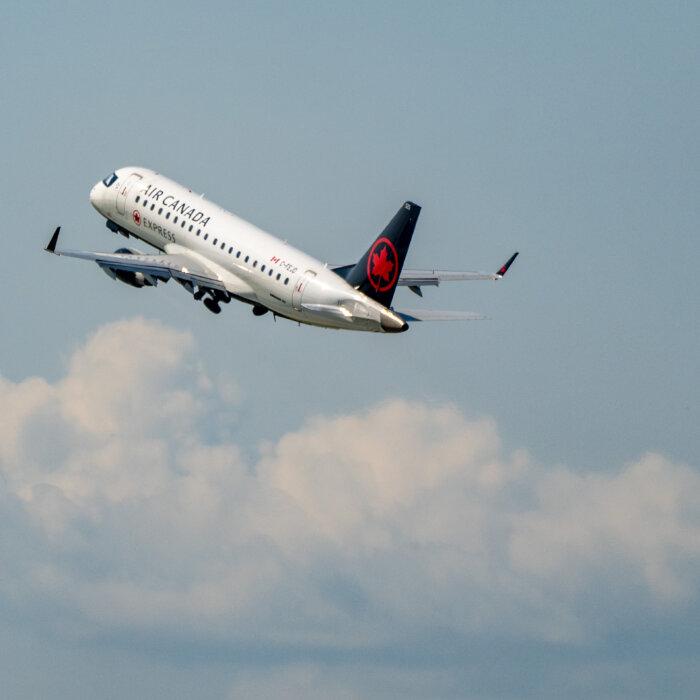
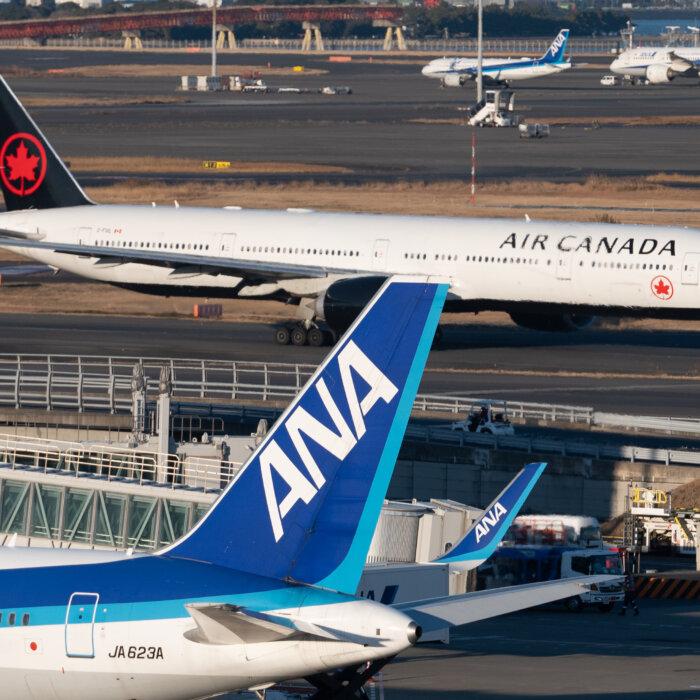
“Air Canada remains committed to the bargaining process and is eager to resume discussions, which CUPE had suspended during the vote,” the airline said in an Aug. 5 statement, adding that “Air Canada is determined to reach a fair and equitable collective agreement that recognizes the contributions of its flight attendants and supports the competitiveness and long-term growth of the company.”
Air Canada said it is confident “there is more than enough time” for an agreement to be made and avoid the disruption of travellers’ plans, noting that flight attendants who work for Jazz, PAL, and Air Canada Express will not be impacted by the negotiations or the strike vote.
The Canadian Press contributed to this report.