Federal Jobs Minister Patty Hajdu has asked the union representing Air Canada’s flight attendants to respond to the airline’s request for binding arbitration—days before the airline could issue a complete stoppage of flights.
Hajdu says Air Canada submitted a request that she refer the two parties to binding arbitration under Section 107 of the Canada Labour Code.
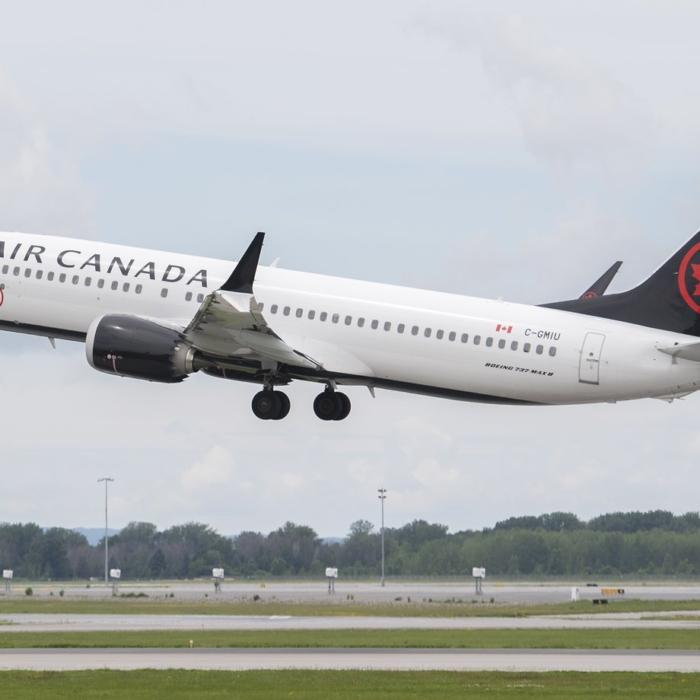
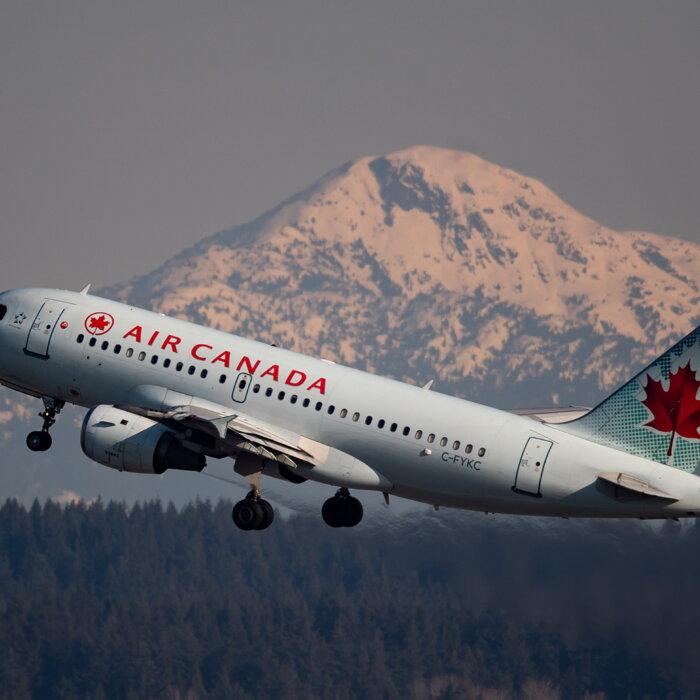
Hajdu’s statement comes on the first day of Air Canada’s “phased wind down” of its operations, including flight cancellations, in response to a 72-hour strike notice from the union representing its flight attendants. The airline said it would begin cancelling flights on Aug. 14, with more cancelled on Aug. 15, and a complete stoppage of flights by Air Canada and Air Canada Rouge on Aug. 16.
Hajdu says she has met with both Air Canada and the Canadian Union of Public Employees (CUPE) throughout the bargaining process, and has made it clear that “deals that are made at the bargaining table are the best ones.”
Hajdu’s statement comes a day after Air Canada issued a 72-hour lockout notice after it received the strike notice. Hajdu called this a “disappointing development” for Canadians relying on the airline’s services.
“I understand this dispute is causing a great deal of frustration and anxiety to Canadians who are travelling or worrying about how they will get home,” Hajdu said. “I urge both parties to put their differences aside, come back to the bargaining table and get this done now for the many travellers who are counting on you.”
Following its declined offer, Air Canada said it requested “government-directed” arbitration as the airline viewed this as the “only certain avenue to bring closure to bargaining and mitigate the impact on travellers, business and the Canadian economy.”
Under section 107 of the Canada Labour Code, the federal government could use its powers to direct binding arbitration before a work stoppage comes into effect. Air Canada says there is “no prospect of a resolution in the foreseeable future,” despite its bargaining efforts.
The union said it tabled its most recent proposal to the airline on Aug. 12 at 9 p.m., just before the strike and lockout notices were issued. However, the airline has yet to respond despite the union awaiting a counter-offer at the bargaining table “ever since,” CUPE said.
“With precious hours to spare before Air Canada’s lockout notice takes effect on August 16 at 1:30 a.m. ET, Air Canada owes it to their employees, their passengers, and the Canadian public to take this process seriously,” the union said.
The Epoch Times contacted CUPE for comment on Air Canada’s request for binding arbitration, but did not hear back by publication time.