The backstory to the July full moon brims with summer folklore. While our colonial ancestors talked about corn being “knee-high” in July, Native American tribes once drew from seasonal signs, such as the ripening of strawberries, and these cultures crafted myriad moon names. Recorded by early explorers, one moniker in July stuck—we still call it the Buck Moon.
When and Where to View the Buck Moon
In 2025, the full Buck Moon will rise on July 10 at 4:37 p.m. Eastern Time, and although below the horizon at that time for viewers in the Western Hemisphere, it will still loom very full upon rising toward the southeast around sundown. It will shine all night long, weather permitting.You'll need to look low toward the horizon to find it. For viewers in the Northern Hemisphere, July is when nights are near their shortest annually, and so the moon’s arc is, likewise, near its lowest. This proximity to the horizon can cause the lunar disk to glow a rust-red due to sunlight being filtered through more of Earth’s atmosphere. It’s akin to how sunsets glow pinkish, and that glow is cast upon the moon’s surface.
The moon may also appear larger than usual when laying low, as it dwarfs what we consider big objects like buildings or trees. This is called the “moon illusion.”
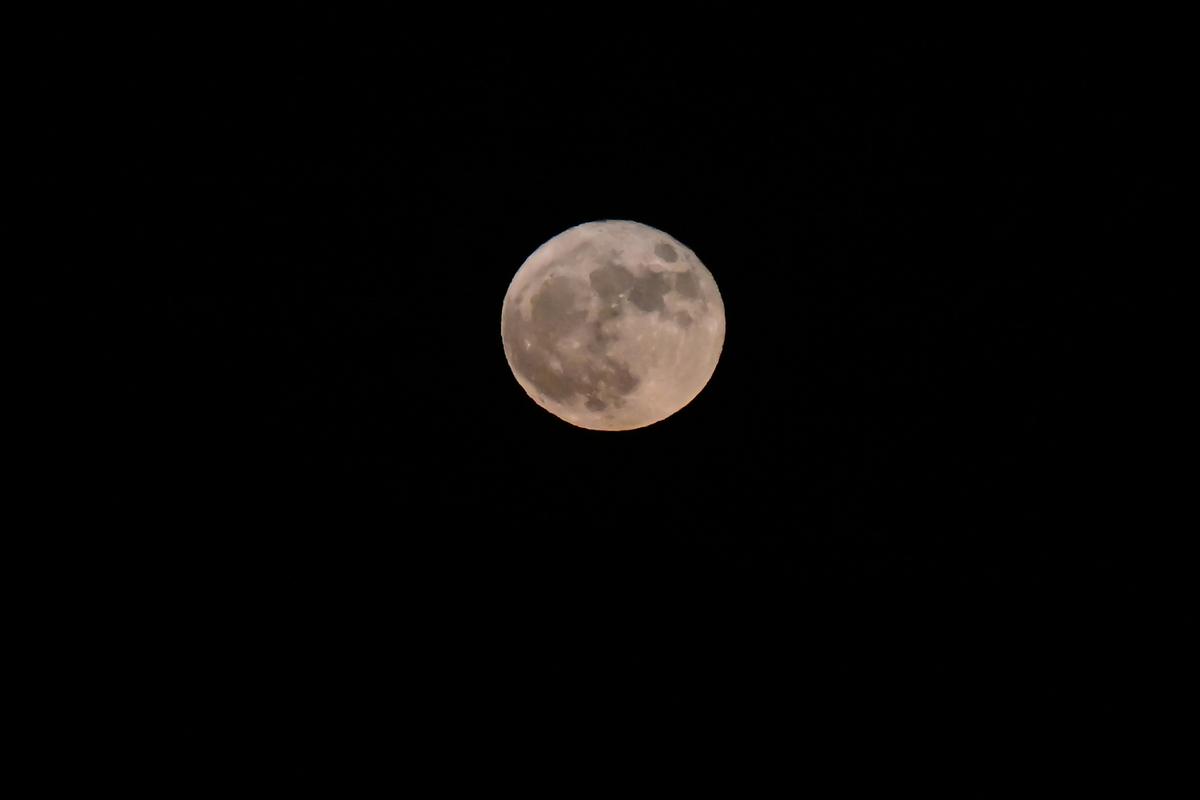
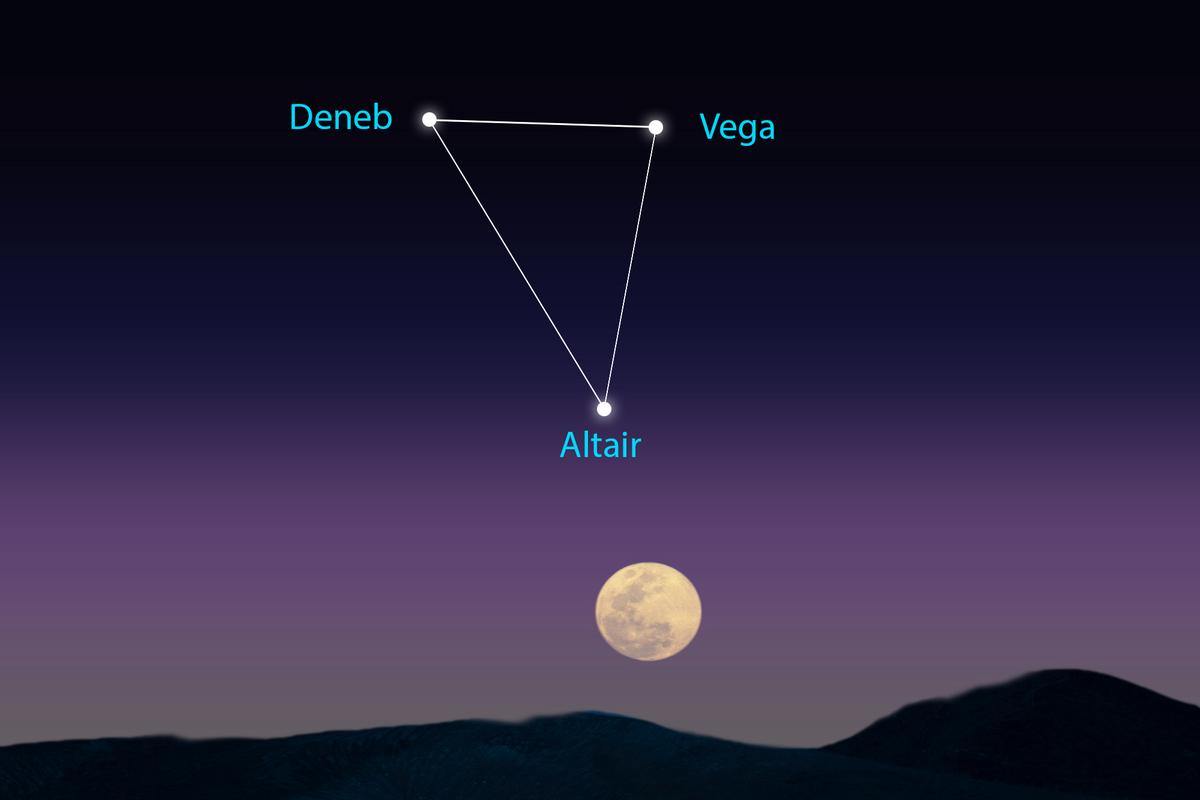
From year to year, the full Buck Moon shares time between the zodiac constellations Capricornus and Sagittarius (the latter being its usual haunt), which is where it will fall next month. Astronomers have noted that it will also hide Antares, the brightest star in Scorpio, a few days before reaching fullness, whereupon it will lie below the Summer Triangle star group.
The full moon can easily be viewed with the naked eye (it won’t harm the eyes), though binoculars could enhance your view of shadows cast on the cratery lunar surface.
Folklore Tied to the Buck Moon
Speaking of the backstory to the full Buck Moon, biology adds a layer of interest, helping to explain its name. Starting in late spring, male deer begin to grow antlers at the blistering rate of a quarter-inch per day as a result of extended hours of daylight triggering hormones. When July rolls around, buck antlers reach an impressive size, displaying full velvet. These stop growing by July’s end and hardening sets in.Considered the fastest-growing bones on Earth, buck antlers fall off each fall mating season but then grow back to be larger and more impressive the next spring.

But the folklore extends beyond colonial America. July has traditionally been tied to the harvesting of hay and making of mead, leading Anglo-Saxons to call it the “Hay Moon” and Celts the “Mead Moon.” The Chinese had a haunting name for it, the “Hungry Ghost Moon.” In the Southern Hemisphere, where it’s winter in July, a whole new host of names appeared: “Wolf Moon,” “Ice Moon,” and “Old Moon.”
A Few More July Moon Facts
On July 16, 1969, Apollo 11 launched from Cape Kennedy, Florida, and sent astronauts to the moon. Four days later, the moon landings were broadcast on public television, featuring Neil Armstrong as the first man on the moon.On July 31, 1999, astrogeologist Eugene Shoemaker’s ashes were deposited on the moon.