Invisible by day and making only occasional cameos by night, the planets are typically sporadic in their appearances over Earth. But in early August, six of them—seven if we include Earth—will align in a small sector of the sky before dawn.
Tips For Viewing The ‘Planet Parade’
About an hour before dawn is the only time to sight all six aligned planets together. As Mercury rises with the sun, it will join and complete the parade just before sunrise. From east to west, Mercury, Jupiter, Venus, Uranus, Saturn, and Neptune will line up within a 144-degree sky sector, though only four will be visible to the naked eye. Uranus and Neptune are notoriously dim. However, optical aids such as binoculars or a telescope can overcome this issue.The viewing window will be short-lived, as the rising sun blots out Mercury as twilight gives way to dawn.
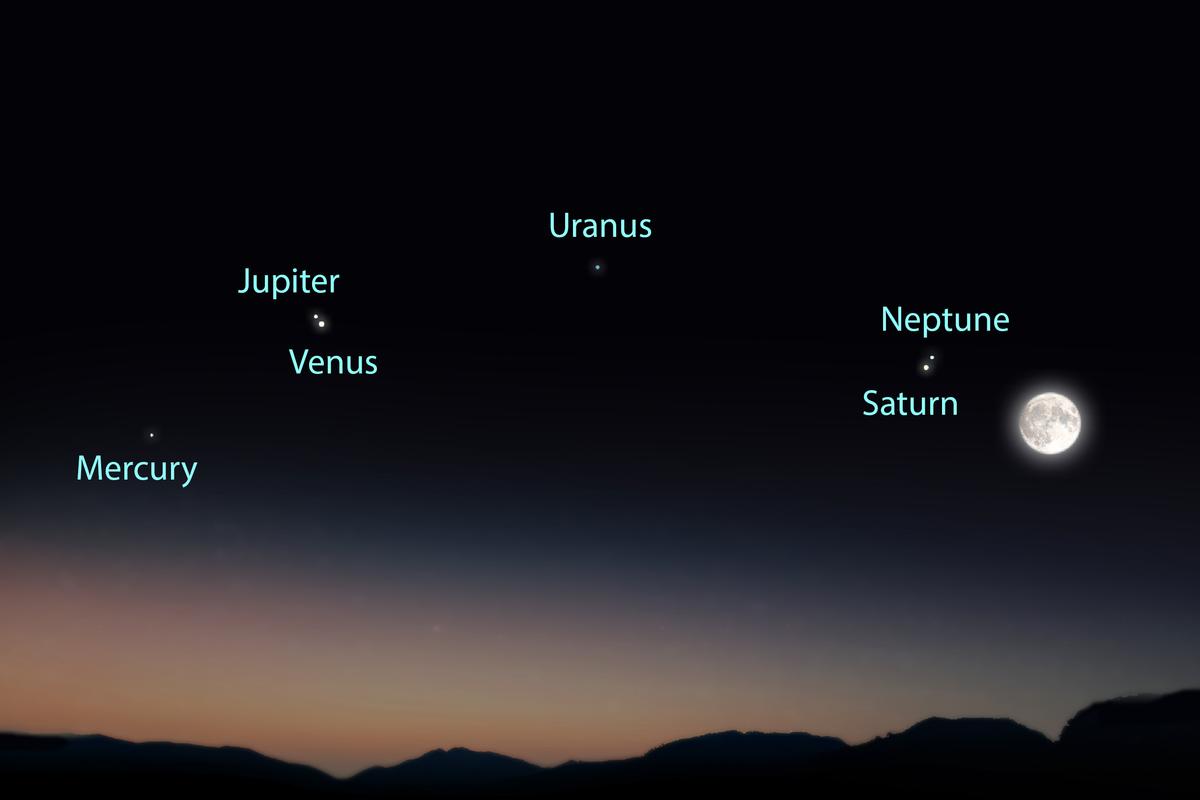
The one big disadvantage for planet-spotting in early August 2025 is the moon. It becomes full on Aug. 9 and will loom, round and bright, to the right of Saturn on planetary parade night, washing out some of the drama.
What Is a Planetary Alignment?
This event will be, technically speaking, a large planetary alignment—a semi-rare phenomenon worth watching. Five or six planets must line up for a large alignment, while four are considered a small alignment and three make a mini alignment. When all the planets appear close together (sometimes including Pluto), that’s a great planetary alignment. (And yes, you can count Earth in the formation.)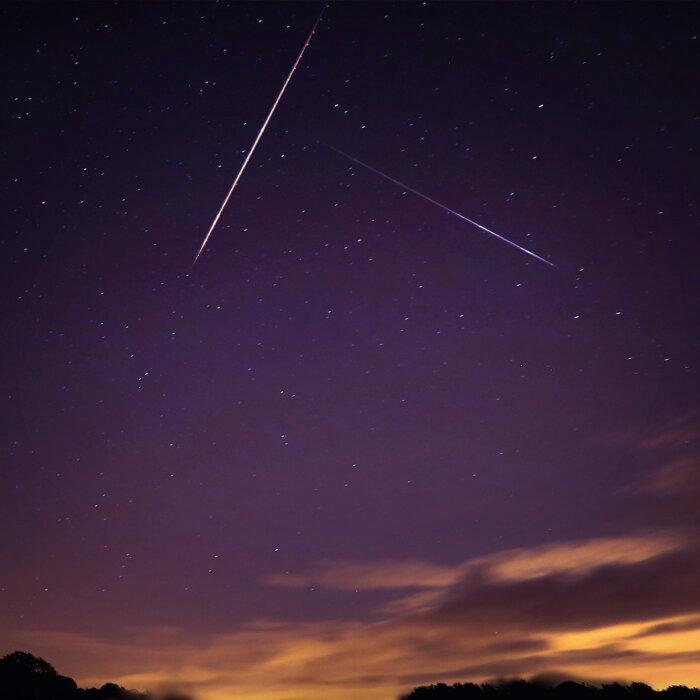
It’s impossible for the planets to ever line up in a truly straight line in space because their orbits aren’t parallel with each other and alignment depends on where you’re observing from, but from Earth, they can appear straight to the human eye.
So how do astronomers define a “planetary alignment” then?
More Astronomical Spectacles in Store
Adding to the August spectacle, Venus and Jupiter will close to within one degree of each other on Aug. 12, which is called a planetary conjunction (the planets don’t actually have to overlap to form a conjunction). And as if that weren’t enough, the year’s best meteor shower, the Perseids, will peak that same night, raining down at a rate of about one meteor per minute. Definitely a night for avid astronomers.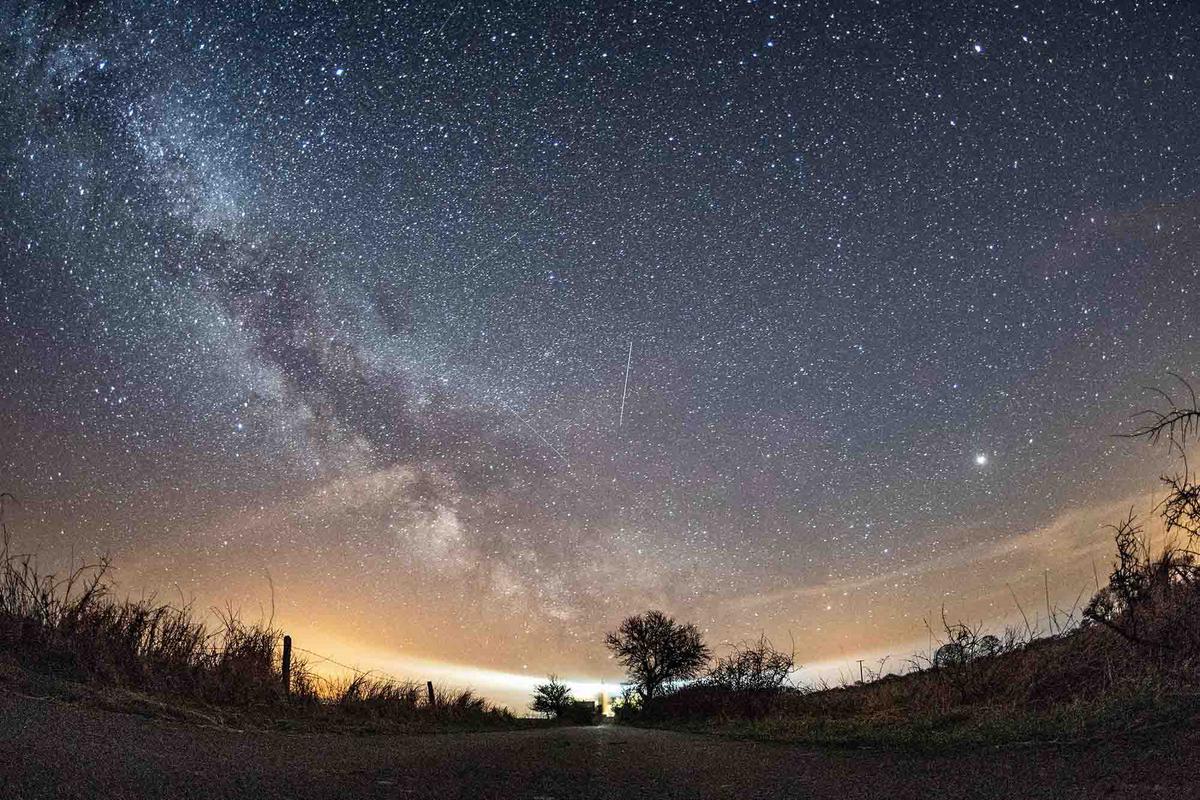
Large planetary alignments aren’t ultra rare, but neither do they happen every day. The next one won’t appear until late February 2026 when the same lineup—Mercury, Venus, Neptune, Saturn, Uranus, and Jupiter—regroup for another parade.