The Albanese government has advanced three proposed offshore wind projects off the coast of Bunbury, Western Australia, offering preliminary feasibility licences.
The projects include the Westward Wind and Bunbury Offshore Wind South in the southern part of the Bunbury zone. A third project, the Bunbury Offshore Wind Farm in the north, is still under consultation.
Together, the three ventures are expected to generate up to four gigawatts of renewable power—estimated to supply around 2.7 million homes with energy.
The government claims the projects will create more than 2,500 construction jobs and 1,000 ongoing operational roles, ranging from engineers and divers to project managers and administrators.
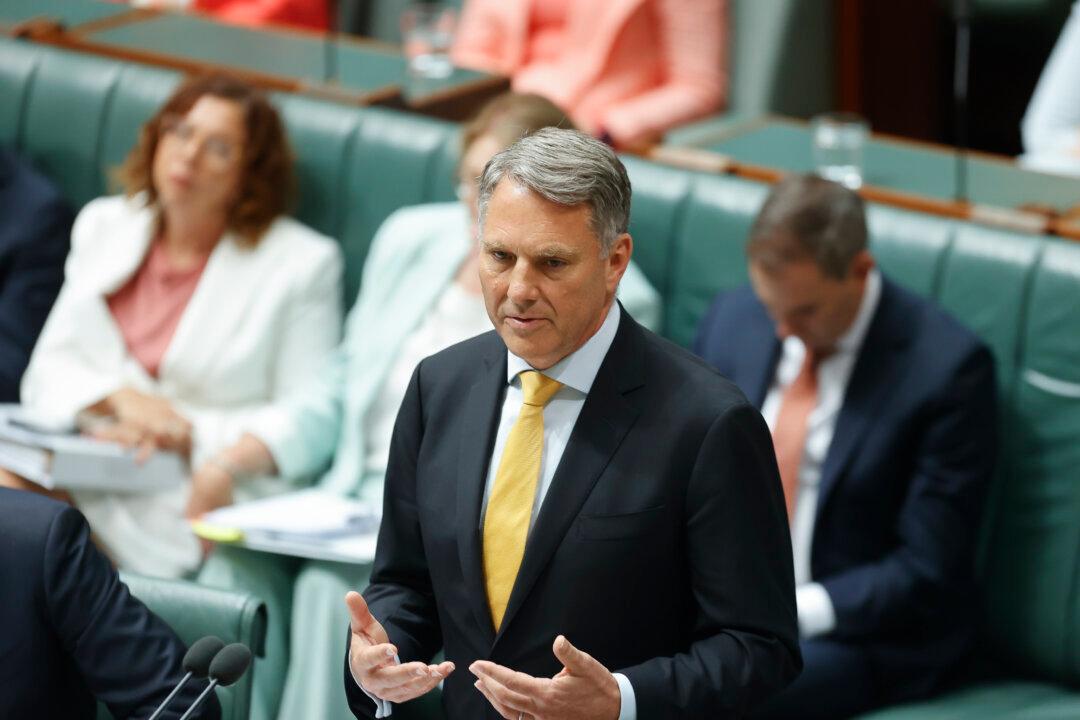
“Western Australia needs some 50 gigawatts of additional generation by 2042, and we’re getting to work making sure that we deliver the new clean energy, and the good jobs, the West needs,” said Energy Minister Chris Bowen.
Offshore wind farms rely on undersea cables to connect large turbines at sea to the onshore grid, tapping into stronger winds compared to those on land.
So far, feasibility licences have been issued for projects totalling 24.2 gigawatts of capacity, with preliminary offers for another four gigawatts. The Bunbury approvals join 12 projects already underway on the east coast.

Setback in NSW as Equinor Withdraws
The Bunbury announcement comes as New South Wales faces fresh uncertainty over its offshore wind ambitions.Last week, Norwegian energy company Equinor confirmed it would withdraw from the Novocastrian Offshore Wind Farm, the state’s most advanced proposal.
The federal government had granted a feasibility licence earlier this year to a consortium led by Equinor and its Australian partner Oceanex.
Valued at $10 billion, the project was expected to generate 2,000 megawatts of capacity, use floating foundation technology across a 500-square-kilometre area off Newcastle and Port Stephens, and create more than 3,000 construction jobs.
But Equinor has now exited, citing a broader retreat from renewable investments across a few countries.
“Equinor is withdrawing from renewable investment around the world at the moment, from Vietnam, Portugal and Spain, so that’s disappointing,” Bowen told ABC Radio Newcastle on Aug. 22.
He said Oceanex lacked the capacity to advance the project alone.
“They need a partner, and frankly an international partner,” he added.
The government has sought to address concerns by providing new guidance for licences in declared offshore zones.
Another Offshore Project Collapses
The withdrawal followed the collapse of the only other NSW offshore project, in the Illawarra zone, earlier this year.A major wind farm proposal in the Illawarra region south of Sydney has also been scrapped, following the withdrawal of developer BlueFloat Energy in June.
The project, which would have stretched from Wombarra to Kiama across much of the Wollongong coastline, faced heavy community opposition.
About 65 percent of submissions during consultation opposed the development, and local group Responsible Future Illawarra claimed the decision as a community win.
Debate Over Renewables Continues
The failure of the wind farm projects is not the only channel of opposition.In June 2024, the National Rally Against Reckless Renewables (NRARR) organised a major protest in Canberra, calling for an immediate halt to wind, solar and hydro projects, as well as their associated transmission lines.
NRARR Chair Grant Piper demanded that Australia lift its long-standing ban on nuclear energy, which he described as an “archaic.”
“The current ban is archaic, restraining Australia from achieving a strong reliable energy future,” the group stated on its website.
Piper accused the renewables sector of prioritising profits over the environment.
“They just seem to be doing it for the vested interests of the people that are invested in these businesses and most of them are foreign-owned or predominately foreign-owned,” he said.