Two U.S. service members have been killed, and another remains missing following Iranian strikes on Jordan on July 17, the U.S. Central Command (CENTCOM) has announced.
CENTCOM said U.S. and partner forces were defending against a set of Iranian ballistic missile and drone attacks when the two U.S. troops were killed. The military is withholding the names of the deceased pending notification of their next of kin.
Four more U.S. troops were injured and medically evacuated to hospitals in Jordan, and have since been discharged. Other personnel sustained lesser injuries as a result of the Iranian strikes.
With these latest fatalities, 16 U.S. troops have been killed since the start of the conflict with Iran on Feb. 28.
More than 400 other U.S. troops have sustained injuries in the conflict.
“Godspeed, heroes,” Secretary of War Pete Hegseth wrote in an X post acknowledging those killed in the latest Iranian attacks.
“Their sacrifice only stiffens our resolve.”
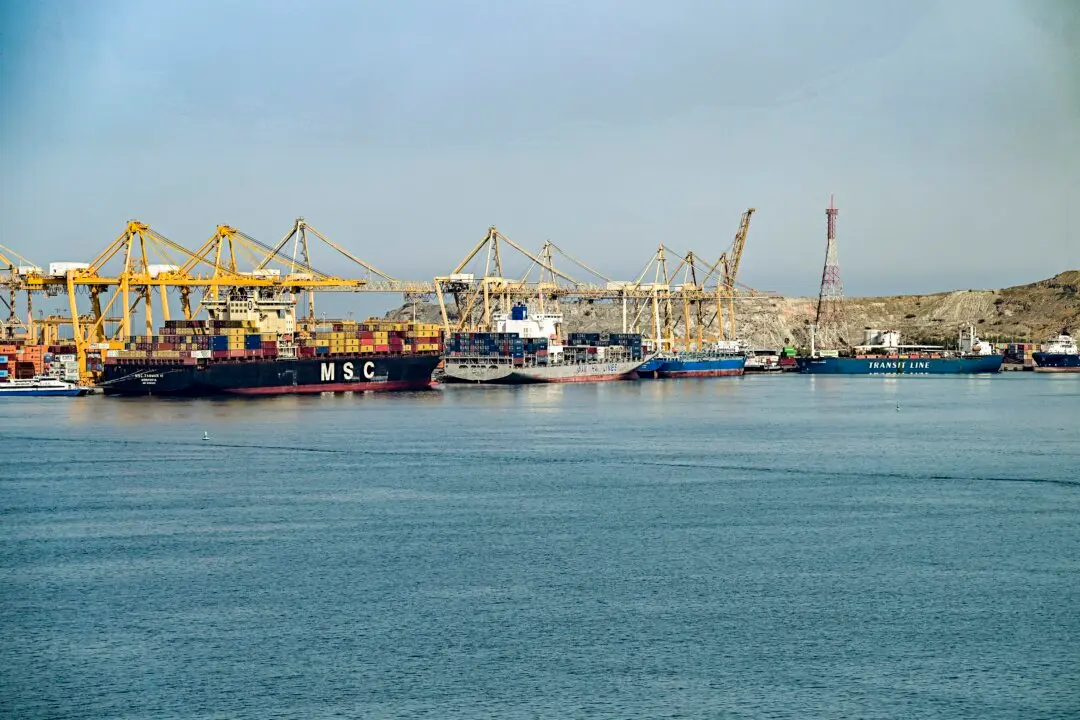
Washington and Tehran entered into a ceasefire in April and reached a memorandum of understanding to resolve the conflict in June. The truce collapsed as Iranian forces repeatedly targeted commercial vessels in the Strait of Hormuz, which they said were attempting to transit the maritime passage through unauthorized routes.
On July 11, Iranian forces struck a commercial vessel and declared the Strait of Hormuz closed “until the United States ends its intervention in the region.”
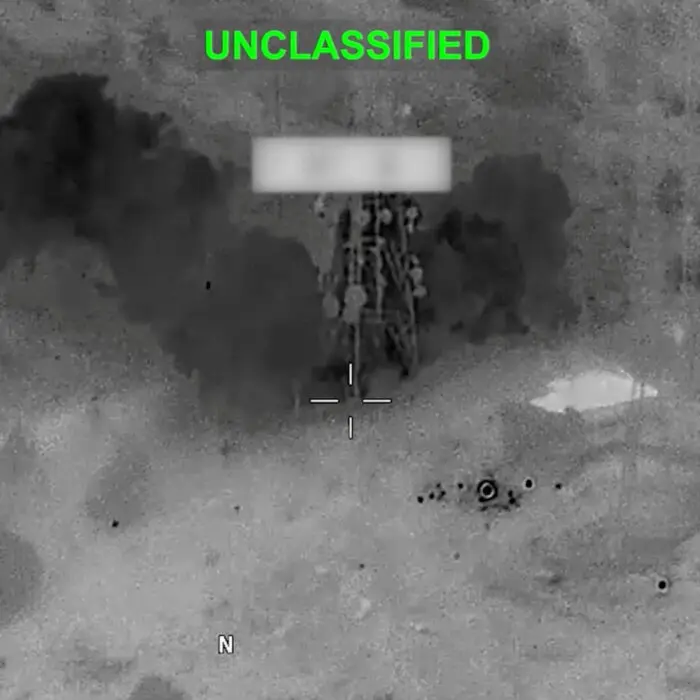
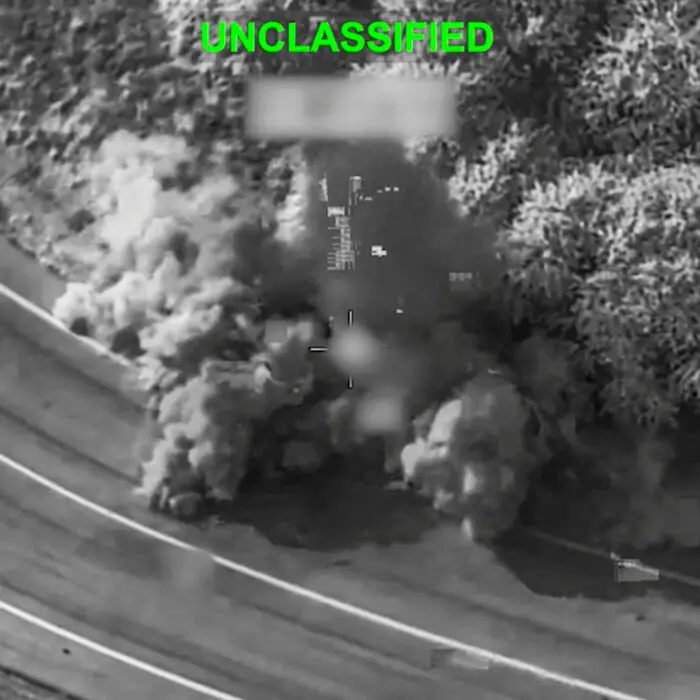
President Donald Trump responded to that closure order on July 11 by directing U.S. forces to resume attacks on Iran. U.S. forces have struck Iranian targets on a daily basis since then, with recent attacks targeting Iranian bridges, power plants, and other infrastructure.
Iranian forces have responded to the recent U.S. attacks by launching drones and missiles at neighboring countries hosting U.S. forces.
On Saturday, Iranian Energy Minister Abbas Aliabadi said a recent U.S. strike also targeted a desalination plant near the Iranian city of Jask, leaving about 10,000 people without access to drinking water.