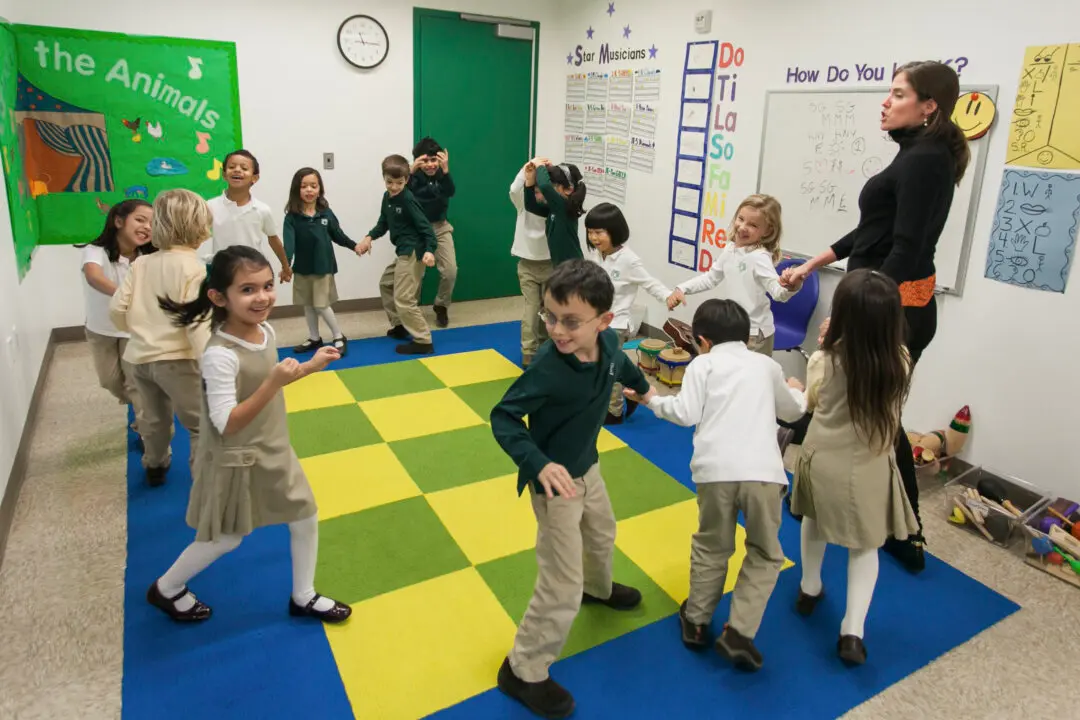
Some 14 million children received no vaccines in 2024, the United Nations said on July 15.
The 14.3 million figure of “zero-dose” children was up by 1.4 million from 2019, the year used as a baseline, according to the United Nations Children’s Fund and the World Health Organization (WHO), but remained about the same as 2023’s 14.5 million figure.
The groups also said that 89 percent of infants worldwide received at least one dose of the vaccine against diphtheria, tetanus, and pertussis, up by 171,000 from 2023. There were also increased numbers of children vaccinated with the human papillomavirus vaccine and the measles vaccine.
“The good news is that we have managed to reach more children with life-saving vaccines. But millions of children remain without protection against preventable diseases, and that should worry us all,” Catherine Russell, executive director of the United Nations Children’s Fund, said in a statement.
Tedros Adhanom Ghebreyesus, director-general of WHO, said the group “remains committed to working with our partners to support countries to develop local solutions and increase domestic investment to reach all children with the lifesaving power of vaccines.”
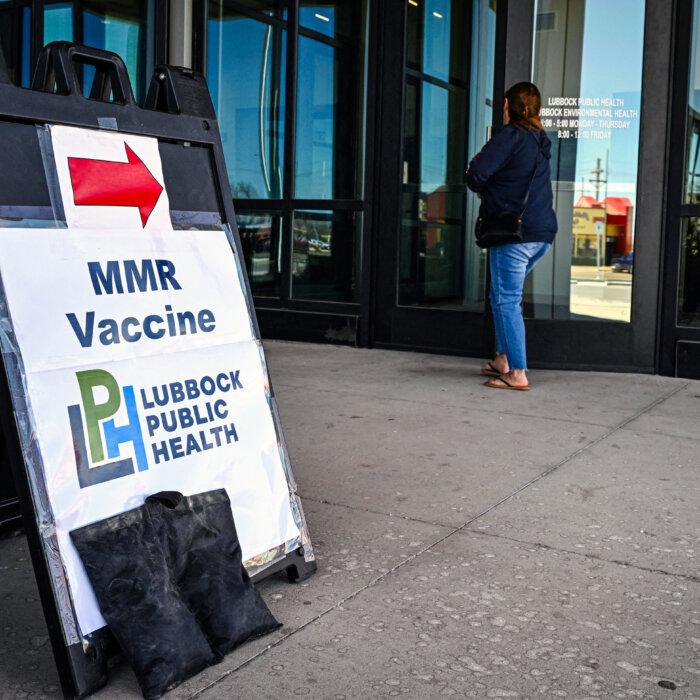
Dr. Jane Orient, executive director of the Association of American Physicians and Surgeons, told The Epoch Times via email that there are a number of assumptions in the campaigns for broader vaccinations, including whether the benefits always outweigh the risks.
“WHO and its vaccine-promoting allies are dedicated to universal vaccination of everybody for everything possible, but this dogma needs to be subjected to objective scientific examination,” she said.
The United Nations Children’s Fund and WHO estimate that 98 percent of infants in the United States received a dose of the diphtheria, tetanus, and pertussis vaccine in 2024, the same percentage as 2023 and 2022. They did not have estimates for the United States for vaccines against human papillomavirus and measles.
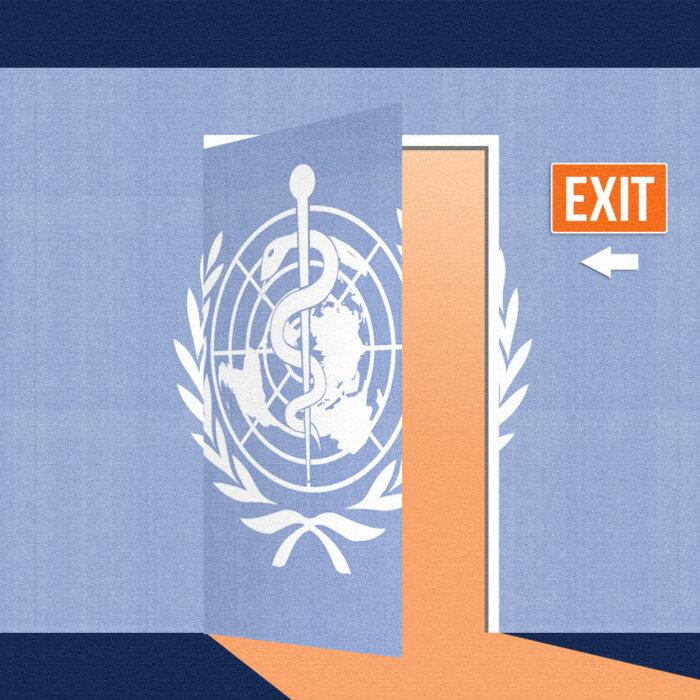
Per President Donald Trump’s direction, the United States also withdrew from the World Health Organization.
The United Nations Children’s Fund and WHO said on Tuesday that they were calling on governments and other partners to increase funding for Gavi “to protect millions of children in lower-income countries and global health security,” as well as boosting immunization in sensitive areas to reach more unvaccinated children and focusing on countering misinformation while increasing vaccine uptake.