Health Secretary Robert F. Kennedy Jr. said on July 14 that the United States is dealing well with measles and that he does not plan on declaring a public health emergency for the disease.
“In the individual states, if there are issues, we are there for them, but we don’t at this point consider it a national emergency,” Kennedy told reporters at an unrelated event in Washington when asked whether he planned to declare an emergency.
The Democratic senator said that declaring an emergency would enable the dedication of more federal resources to improve what he described as an inadequate public health response.
“You have an opportunity to protect the health of millions of Americans by demonstrating support for vaccination and a robust measles response,” Schumer said. “Otherwise, Americans will die from diseases for which there are safe and effective solutions we are choosing not to use.”
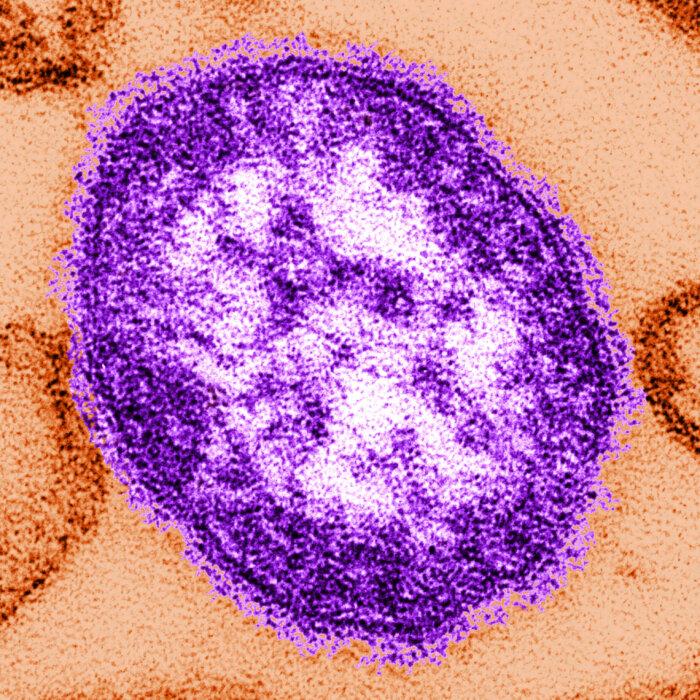
Vaccinated individuals can still contract measles but are less likely to contract the disease and, if they do, are more likely to suffer only mild symptoms, according to the CDC.
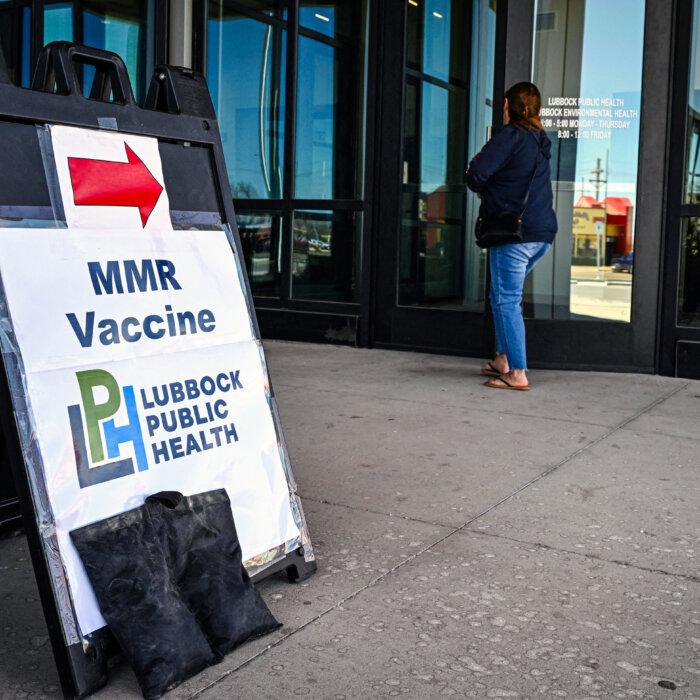
Through July 8, 1,288 cases of measles had been confirmed in the United States in 2025, the highest number since 1992. More than half have occurred in Texas. A majority of cases have been among people with no or unknown vaccination status.
Kennedy on July 14 noted that multiple other countries have more cases per capita, including Mexico.
“We’ve done a very, very good job at controlling it,” he said. “All the places where there’s outbreaks, the outbreaks are actually declining. We have CDC teams everywhere where the governors have requested it.”
He added that health officials are making sure that doctors are prepared to treat people who contract measles.