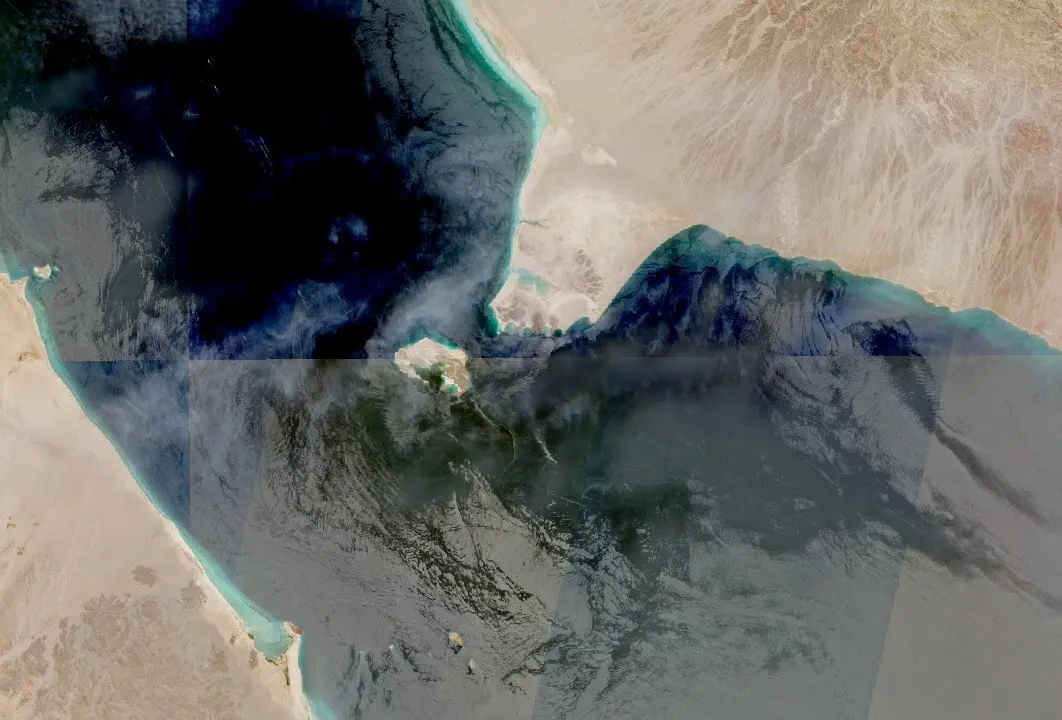
The National Weather Service (NWS) warned on Jan. 24 that a “high-impact” and “far-reaching” winter storm is affecting a broad swath of the central and eastern United States, with heavy snow, sleet, and freezing rain expected through Monday, threatening widespread travel paralysis and power outages.
“Extremely cold air will follow, prolonging dangerous travel and infrastructure impacts into next week.”
‘Catastrophic’ Ice Threat Raises Outage Risk
Forecasters warned the most dangerous impacts could come from a band of freezing rain south of the heaviest snow, with damage in hard-hit areas potentially rivaling that of a hurricane.

The NWS said widespread freezing rain is expected across portions of the Southern Plains, the Lower Mississippi Valley, the Tennessee Valley, the Southeast, and parts of the Mid-Atlantic.
The agency warned of “catastrophic” impacts where ice amounts exceed one-half inch, with locally more than one inch possible in parts of northern Louisiana, central and northern Mississippi, southern Tennessee, and the southern Appalachians.
“Long-duration power outages, extensive tree damage, and extremely dangerous or impassable travel conditions are likely,” NWS said in the 4:30 a.m. alert.
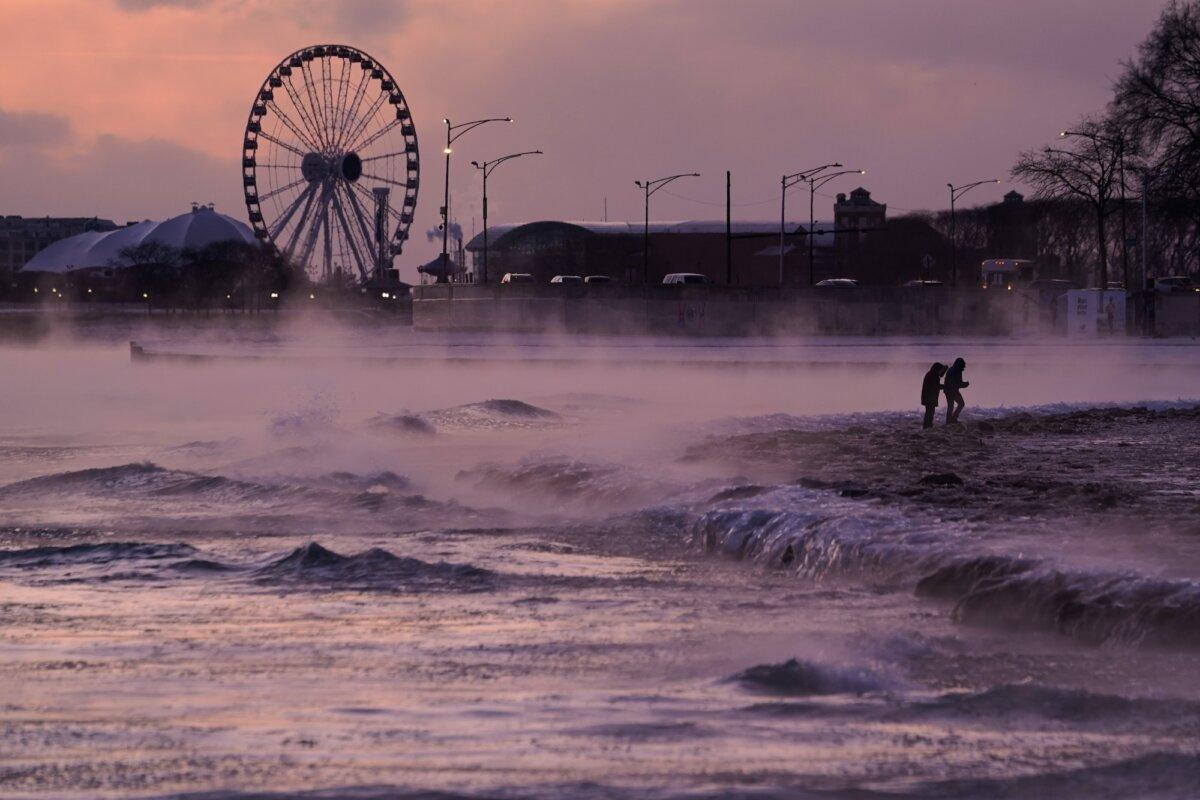
Utility companies have warned customers to prepare for extended outages, noting ice-coated trees and power lines can keep falling long after precipitation ends. Ice can add hundreds of pounds to branches and lines, making them more susceptible to snapping, especially if winds increase.
The danger of power outages is amplified in parts of the South where many homes rely on electric heating. In at least 11 Southern states from Texas to Virginia, a majority of homes are heated by electricity, according to the U.S. Census Bureau.
The NWS warned that extremely cold air behind the storm will prolong hazardous travel and infrastructure impacts into next week, slowing recovery as ice and snow persist across affected areas.
“In the wake of the storm, communities from the Southern Plains to the Northeast will contend with bitterly cold temperatures that will hamper cleanup efforts, prolonging infrastructure impacts and hazardous travel into at least early next week,” NWS said.
“Be sure to follow advice from local officials.”
Heavy Snow Corridor Expands Into Northeast
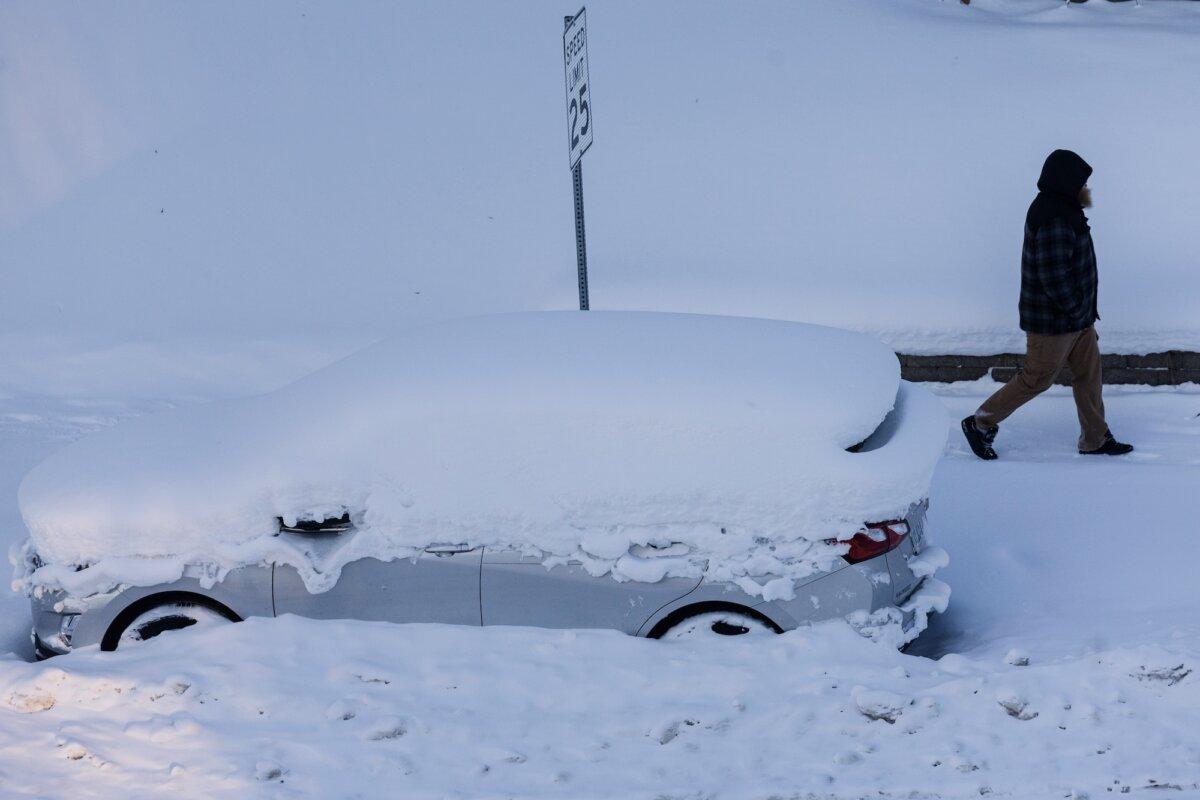
The NWS said heavy snow is forecast from the Southern Rockies and Plains through the Mid-Atlantic and into the Northeast, with snowfall totals exceeding one foot likely in parts of that corridor.South of the primary snow axis, forecasters warned of a band of significant sleet totaling roughly one to three inches that could further degrade roads and slow snow-clearing operations.
After pushing into the South, the storm is expected to lift into the Northeast, dumping around a foot of snow from Washington through New York and Boston, the weather service said.
Boston declared a cold emergency through the weekend. Connecticut Gov. Ned Lamont urged residents to shop early and “stay home on Sunday,” as the state worked with neighboring New York and Massachusetts on potential travel restrictions.
Philadelphia announced that schools would be closed on Monday. Superintendent Tony B. Watlington Sr. told students it was “appropriate to have one or two very safe snowball fights.”
Texas and Oklahoma Feel First Impacts
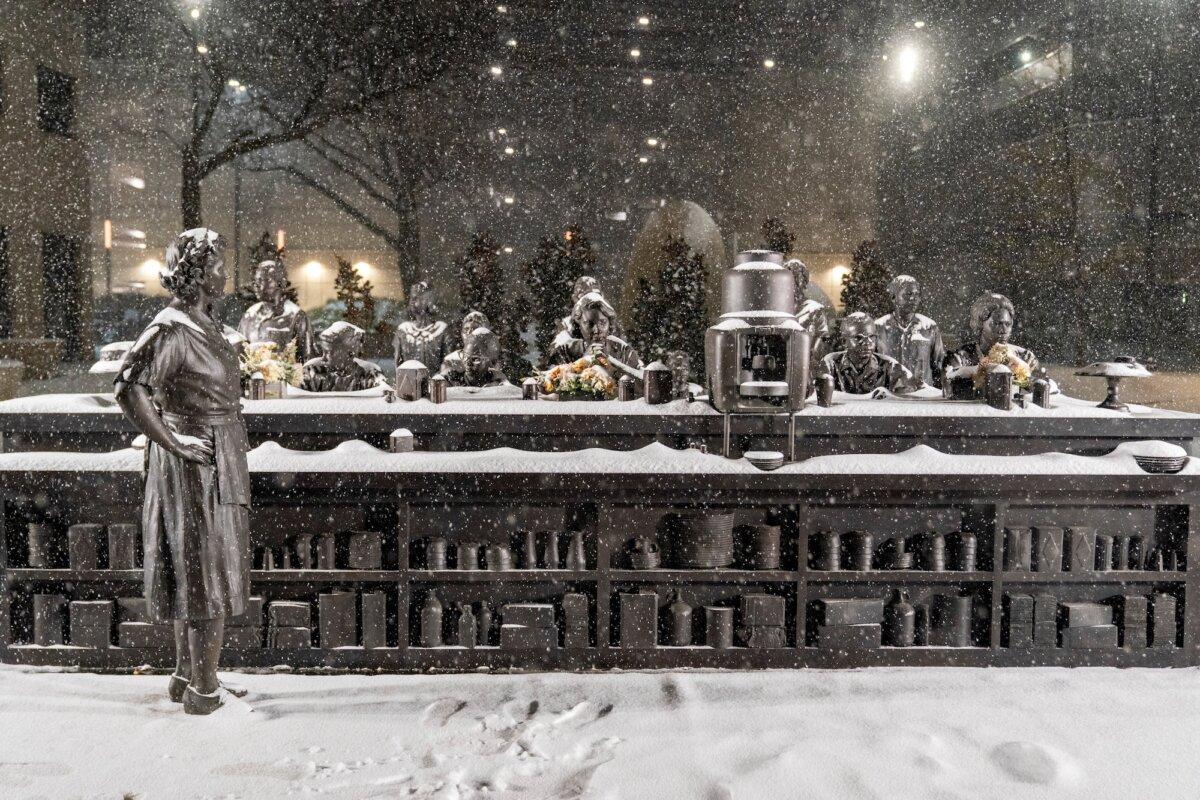
The storm’s early impacts were felt on Friday in parts of Texas, where freezing rain slickened roads as temperatures dropped. Snow and sleet also fell in parts of Oklahoma as the system advanced.In Oklahoma, transportation crews treated roads with salt brine, the Highway Patrol canceled troopers’ days off, and National Guard units were activated to help stranded drivers.
For many residents, the storm triggered last-minute preparations for days indoors.
“It’s going to be a big storm,” area resident Maricela Resendiz said as she shopped at a Dallas store for food supplies. She said her plan for the weekend was staying indoors and “just being out of the way.”
Flights Canceled, Events Disrupted
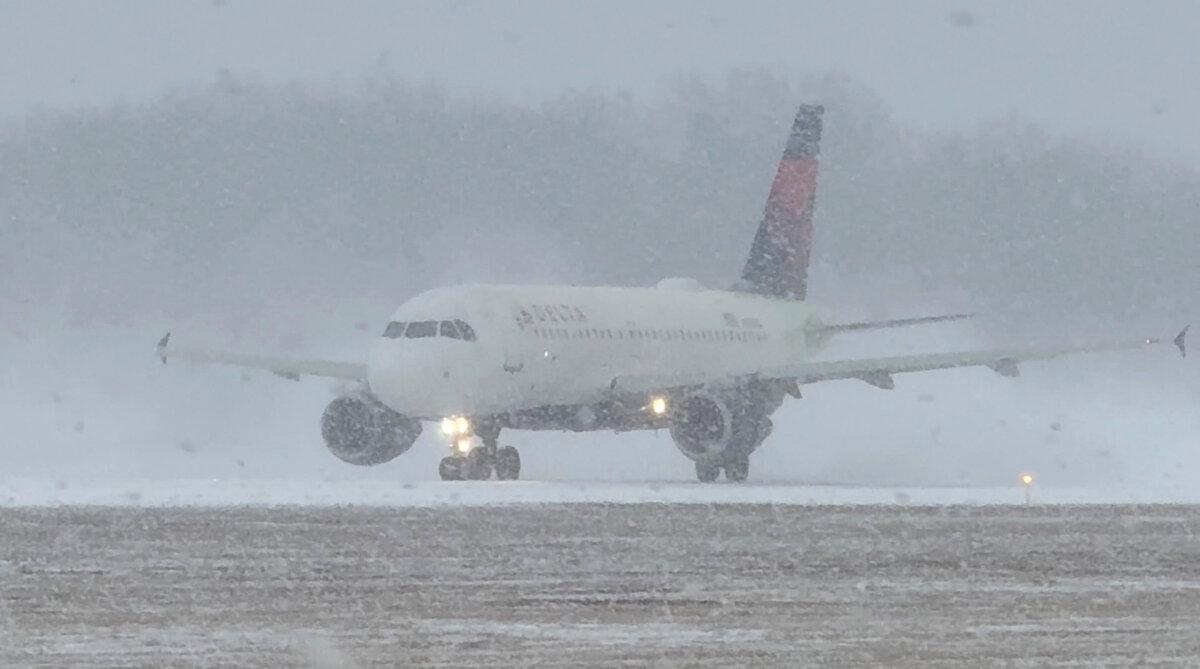
The storm has snarled air travel across the country, with thousands of flights canceled or delayed as ice and snow spread across major hubs.More than 8,000 weekend flights have been canceled, according to flight tracking data. On Friday alone, nearly 5,000 flights were delayed or canceled nationwide, many of them in Dallas and Chicago, according to FlightAware.
In Houston, traveler Angela Exstrom learned her Saturday flight home to Omaha was canceled, forcing her to reroute through Los Angeles.
“If you live in the Midwest and travel in the winter, stuff can happen,” she said.
The storm’s ripple effects extended beyond airports. Churches moved Sunday services online, the Grand Ole Opry in Nashville decided to hold its Saturday night performance without fans, and carnival parades in Louisiana were rescheduled or canceled.
Some universities in the South also canceled classes for Monday, including the University of North Carolina at Chapel Hill and the University of Mississippi’s main campus in Oxford.