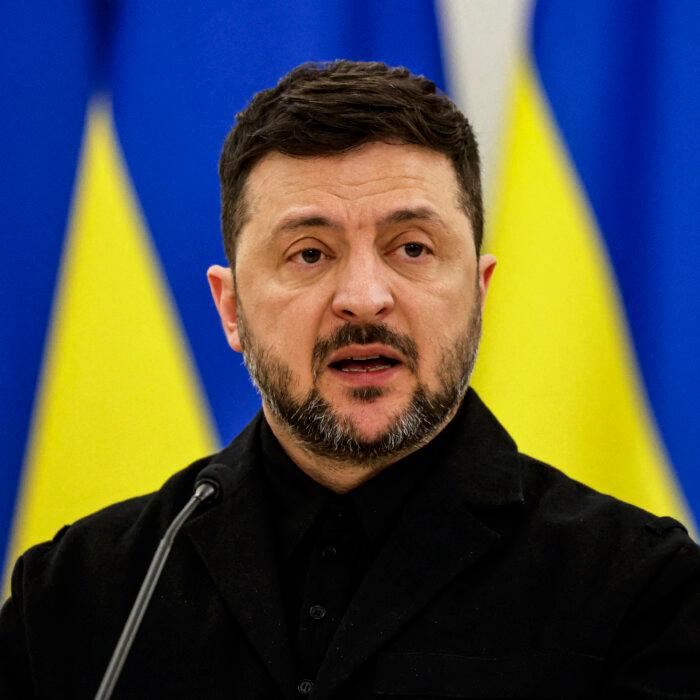
Ukrainian President Volodymyr Zelenskyy arrived in the UK on July 27 for talks with British Prime Minister Andy Burnham, becoming the first foreign leader to visit the country since Burnham took office a week ago.
The two leaders met at a naval base in Portsmouth, where they were expected to review British-led training programs for Ukrainian troops and discuss air defense, maritime security, and joint weapons production.
“Britain stands with Ukraine, shoulder to shoulder, and our support remains unwavering,” Burnham said in a statement ahead of the meeting. “Russia should be in no doubt of our resolve, and we will not back down until we achieve long-lasting and just peace for Ukraine.”
Zelenskyy said he would also meet Ukrainian military personnel stationed in the UK, including sailors who participated in Exercise Sea Breeze, a multinational maritime exercise focused on security and counter-mine operations in the Black Sea.
“Over the years of the full-scale war, we have built the strongest relationship in the entire history of cooperation between Ukraine and the United Kingdom,” Zelenskyy wrote in a post on X after arriving. “The key priorities are air defense, maritime security, and joint defense production—our cooperation that strengthens both countries.”
Burnham, who spent the past nine years as mayor of Greater Manchester and has limited foreign policy experience, is the fifth British prime minister to deal with Zelenskyy since Russia launched its full-scale invasion of Ukraine in February 2022.
His predecessor, Keir Starmer, visited Kyiv less than two weeks ago on his final overseas trip before leaving office.
New Electronic Warfare Support
Burnham and Zelenskyy were scheduled to meet more than 200 Ukrainian military personnel and sailors who have spent the past three weeks in the UK taking part in Exercise Sea Breeze.
The training is intended to strengthen Ukraine’s military capabilities and prepare participants for future missions countering mines and other threats in the Black Sea, according to the UK government.
The UK will also give Ukraine the intellectual property behind its domestically developed “Stone Cloak” electronic warfare system, Burnham’s office stated. The technology is designed to jam Russian air defenses and make Ukrainian drones more difficult to detect.

Speaking alongside Zelenskyy, Burnham said the UK would provide the new jamming technology to help protect Ukrainian drones operating in the war zone.
The UK government stated that its total support for Ukraine since Russia’s invasion had reached $33.3 billion.
During his visit to Kyiv earlier in July, Starmer pledged $345 million toward equipping Ukraine with a squadron of 16 Swedish-made Gripen fighter jets.
Zelenskyy’s trip to the UK comes a day before he is expected to meet U.S. President Donald Trump in Washington, where the two are expected to discuss the war and efforts to secure a negotiated settlement to the long-running conflict.
The visit unfolded as Russia and Ukraine traded another wave of long-range drone attacks, extending a campaign that has increasingly targeted infrastructure and logistics networks deep behind the front lines.

Russia launched 147 drones at Ukraine overnight, according to the Ukrainian Air Force, which stated that 123 were intercepted or electronically jammed.
In Moscow, the Russian Defense Ministry stated that its forces downed 276 Ukrainian drones overnight.
Rostov regional Gov. Yuri Slyusar said five people, including a child, were killed when a Ukrainian drone hit an apartment building in Rostov-on-Don. The Ukrainian military General Staff stated that Ukrainian forces struck an export terminal in Rostov-on-Don, setting it ablaze.
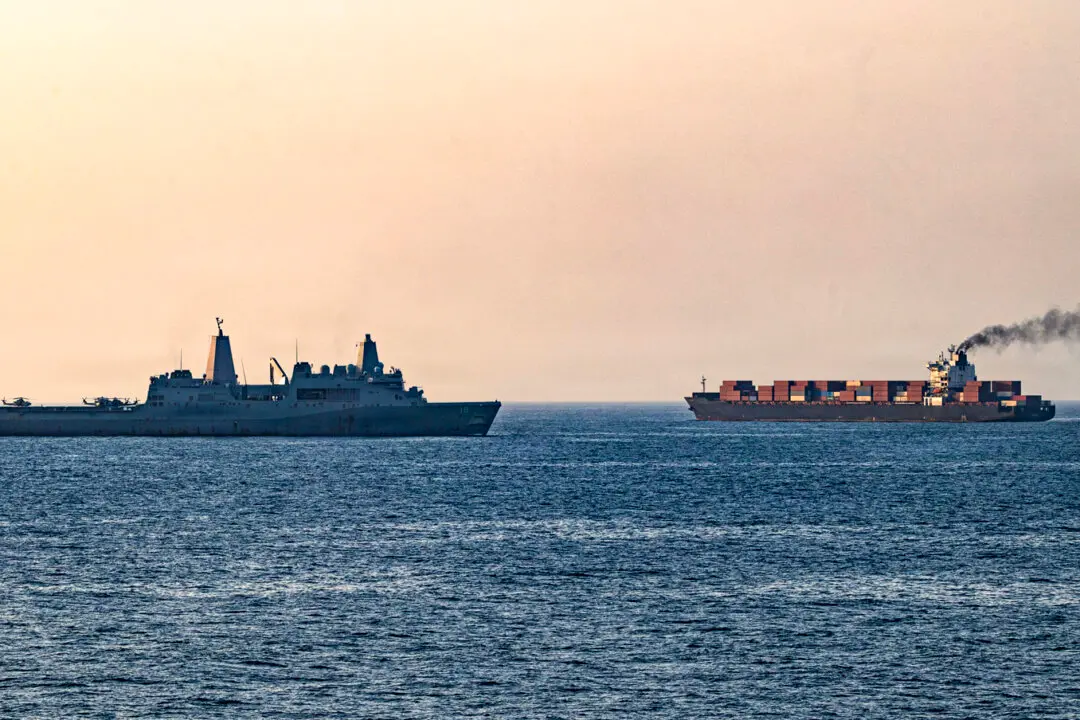
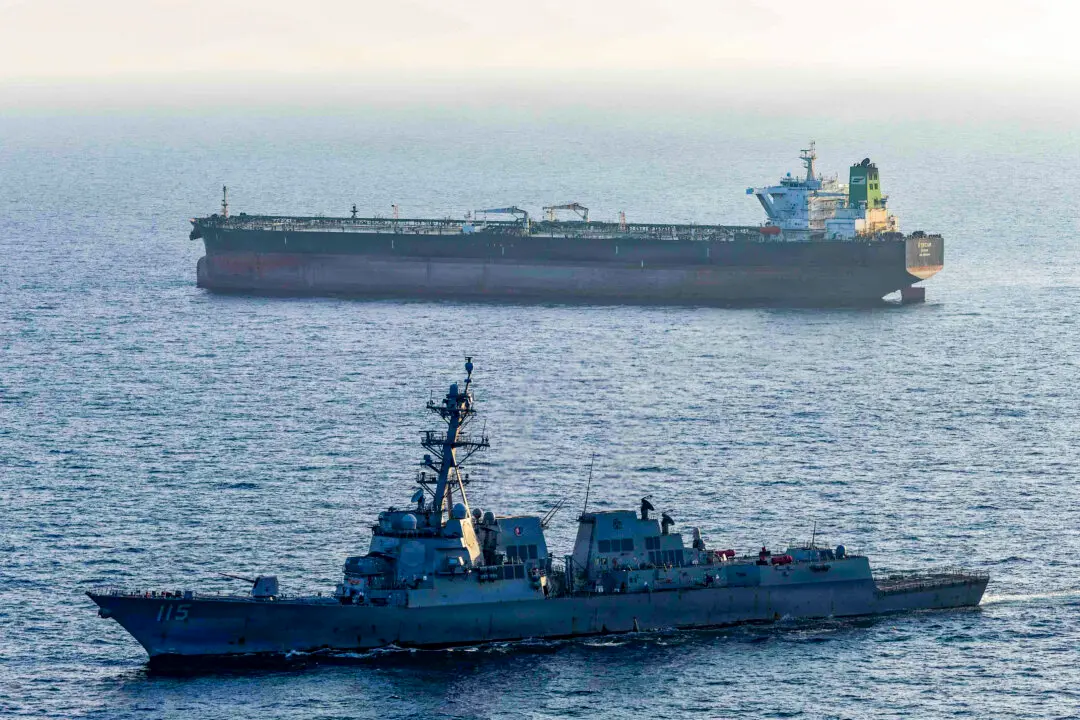
The Washington-based Institute for the Study of War (ISW) stated in its latest assessment that the Russian Navy is forming unmanned-systems regiments, likely in part to protect its vessels and ports from intensifying Ukrainian strikes in the Black Sea and Sea of Azov.
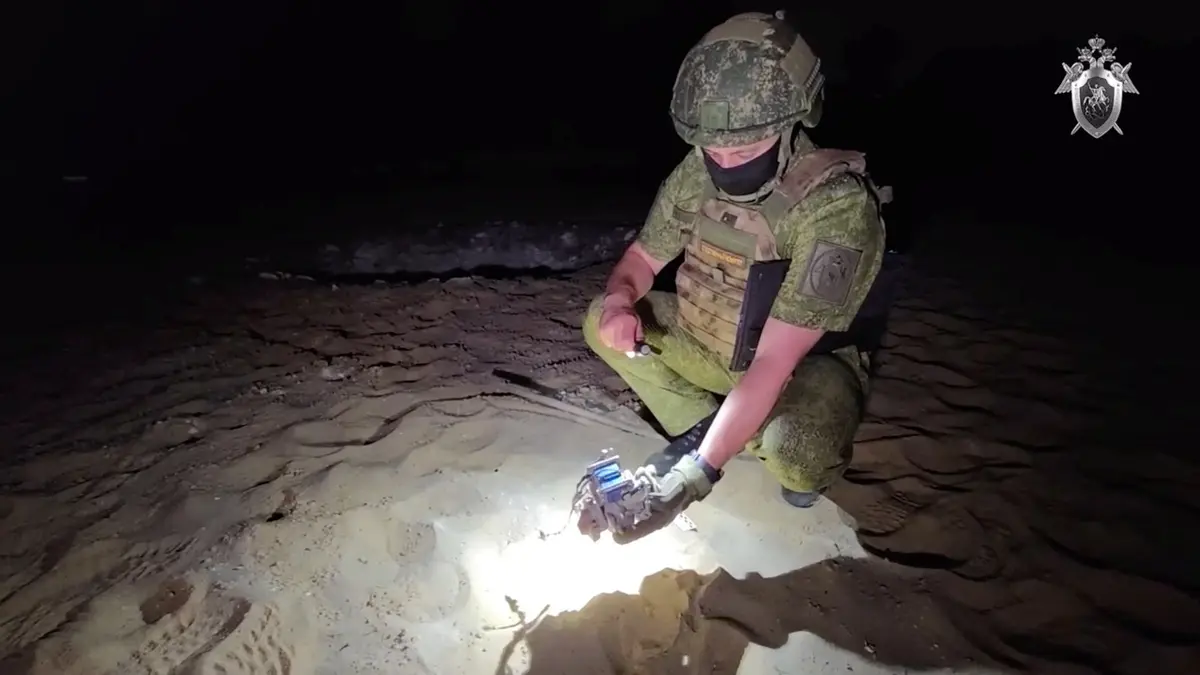
Russia has sought to defend against the attacks by relocating and dispersing ships, installing anti-drone netting, and deploying mobile response units and air patrols, the ISW stated in a July 26 update.
The Ukrainian General Staff was cited by ISW as stating that its forces struck Russia’s Tyumen oil refinery on July 25, nearly 1,230 miles from the front line, while geolocated footage shows smoke rising from the facility.
Reuters and The Associated Press contributed to this report.