The Trump administration has made a move to address homelessness with an executive order to bring back facilities to house those with mental illness or drug addiction.
The administration says chronic homelessness is often fueled by addiction and mental illness, which has led to safety concerns in many cities.
The White House stated that during the last administration, a record of more than 274,000 individuals were found to be experiencing homelessness.
The order pushes local governments to redirect the homeless to “long-term institutional settings for humane treatment through the appropriate use of civil commitment.”
The Executive Order
Trump’s order tasks Attorney General Pam Bondi and Health and Human Services Secretary Robert Kennedy Jr. to seek the reversal of any policy at the federal, state, or local level that blocks the commitment of those with mental incapacity or addiction who are living on the streets to “appropriate facilities for appropriate periods of time.”
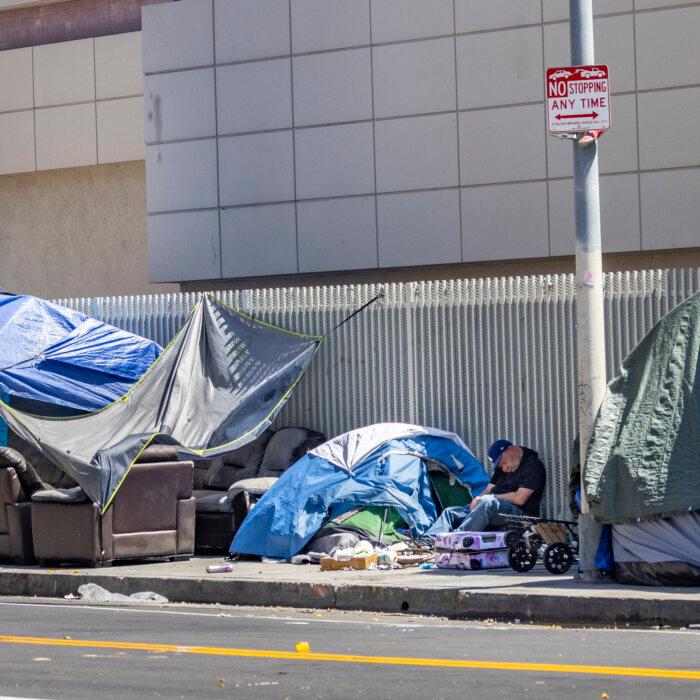
The order also redirects funds to rehabilitation and treatment facilities and attempts to “restore public order,” stating that “endemic vagrancy, disorderly behavior, sudden confrontations, and violent attacks have made our cities unsafe.”
Trump has called for a shift back toward long-term institutional care, saying this is a more compassionate and safe solution for both the homeless and the individuals they interact with in U.S. cities.
Order’s Critics
Some critics of the order say the administration’s efforts would be counterproductive.Areas of concern for the group include the expanded use of police and institutionalization as a response to homelessness, as well as the prioritization of funding for states to deal with homelessness as a crime. According to the group, given the way the order is structured, it will also cut off funding for current programs that the group believes save lives and reduce harm.
“Today’s executive order, combined with MAGA’s budget cuts for housing and healthcare, will increase the number of people forced to live in tents, in their cars, and on the streets,” the law center stated. “This order does nothing to lower the cost of housing or help people make ends meet.
“Forced treatment is unethical, ineffective, and illegal.”
Historical Context: Deinstitutionalization
The historic use of institutions and asylums for those who were not able to function well in society went by the wayside in the mid-20th century, in part, because of overcrowding and underfunding.That mixture contributed to widespread abuse suffered by residents, which led to further reform.
Later, advances in drug treatment for psychiatric care, along with financial pressures and legal changes, led to activism that pushed forward the first wave of deinstitutionalization in the 1950s and 1960s.
During the Kennedy administration, the 1963 Community Mental Health Act was signed, which promoted smaller community health centers in place of large institutions, but the funding for those centers was insufficient in the long term.
Later, a second push targeted removing those with developmental disabilities from such facilities in the late 1960s and 1970s.
Between 1980 and 2000, many individuals with mental illnesses who had previously been in psychiatric institutions began to enter the criminal justice system instead—a shift known as transinstitutionalization. This trend alone is estimated to have contributed to a 4 percent to 7 percent increase in the overall incarceration rate during that period.