Defense attorneys for Tyler Robinson argued that the prosecutors failed to establish sufficient evidence to try him for aggravated murder in the public killing of Charlie Kirk.
Robinson’s attorneys argued that the prosecutors’ aggravated-murder theory requires the prosecution prove Robinson “knowingly created a great risk of death” to another person besides Kirk. His lawyers argued this theory won’t hold up because only one shot was fired, the shot hit Kirk, and no one else was injured.
The defense therefore argued that Robinson shouldn’t get the death penalty because the shooter “hit the intended target.”
Pursuing this argument, the defense pointed to the fact that no one else was directly in the line of fire, and the shooter did not chamber another round after firing.
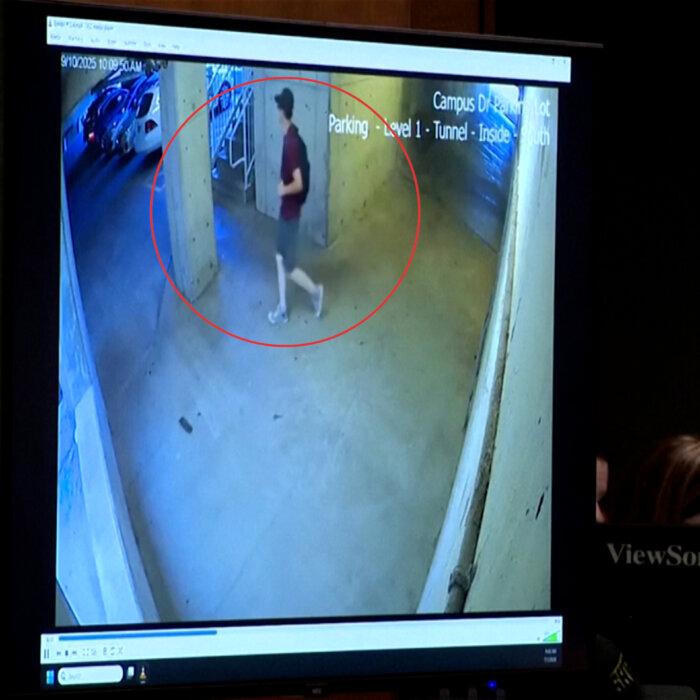
Robinson is being tried for the public assassination of Turning Point USA founder and conservative commentator Charlie Kirk, which took place during an outdoor event at Utah Valley University on Sept. 10, 2025. Kirk was hosting a campus debate as part of his “American Comeback Tour” and taking questions from the audience when he was shot.
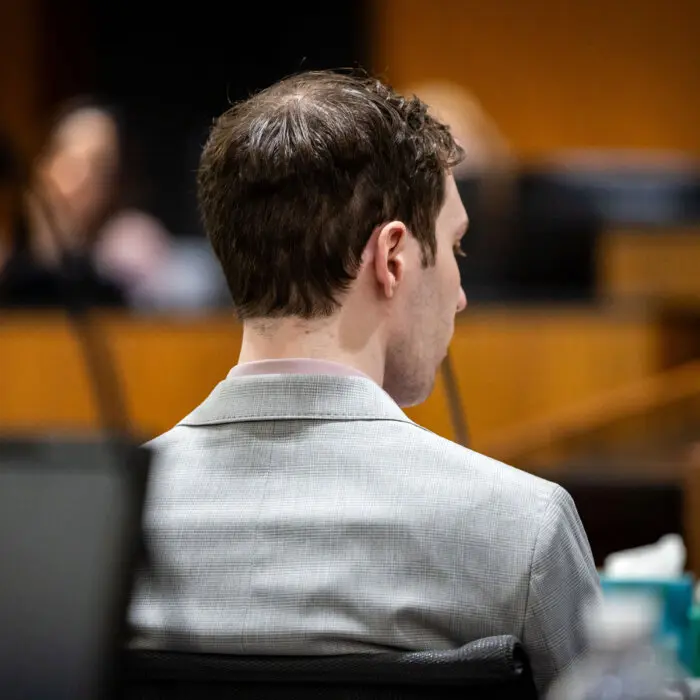
The defense is asking Judge Tony Graf not to send the case to trial as it is currently charged, saying the prosecution’s case relies on speculation and hearsay. If he is tried as the state wishes, Robinson is exposed to the possibility of the death penalty under Utah law.
Utah Code Section 76-5-202(2)(a)(iii) makes an intentional or knowing killing an aggravated murder when the defendant also “knowingly created a great risk of death to another individual other than the deceased individual and the actor.” This allows the prosecution to seek the death penalty.
Prosecutors argued that Robinson had the requisite intent because he planned the killing for more than a week, and allege he killed Kirk because he “had enough hatred.” Robinson is also accused of conducting target practice and surveilling the university campus.
The prosecution argued that Robinson knowingly created great risk of death because he fired a high-powered rifle toward thousands of people, and they claim the person questioning Kirk at the time of his death was in the line of fire. The prosecutors alleged that Robinson loaded four cartridges rather than one, alongside other evidence the prosecution believes satisfies the qualifications for aggravated murder under Utah law.
Political Motive Would Enhance Penalties
Under Utah law, if Robinson is shown to have targeted Kirk due to the commentator’s specific political expression, his penalties would be increased upon conviction.
The defense argued that the prosecutors haven’t presented evidence supporting a conclusion that Kirk was targeted because of politics or religion.
In a letter entered into evidence, David Engelhardt, a Turning Point USA board member, wrote that Kirk believed “experimentation with sexual/gender identity is sinful” and that “heterosexuality inside the confines of a marriage is the only virtuous pattern for sexuality.”
Previously, the prosecution said Robinson had a partner—Lance Twiggs—of the same sex and lived a lifestyle in contradiction to Kirk’s religious and political views, prompting Robinson to target Kirk.
“The circumstantial evidence that Defendant targeted Mr. Kirk because of Defendant’s belief or perception of Mr. Kirk’s political beliefs is overwhelming,” prosecutors said in written arguments filed after the preliminary hearing.