
The price you pay for a product may depend not just on demand, but on what companies know about you.
What Is Surveillance Pricing?
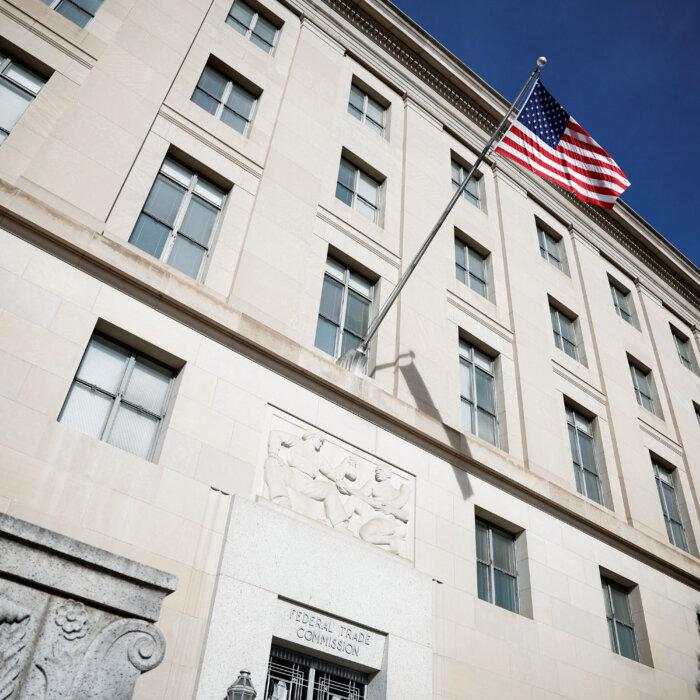
A July order by the Federal Trade Commission (FTC) compelled eight companies, including Mastercard, JPMorgan Chase, and Accenture, to provide documents about how retailers used surveillance pricing tools.
Despite potential benefits, such as possible discounts, the FTC’s report was wary of possible risks to vulnerable groups.
How it Differs from Dynamic Pricing
While any change in price can cause questions by consumers, surveillance pricing differs from dynamic pricing in a few key ways.Dynamic pricing changes based on market conditions, like demand, supply, and timing.
What the FTC Has Found So Far
The FTC released findings of the study on surveillance pricing in January 2025.The study found that retailers rely on a range of personal data, including location, browsing history, and demographics, to tailor prices.
“Americans deserve to know how their private data is being used to set the prices they pay and whether firms are charging different people different prices for the same good or service.”
States Taking Action
In Colorado, HB 26-1210 addresses companies pushing personal data into automated decision systems to push prices as high as possible, while offering the lowest possible wages.The Electronic Privacy Information Center supported the bill, saying it is “carefully tailored to stop this predatory, unfair, and privacy-invasive practice while still allowing for transparent and fair discount and loyalty offerings and human discretion in wage offerings.”
The group’s senior counsel, Calli Schroeder, testified before the state legislature in March 2026.
She said: “Coloradans reasonably expect to pay the same prices as their neighbors for products and to receive fair pay for their work—not have their personal data exploited to more efficiently empty their wallets.”
Similarly, Maryland’s state legislature passed the Predatory Pricing Act, HB 895, which will ban food retailers from surveillance pricing.
New York passed its Algorithmic Pricing Disclosure Act in May 2025 and it went into effect last November. It requires businesses to inform customers when prices are set using personalized algorithms.
Additionally, the New York Attorney General’s Office launched a public investigation in January 2026.
The state’s move came months before California Attorney General Rob Bonta announced a sweeping investigation into the use of personal data for price setting in January 2026.
Sen. Kirsten Gillibrand (D-N.Y.) introduced federal legislation in December 2025, setting up a crackdown on surveillance pricing.
“No one should be charged more just because a company is digging into their background and exploiting their data. It’s wrong, and I won’t stop working until we get this bill across the finish line and end these abusive practices once and for all,” she said in a statement.