“Mommy, mom! I need my mom!”
The girl was yelling frantically in Spanish. The hospital staff and social workers around her were unable to understand her cries.
But Alma Tucker understood only too well.
An investigative officer for the Mexican consulate’s child protection unit, Tucker was on the verge of retirement when she was called to the San Diego hospital to help the rescued teenager.
As an interpreter, Tucker’s job was to help find family members for illegal immigrants in hospitals.
This girl, 14, had been brought into the United States illegally after traveling through rough terrain, without her family. She was forced to have sex with multiple members of the group she was traveling with.

The smugglers told her that her parents hadn’t paid for her trip to the United States and that that was the only way she could pay them.
“She was sexually assaulted through the night,” Tucker told The Epoch Times.
“Thank God she was rescued by the authorities.”
Tucker had no idea what she would find when she arrived at the hospital. Then she heard the cries from a hospital room.
“I told her in Spanish, ‘I’m here to help you, and I will not leave your side until we find your mom,’” Tucker said.
She said that at that moment, she “saw a girl breathing deep.”
“I didn’t go from her side till we reunited her with her family,” she said.
That was the moment Tucker found, not retirement, but a mission.
“That little girl impacted my life so strongly,” she said.
“I promised myself, [even] if I don’t work anymore in the Mexican consulate, I will be, myself, available when one girl or boy [has] the need to be with a parent, when a parent is not there.”
Her years at the consulate in San Diego had given her extensive contacts and knowledge of the law. The city is home to the San Ysidro Port of Entry—one of the busiest land border crossings in the world and a focal point for human trafficking.
Realizing that there were few resources for Mexican victims of human trafficking, in 2010, Tucker started a nonprofit that would reach across the border from the United States to Mexico. Based in San Diego and Tijuana, Mexico, it’s known as the International Network of Hearts in the United States and the Red Binacional de Corazones in Mexico.
The two organizations support survivors of human trafficking. They also provide training and education for governmental authorities and civic groups interested in assisting victims of human trafficking.
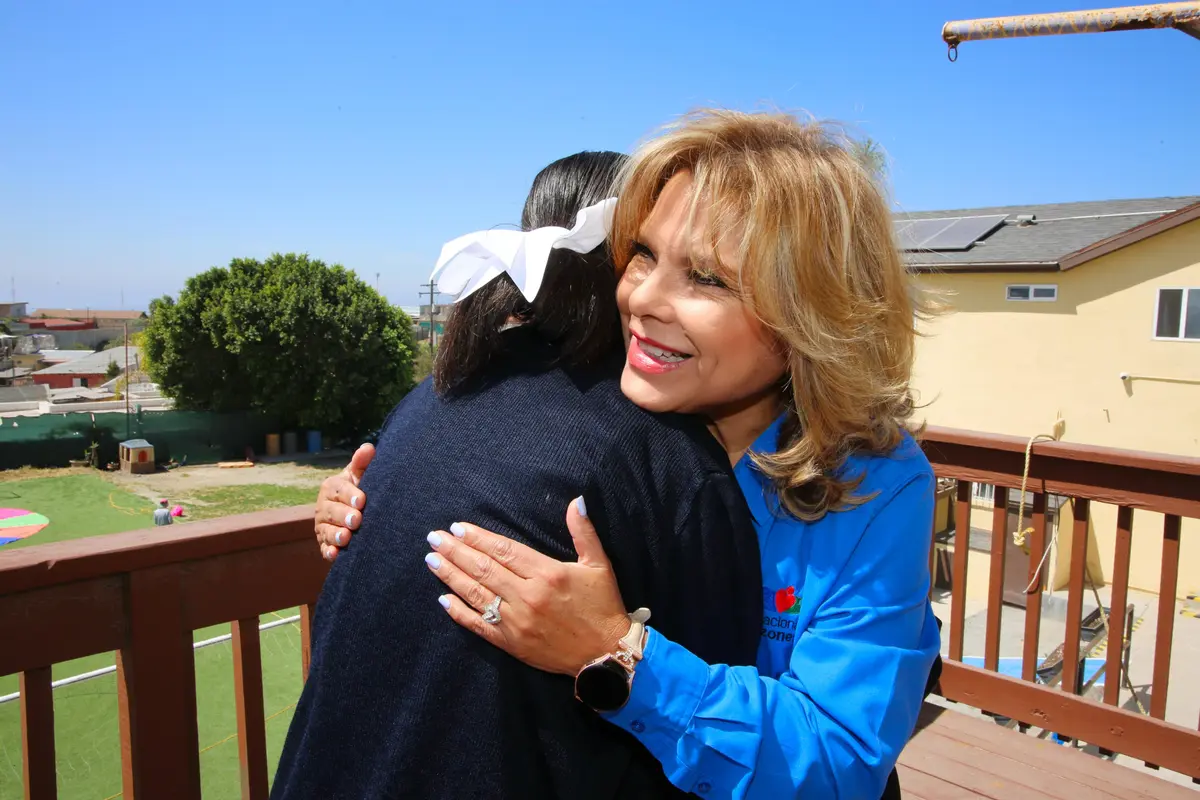
Tucker also founded La Casa Del Jardin (The Garden House), 15 minutes south of the border. It’s the only designated group home in Baja California for young people aged 18 to 24 recovering from human trafficking.
A licensed psychologist, Tucker is also an academic honorary member of Mexico’s national commission on human trafficking.
She has spent more than 30 years working with survivors of human trafficking in the region of the border.
However, her work is not always well received.
“Not too many people want to talk about [human trafficking],” she said. “People are afraid to talk about it, and they feel like if they do something, something is going to happen to that person or to the family.
“Many times when I’m in groups, I’ve been told: ‘Please don’t, don’t talk about that. I don’t want to hear that girls are sexually assaulted. I don’t want to hear that this is happening.’”
Tucker said that not talking about human trafficking is only making more room for the problem to grow.
Girls aren’t the only ones affected, according to Tucker.
“Boys are the silent victims,” she said.
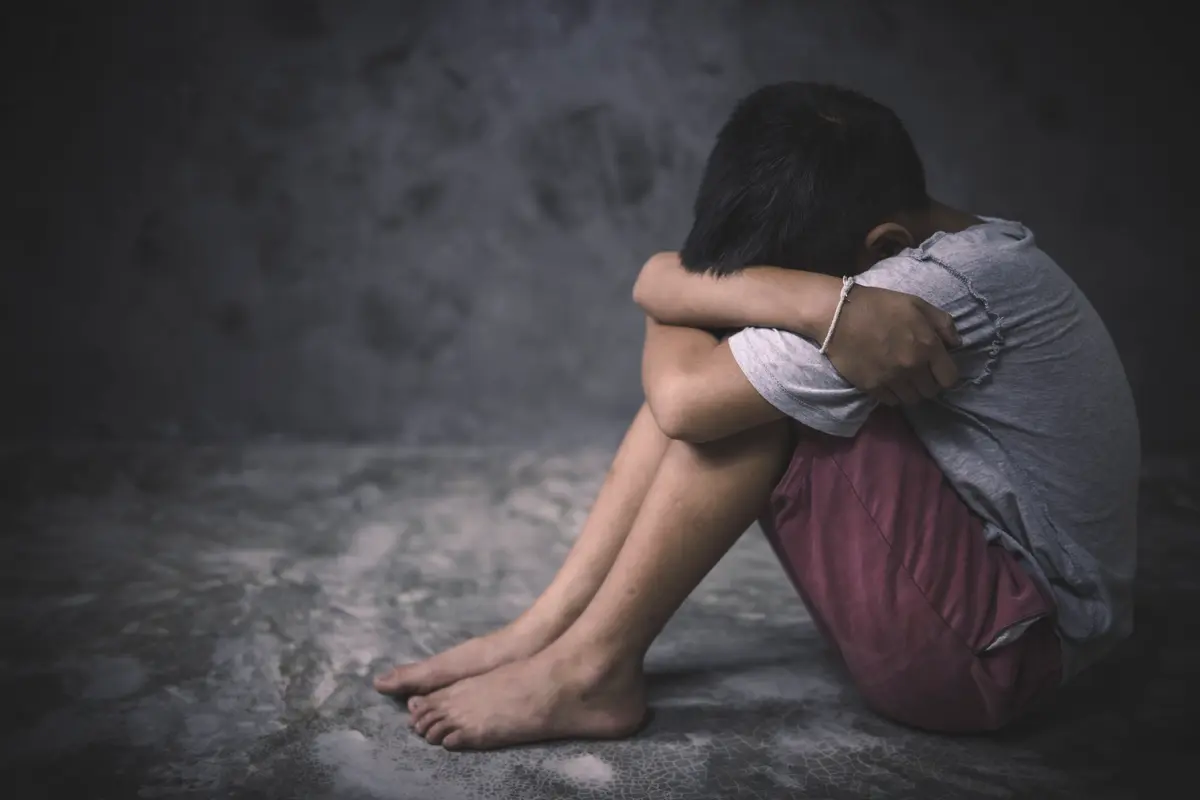
“They usually don’t talk. They keep it to themselves because they’re embarrassed because people tell them nobody will believe them.”
After the organization started its home for girls in 2015, it saw “brothers, and sisters, and families” who needed rescuing, Tucker said. She opened a boys home in 2018.
Both girls and boys are able to move into transitional housing once they reach 18 if they decide to continue their studies with the program.
“We have girls and boys already graduated from university, and then they were reintroduced healthy to society. This is what moves us; this is our passion,” she said.
The homes have served more than 200 children since the program started a little more than a decade ago.
“When they arrive, they don’t trust us,” Tucker said.
“But little by little, [they see] we’re not there to abuse them; we’re there to help them.”
In the organization’s facilities, rescued children have access to education and activities such as soccer, basketball, art, and yoga. The centers also provide psychological and psychiatric services. The goal is gradual healing and regaining self-esteem and trust.
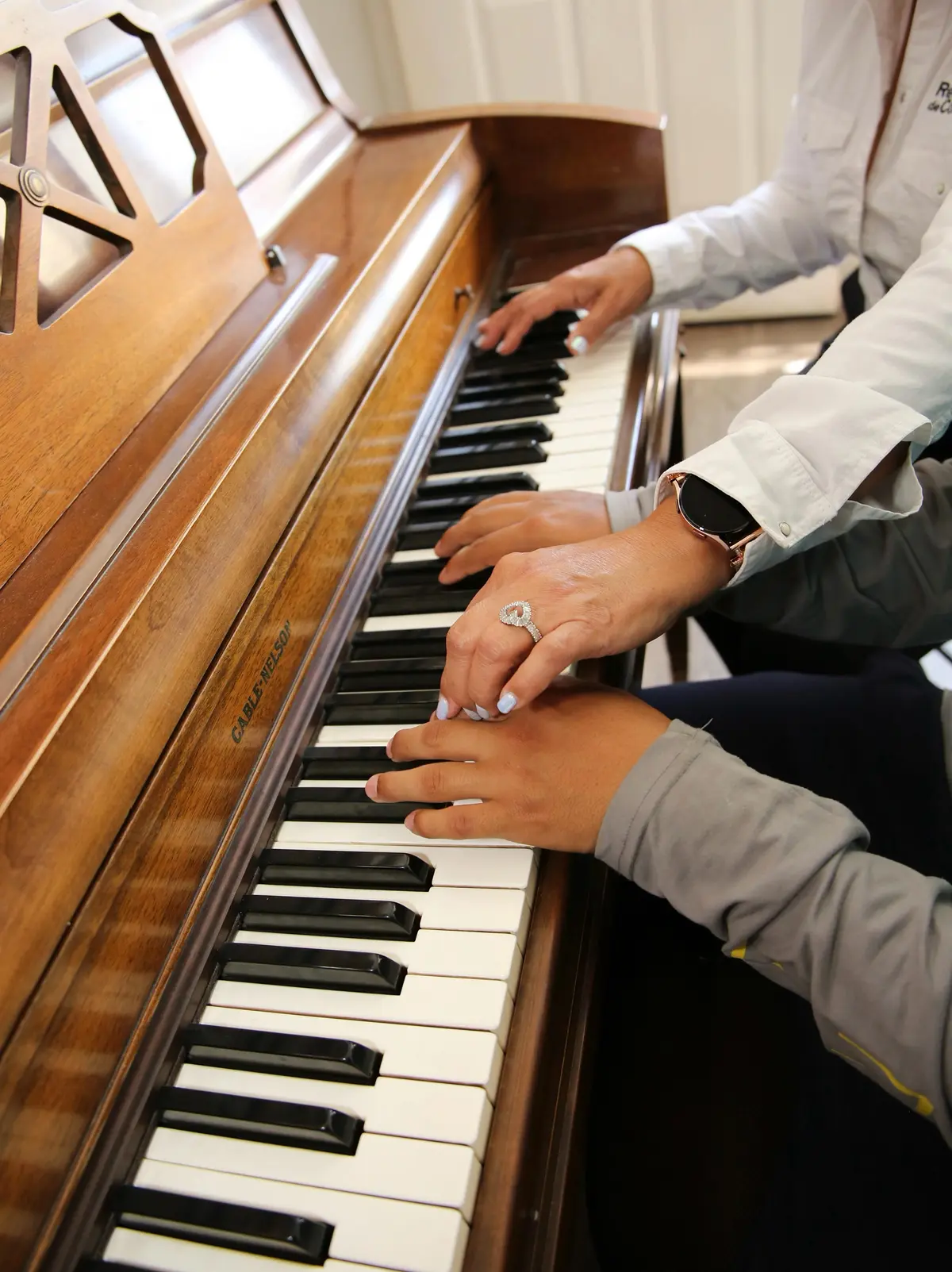
“And then we see those kids, they start smiling, they start trusting, and you start finding the best of them,” she said.
The organization also does trainings on both sides of the border, teaching authorities, teachers, and churches how to identify human trafficking victims. Victims don’t always come forward and say “Here I am, I’m a victim of human trafficking,” Tucker said. Traffickers may make their victims think they’re at fault or that they put themselves in a situation that led to the trafficking.
Human trafficking is a problem each person can help solve, Tucker said. It’s happening “closer than you realize,” she said.
“Maybe in this moment, somebody is in need of a rescue, but if we are not prepared ... that little girl [or] boy will not be rescued,” she said.
“That one little thing that you do, that makes the difference,” she said, even if it’s something as small as sharing an article on human trafficking.
“Join us in helping the one. There’s always one that needs to be rescued.”