The panel that advises the Centers for Disease Control and Prevention made several recommendations to the agency during its recent meeting, and tabled a vote that could have led to a delay for the first vaccine most children receive.
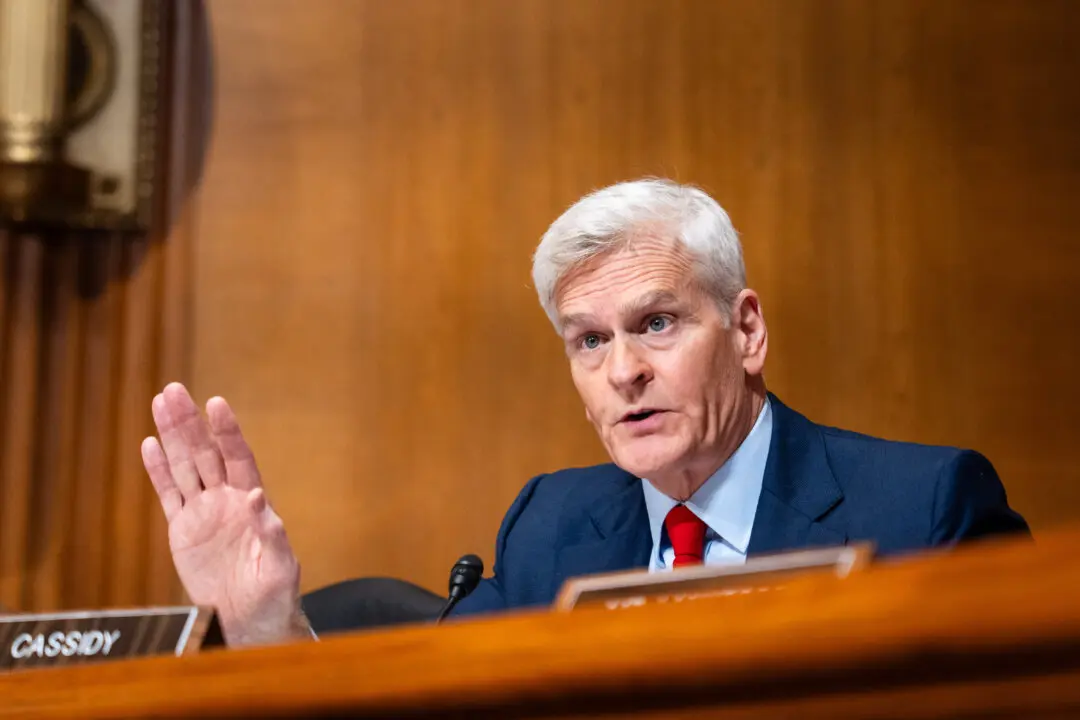
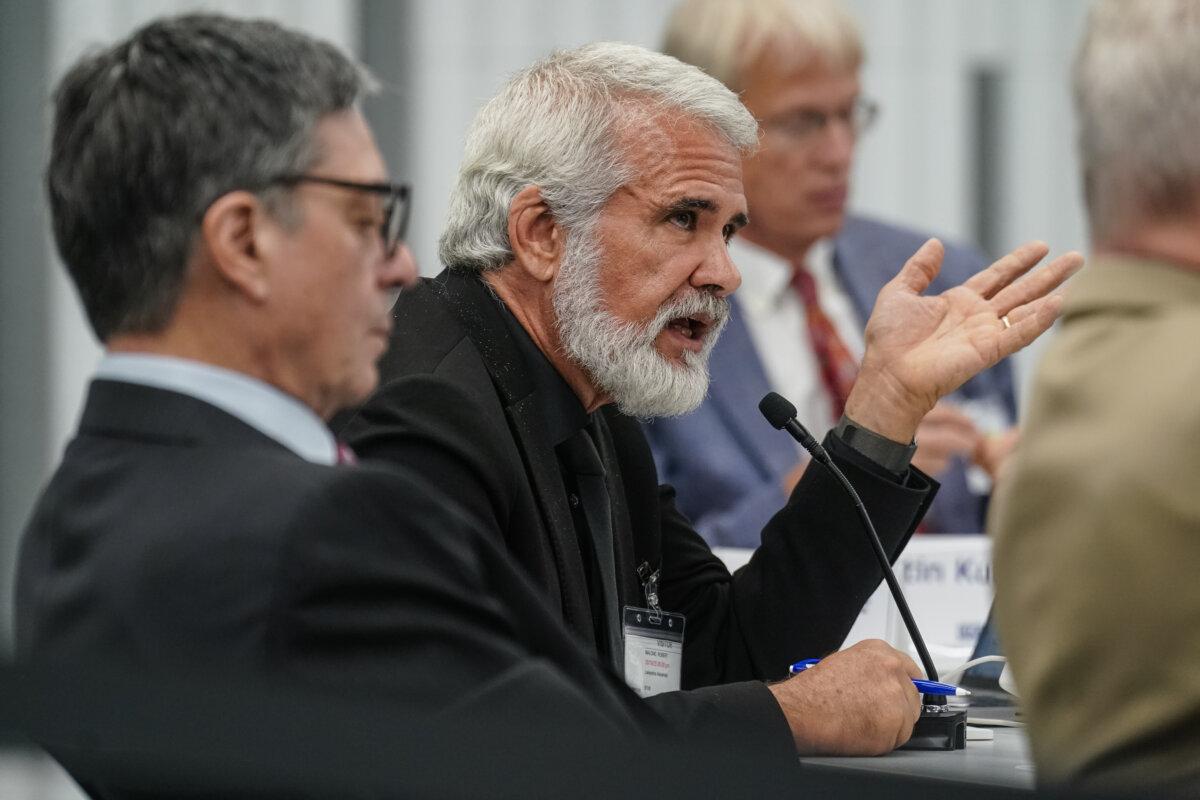
The Advisory Committee on Immunization Practices (ACIP), appointed by Health Secretary Robert F. Kennedy Jr., met in Georgia on Sept. 18 and Sept. 19.
COVID-19 Vaccines
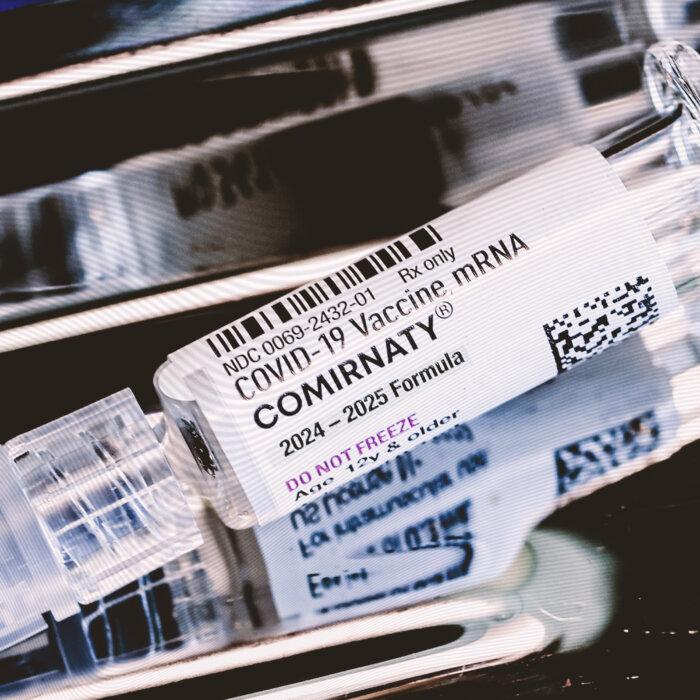
Members voted in favor of changing COVID-19 vaccine recommendations to the lowest tier, which emphasizes that the choice is to be based on individual factors.Members unanimously said that COVID-19 vaccination on the CDC’s immunization schedules should be under shared clinical decision-making.

“The biases are all over the place. This is really not reliable methodology. Unfortunately we are using it and ignoring a lot of other approaches that could be used,” Retsef Levi, chair of the COVID-19 vaccine workgroup, stated.
“At best, the additional protection provided by a seasonal booster is moderate and of short term,” he added later.
“This is a circumstance where I do think that not having a broad recommendation for it, that aligns with the evidence,” she said.
ACIP members also said that the CDC should add language to vaccine information statements for the vaccines to better describe risks and uncertainties surrounding their benefits, and that before administering vaccines, providers should discuss potential downsides and benefits, as well as the CDC’s listed risk conditions.
The CDC’s acting director, Jim O'Neill, will decide at some point in the future whether to accept the panel’s advice.
Measles Combination Shots
For years, the CDC has recommended two combination vaccines against measles: the measles, mumps, and rubella (MMR) vaccine and the measles, mumps, rubella, and varicella (MMRV) vaccine.The agency has stated that for the first dose, the preference was for the MMR vaccine along with a separate shot against varicella, or chickenpox, because of an elevated risk of febrile seizures among younger children following MMRV vaccination. But parents could choose the MMRV vaccine instead, and about 15 percent have been doing so, according to data shared during the meeting.
The first dose of a measles vaccine is typically administered around one year of age; the second dose is recommended for children aged 4 to 6.
Levi, who is also a professor of operations management at the Massachusetts Institute of Technology, voted to advise a change.
“Let’s say someone will guarantee us that adherence would be the same, just for the sake of discussion,” he said. “It seems to me quite reasonable that most of us would think that separate vaccines are better because there are some ... adverse events being caused in excess.”
Dr. Cody Meissner, another member and a professor of pediatrics at Dartmouth College, was one of the no votes.
“The disadvantage of giving two doses ... is that we know compliance falls, and the advantage of combination vaccines is that children and adults are more likely to complete the vaccine requirements if it’s given as a single dose,” he said.
He also said that febrile seizures resolve quickly and are not linked to long-term harms.
In a separate vote, advisers recommended halting coverage in the federal Vaccines for Children program for MMRV for younger children, given the committee’s updated stance overall.
Plan to Delay Hepatitis B Vaccine Tabled
Advisers also had scheduled a vote to push back the first dose of the hepatitis B vaccine from within 24 hours of birth to at least one month after birth.The vote was originally scheduled for Sept. 18. It was delayed until Sept. 19, according to ACIP Committee Chair Martin Kulldorff, to provide time to tweak the language of the proposal.
As the committee reconvened on the morning of Sept. 19, several members voiced concern with presentations from the CDC on the vaccine, which stated that it was safe and effective.
“We have widespread claims, case reports, case series, suggesting that there are harms, and we have an IOM report indicating that they could not conclude statistically whether or not those had merit,” he said. “That does not mean that it is safe, which was the assertion.”
It’s not clear whether the matter will be brought forth again in the future.
The Department of Health and Human Services did not return a request for comment by publication time.
The panel did approve a separate recommendation that all pregnant women be tested for hepatitis B.
“Although we would have liked the committee to remove the Hepatitis B vaccine from the childhood schedule, we are encouraged that they are at least considering whether its administration should be changed,” Mary Holland, president and CEO of Children’s Health Defense, a group started by Kennedy, told The Epoch Times in an email.
“Take it to a workgroup and through the whole scientific process. Tabling is the right answer for now,” he said. “The birth dose should remain given the data but more importantly the discussion needs to go through an actual process!”
Daskalakis said during a recent appearance on ABC that for mothers who have been tested for hepatitis B, delaying the first dose “may not matter very much.”
“But if you have a mother who’s not gone to prenatal care, who comes in to deliver, we have one bite at that apple so that child gets that important hepatitis B vaccine,” he added.
How Information Is Vetted
The meeting grew tense at times as liaisons from medical organizations criticized ACIP, which was remade by Kennedy.“We’re concerned about how vaccine recommendations are being developed by this new panel. Data’s being selectively used to justify specific conclusions, rather than considering all of the available evidence,” Dr. Sandra Fryhofer, representing the American Medical Association, said.
Dr. Grant Paulsen, representing the Pediatric Infectious Diseases Society, said he was concerned that members seemed to be relying on case reports, anecdotes, and a slice of other data.
“Is that enough to justify a change in policy or a recommendation that limits an effective vaccine?” he asked.
Levi said that liaisons too often used phrases such as “safe and effective” without adequate evidence.
“We are going focus on personalized risk-benefit analyses, and we are going to very much stay away from the narratives or the statements about ’safe and effective.' We don’t believe that these are appropriate or scientific language to talk about the issues related to vaccination,” he said, while presenting results from workgroup deliberations.
Kulldorff also said the liaisons were removed to comply with the Federal Advisory Committee Act (FACA).
“In the past, ACIP did not meet this FACA requirement,” he said.
Work groups are involving outside experts, who may include liaison members, he said.
Experts who were listed as working with the COVID-19 vaccine workgroup included Dr. Henry Bernstein, a professor at the Zucker School of Medicine and a member of the committee that advises the Food and Drug Administration on vaccines, and Dr. Wafik El-Deiry, director of the Legorreta Cancer Center at Brown University.