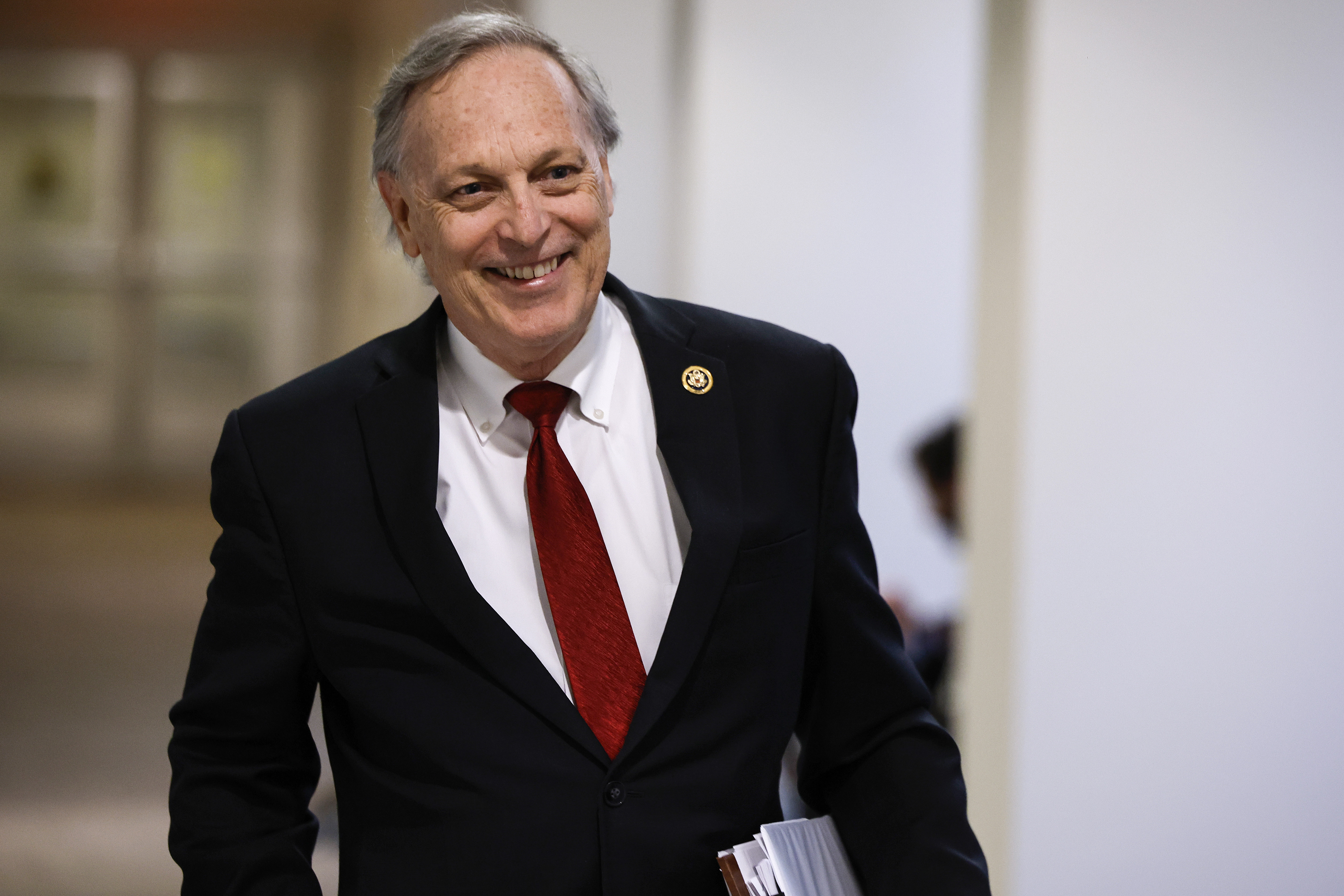

Four Republicans are facing off to win their party’s nomination in Arizona’s gubernatorial primary on July 21. The GOP winner will go up against Democratic incumbent Gov. Katie Hobbs in the general election this fall.
Hobbs, the unopposed candidate on the Democratic ticket, is seeking her second term after flipping the seat blue in 2022 by a razor-thin margin of less than 1 percent.
But the Democratic celebration in the swing state did not last long, as President Donald Trump won 52.2 percent of the Arizona vote and beat Vice President Kamala Harris in the 2024 presidential election.
Republicans hope they can keep the momentum reignited by Trump, but it will be a tight race—Cook Political Report predicted that the contest may still lean left in the midterm election, keeping Hobbs in office.
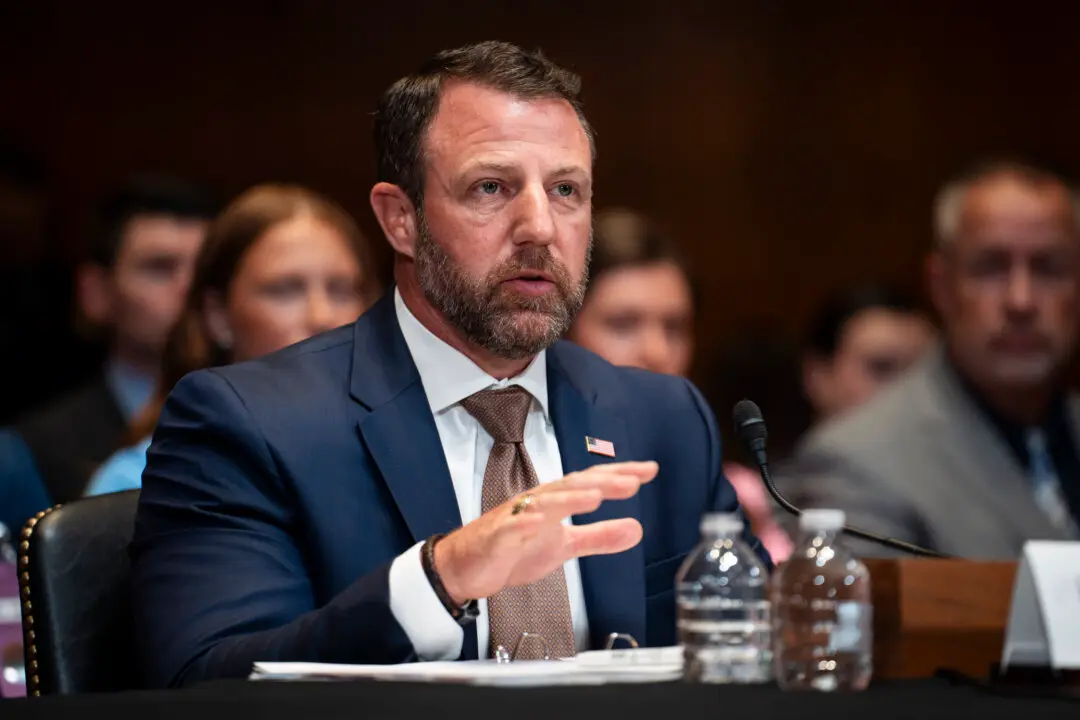
Republicans seeking the nomination include U.S. Rep. Andy Biggs, U.S. Rep. David Schweikert, businessman Ken Miceli, and entrepreneur Scott Neely.
Biggs, who is endorsed by Trump and Turning Point CEO Erika Kirk, has a strong lead and is expected to get 46 percent to 56 percent of the vote in the Republican primary, according to polling by Nextgen P, Noble Predictive Insights, and Stealth Analytics.


Schweikert is in second, with just around 10 percent of voter support, according to polling by the same outlets.
Other candidates include the Green Party’s Risa Lombardo and independents Teri Hourihan and Hugh Lytle.

During the June 17 primary debate, candidates shared their vision for Arizona.
Front-runner Biggs stood by his ambitious proposal to eliminate the state income tax, which would entice businesses to move to—or stay in—Arizona rather than base their headquarters in states with no income tax, such as Texas, Tennessee, and Florida.
Biggs suggested that if a state income tax were eliminated, services would not likely have to be cut because Arizona can recover the money stolen in fraud schemes, noting recent criminal charges filed against people who allegedly tried to defraud Medicare, Medicaid, and other federal health care programs of over $1.2 billion.

Neely agreed that the tax system could be changed, but suggested the state keep its 2.5 percent flat income tax while cutting taxes for “businesses across the board” and eliminating property taxes for those 65 and older.
“I think it’s about time senior citizens get a break on property tax, a permanent break, so they can finally own their home outright,” Neely said at the debate.
Miceli said he wanted to reduce property taxes by 50 percent during his first year and waive all property taxes by his second term.
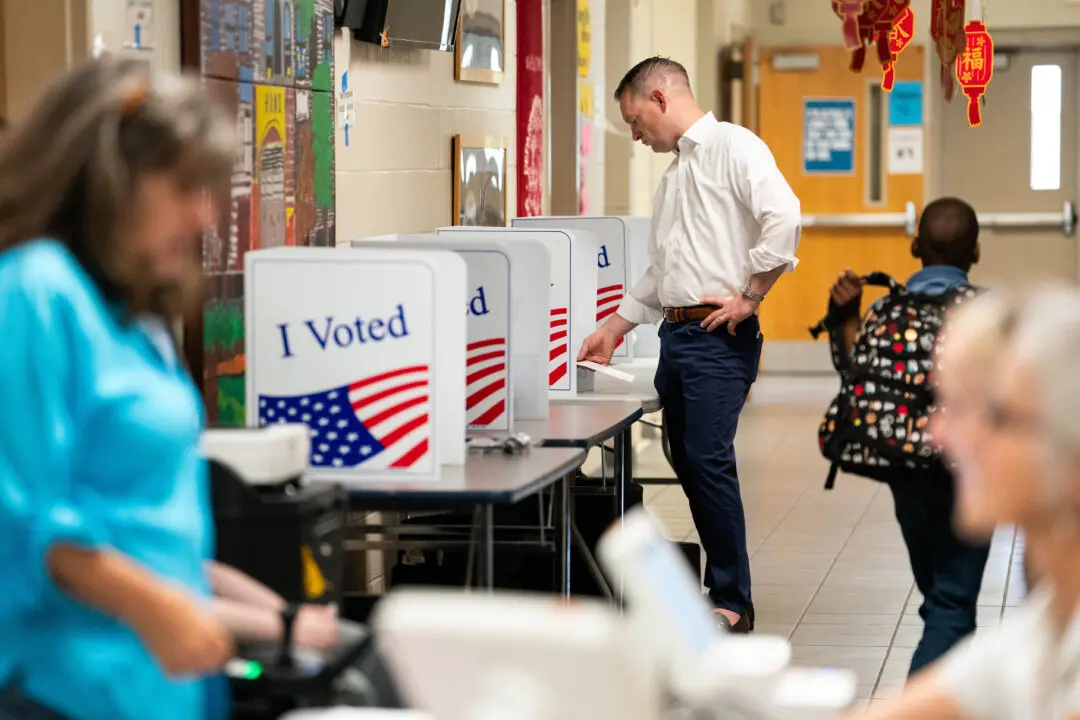
Election security is also one of the top issues this year.
The candidates suggested the current system needs improvement, but they had different approaches.
Neely proposed a “one day, one vote, on paper, in person” voting system.

Schweikert suggested that Arizona voters support the mail-in ballot system but voiced concerns about ballots being sent to dead people and said updates need to be made to confirm voter identification, whether it’s with signatures or through photos.
Biggs, who questioned the results of the 2020 presidential election that sent Joe Biden to the White House over Trump amid allegations of election fraud, said the state needs to make reforms to detect fraud and suggested Arizona follow Florida’s lead on voter integrity.
Miceli suggested using biometrics to prove that voters are alive and eligible to vote.
Other issues in Arizona include water supply after decades of drought and rapid losses of groundwater in the Colorado River Basin, according to an Arizona State University researcher’s analysis of NASA data between 2002 and 2024.
Neely suggested building a 75-mile pipeline from the Gulf of California to Yuma and developing mini-desalination plants to “tap over 600 million acre-feet of in-state brackish water.”