A synthetic opioid derived from the kratom plant sold in gummies, tablets, and drink mixes is slated to be restricted because of concerns that it has a serious potential for abuse.
The Department of Health and Human Services (HHS) announced the recommendation on June 29, stating that the 7-OH should be scheduled under the Controlled Substances Act because of its ability to bind to opioid receptors, which makes it a pain reliever that can be more powerful than morphine.
What Is 7-OH?
A variety of products contain 7-OH, including gummies, drink mixes, and shots. While the substance occurs naturally in kratom, it is in trace amounts.A product also known as 7-hydroxy, 7-OHMG, and “7,” 7-OH is a powerful psychoactive compound added to products in concentrated amounts and, according to the FDA, falsely marketed as kratom. The agency stated that it is “engineered to be addictive” and is a “potent opioid by design.”
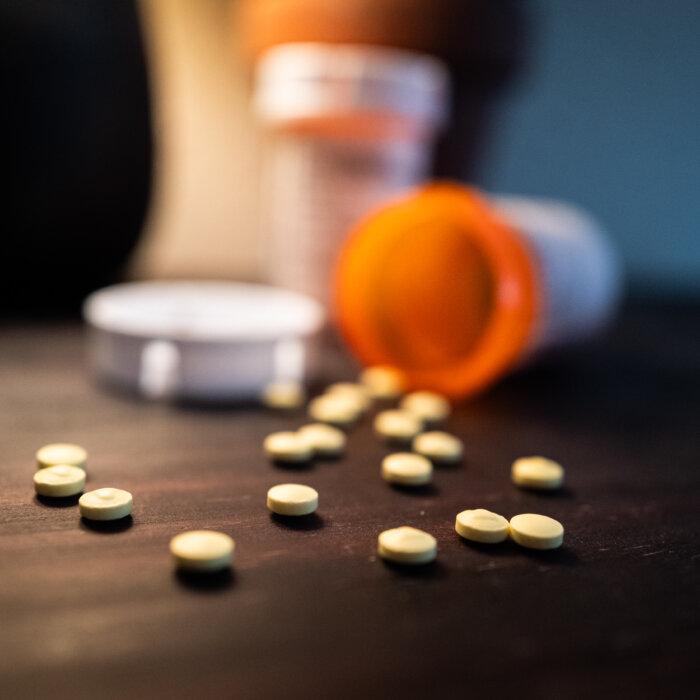

“7-OH is an opioid that can be more potent than morphine,” FDA Commissioner Marty Makary said. “We need regulation and public education to prevent another wave of the opioid epidemic.”
Kratom itself is a plant native to Southeast Asia that has been used by consumers to treat pain, anxiety, and even drug dependence.
The availability of 7-OH in products has been a concern of the FDA because it can be purchased online and in local corner stores and vape shops. The department is particularly concerned about the availability to children and teenagers.
Health Risks
Due to the ability of 7-OH to bind to the opioid receptors in the brain, it has highly addictive potential, according to a statement by HHS.“The FDA is particularly concerned with the growing market of 7-OH products that may be especially appealing to children and teenagers, such as fruit-flavored gummies and ice cream cones,” the statement reads. “These products may not be clearly or accurately labeled as to their 7-OH content and are sometimes disguised or marketed as kratom.”
Health and Human Services Secretary Robert F. Kennedy Jr. said when announcing the recommendation for 7-OH restrictions that he spoke with Attorney General Pam Bondi and members of the Drug Enforcement Administration (DEA) just days before the announcement and discovered the product was spreading to vape shops around military bases, near schools, and in low-income neighborhoods.
Government Actions
The agency’s recommendation on a new classification for 7-OH will be reviewed by the DEA, which sets the federal rules for high-risk ingredients, including both prescription medicines and illicit substances.If the agency decides to enact a national ban, it wouldn’t take effect until the agency finalizes new rules that would govern the ingredient.