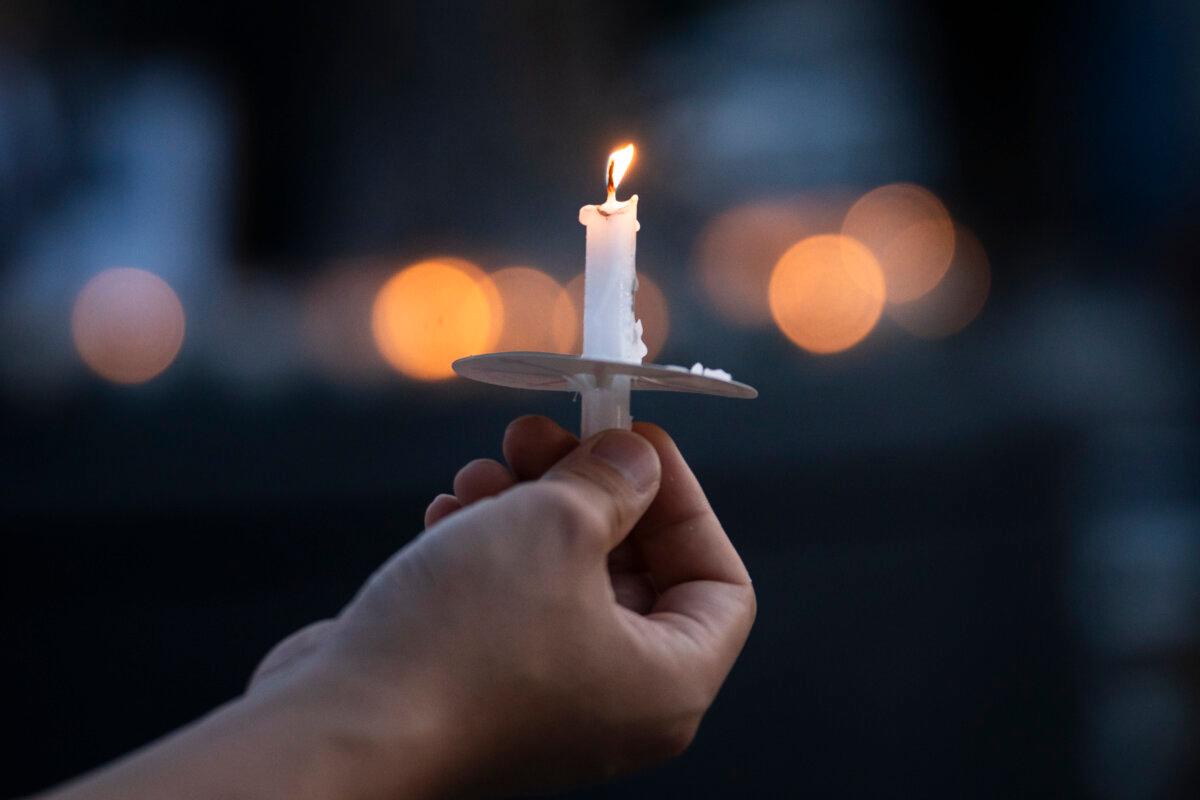
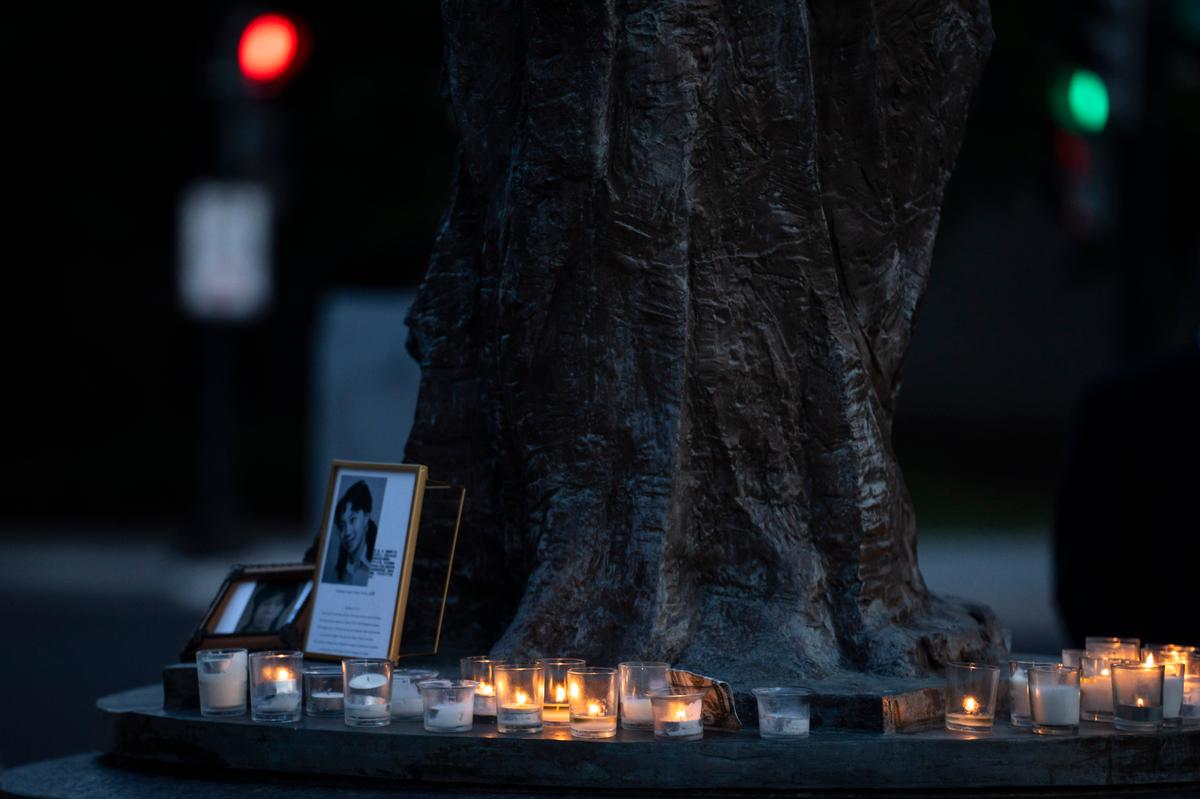
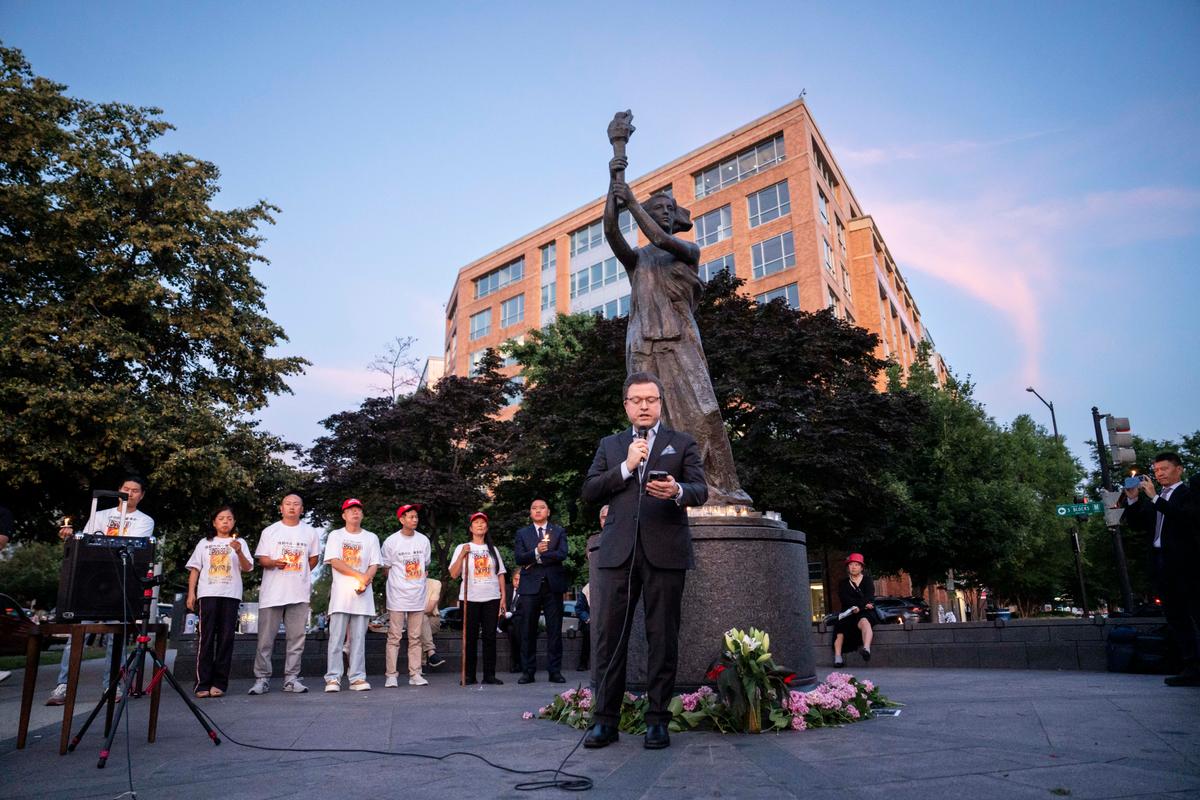
At the foot of the statue, pink hydrangea flowers and white lilies were scattered. Above that on the pedestal, more candle flames swayed.
“To those who love liberty,” the statue’s inscription reads, in part.
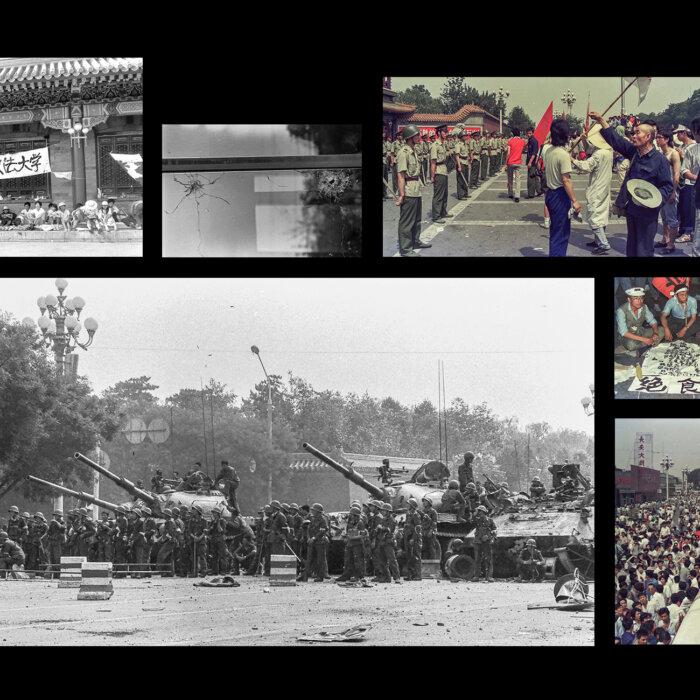
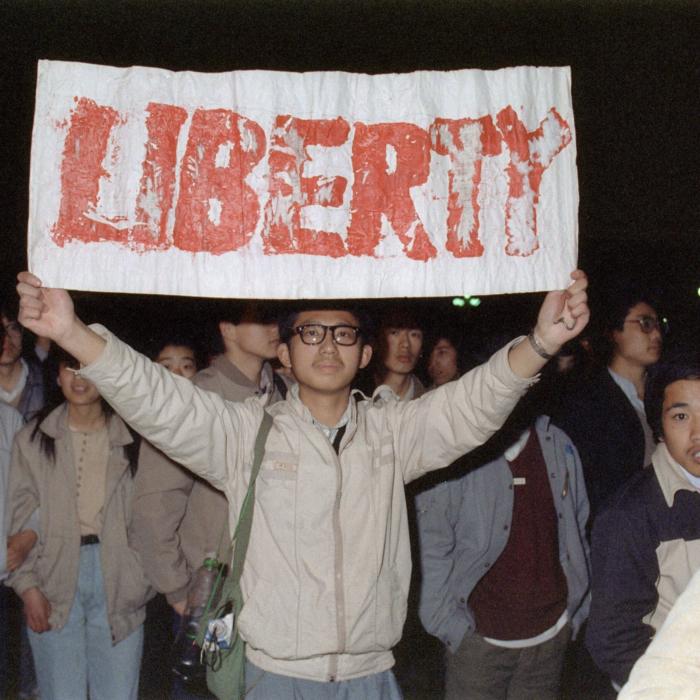
On that day 37 years ago, thousands of people are estimated to have died under tanks and gunfire. The massacre remains a heavily censored topic in mainland China. Every year around the anniversary, the Chinese regime steps up surveillance and arrests nationwide.
By gathering now and remembering, participants make clear that coercion and dictatorship cannot win.
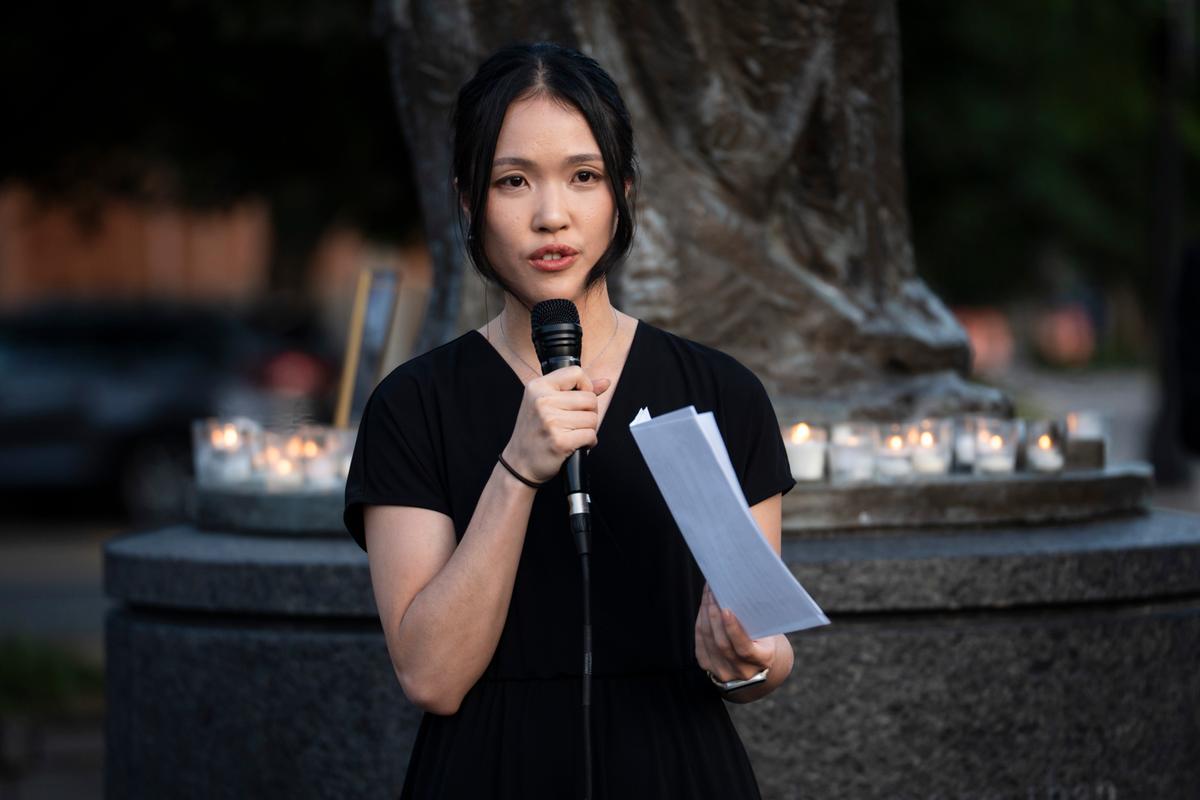
“We ourselves are the candles that the CCP cannot blow away. Our minds are the vigils that they cannot shut down,” Joey Siu, spokesperson for Amnesty International Hong Kong Overseas, said at the vigil. CCP is the acronym for the Chinese Communist Party.
But the flame didn’t die.
“It crossed an ocean, it found its way to this square, to this city, to this very night,” Frances Hui of the Committee for Freedom in Hong Kong Foundation told attendees.
“Beijing made a calculation; they believed that if they could blow out the candles, they could blow out our memory. [They were] wrong.”
Holding Up the Lights
Memory is a “very, very powerful vector,” which is why the Chinese authorities are trying hard to erase it, Siu told The Epoch Times.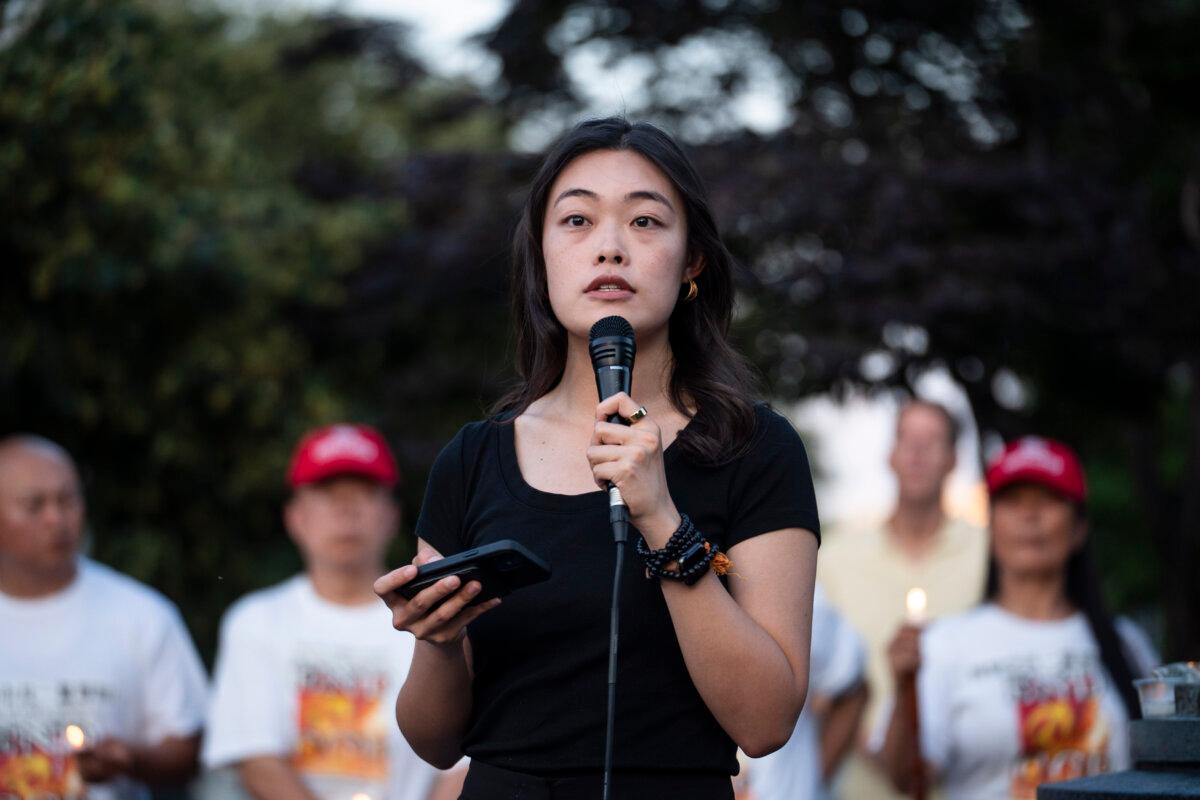
The Tiananmen bloodshed remains a vivid reminder that “the CCP does not care about its people,” and that the regime will “go as far as putting their weapons against its own people” when they call for freedom, Hui told The Epoch Times.
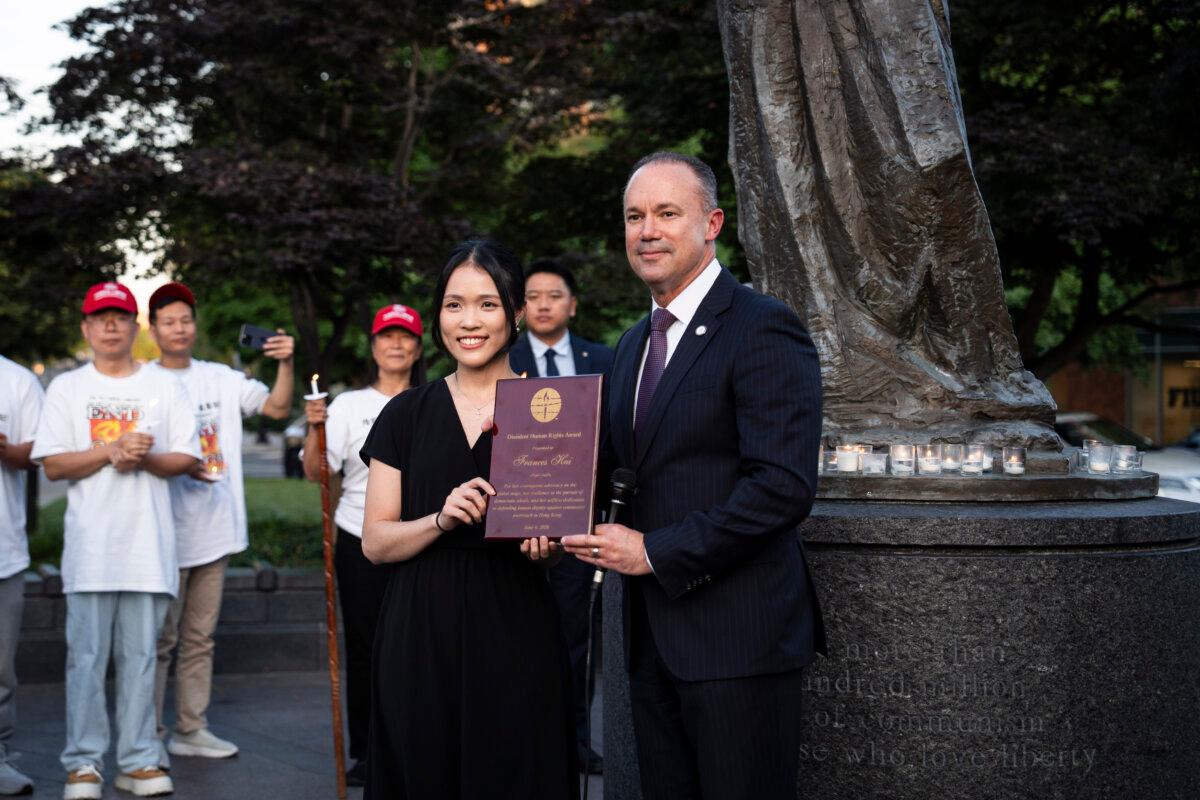
Hui was the honoree of the memorial foundation’s 2026 Dissident Human Rights Award.
Born 10 years after the Tiananmen massacre, Hui learned about the killing around the age of 10. That year, she went with her parents to the Victoria Park vigil, standing in a sea of lights and faces of people she had never met but who had all gathered there for the same reason.
That freedom seemed ordinary then, but she knows now that “ordinariness” is a privilege that carries responsibility, she said in a speech.
She said getting the award was “deeply humbling.”
She’s now here to “hold their lights up a little higher,” she said.
‘Chapters of the Same Story’
The vigil attendees said the fight is ongoing.Jan Jekielek, senior editor at The Epoch Times, said decades of the U.S. policy of engagement have contributed to this trend.
As Washington tells itself the “comforting story that trade and money would change China” and liberalize the regime, the opposite happened, Jekielek said at the event.
“The Chinese Communist Party changed us,” he said. “It made us economically dependent on a system built on lies, on repression, and on brutality.”
And the persecutory machinery the regime uses on its targets—be it Falun Gong practitioners, Uyghurs, or house Christians—has only expanded as the world turned away, he said.
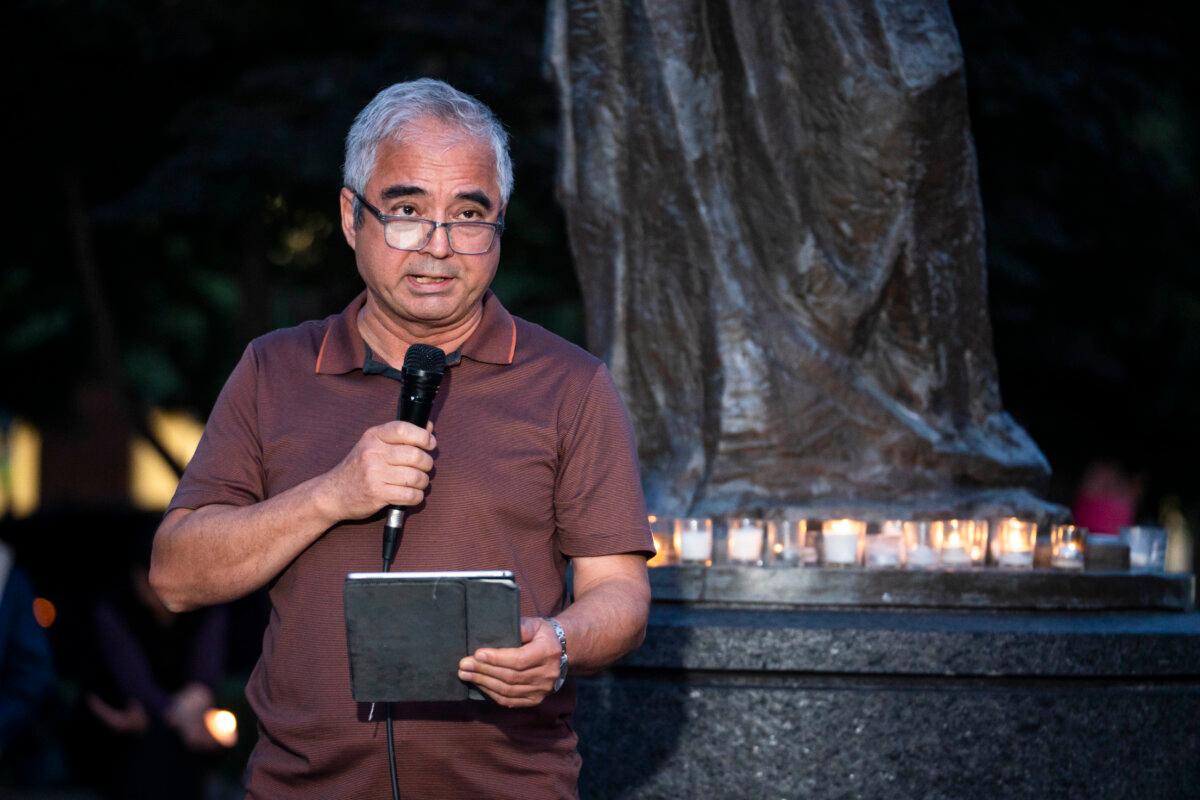
Ilshat Kokbore, research director at the Center for Uyghur Studies, echoed Jekielek’s point.
In 1989, Kokbore was working as a teacher in Xinjiang. He recalled feeling excited and hopeful that China would have a freer future.
“The Chinese Communist Party chose tanks over dialogue, bullets over reform, and fear over hope,” he said.
He added that the Tiananmen clampdown and the mass suppression of Uyghurs in Xinjiang are “chapters of the same story.”
“The same political system that crushed peaceful demonstrators in Tiananmen has developed increasingly sophisticated tools of surveillance, censorship, mass detention, and social control,” he said.
Legacy of Tyranny
The massacre also got a spotlight in Congress.Rep. John Moolenaar (R-Mich.), chairman of the House Select Committee on the CCP, said that the CCP chose to crush the student-led protests because it was “weak and scared.”
“Its broken ideology believes free expression must be oppressed. It does not have confidence in its ideas, it denies the existence of faith, and it censors the truth,” Moolenaar said.
Committee member Rep. Raja Krishnamoorthi (D-Ill.) held up a board showing the iconic Tank Man, a white-shirted Chinese man standing in the way of advancing tanks.
“This is the picture of courage,” he said.
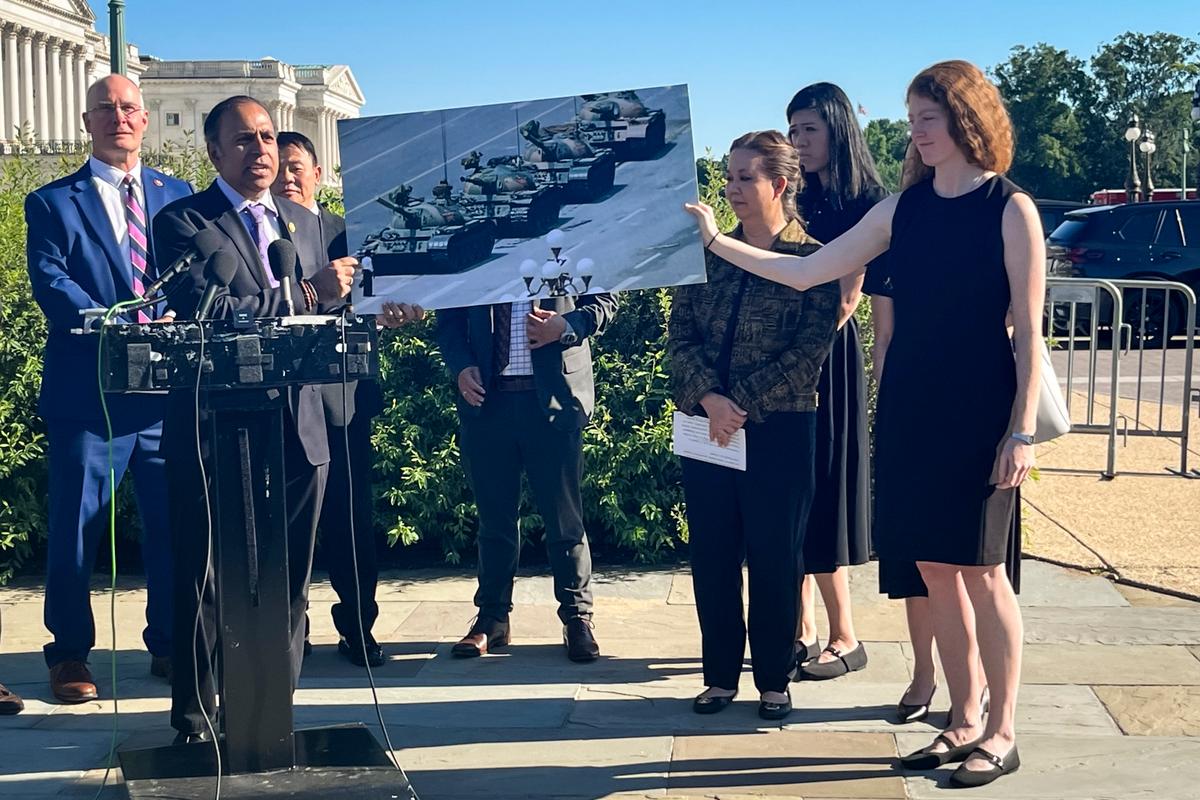
He then flipped the board over, revealing its blank side.
“This is what China wants you to remember about June 4, 1989: nothing—nothing,” he said. “No, we are not going to forget.”
To the regime, it all comes down to control, said Piero Tozzi, senior director for China policy at the America First Policy Institute.
“If you erase history, people are easier to control. They’re malleable if you make them content with pleasures of the moment,” he told The Epoch Times. “It distracts them.”
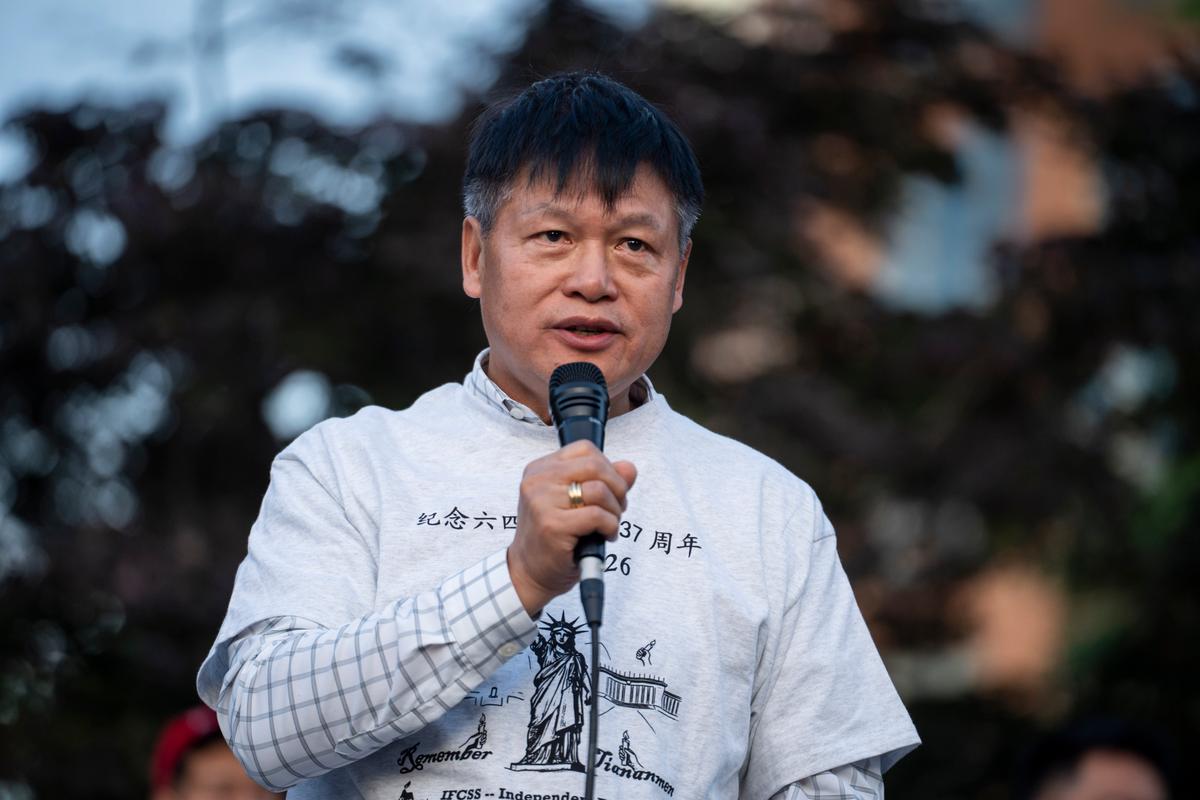
“The Communist Party’s history is a history of repression,” Arthur Liu told The Epoch Times.
But the spirit of June 4 lives on, said Siu.
When authorities banned Victoria Park vigils, people wore black t-shirts on the streets, held candles, or simply stood outside the park, using what powers they have to creatively resist coercion, she said.
She said she hopes that the memories of the tragedy can now turn into fuel for actions.
It can be as small as lighting a candle at home, talking to friends about it, or sharing a story on social media, she said.
Small or big, she said, “just do something.”
Tozzi, like the others, believes in perseverance.
He recounted “Ozymandias,” a poem by Percy Bysshe Shelley describing a colossal statue built in tribute to a tyrant.
“Now it lies there in the sand,” he said.
“That’s going to be the legacy of Xi Jinping and other tyrants.”