
For the coming Nov. 4 general election, voters across the country will weigh in on a range of statewide ballot questions—from adopting a temporary congressional district map to enshrining in the constitution a citizenship requirement for voting.
California: Redrawing Congressional Districts
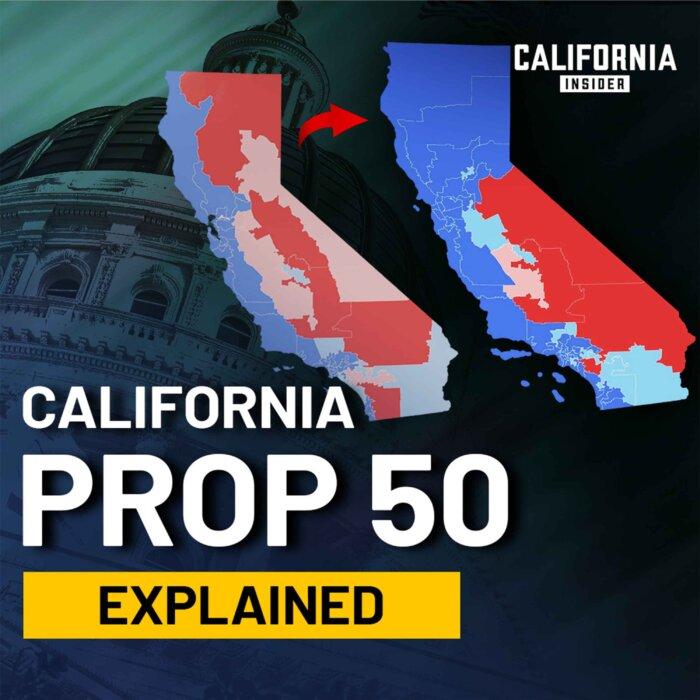
In California, Proposition 50 asks voters whether the state should temporarily bypass its independent redistricting system and adopt a new, legislature-drawn congressional district map for elections through 2030. The map would replace the one created by an independent citizens’ commission in 2021.Under the new map, five Republican-held districts would shift toward Democrats, based on the results of the 2024 presidential election. The change is seen as an effort to offset the Republican Party’s mid-decade redistricting push in Texas, which added five Republican-leaning seats ahead of the 2026 midterms.
The outcome of Proposition 50 could influence which party controls the closely divided U.S. House and, by extension, whether Democrats can hamper President Donald Trump’s agenda in the latter half of his term.
California Gov. Gavin Newsom, who championed the proposal, defended the plan during a virtual event with former President Barack Obama on Oct. 22.
“We’re fighting fire with fire,” Newsom said. “We move forward in a way that I don’t think the president or members of Congress expected, and that is, we move forward by putting the maps, not only through the California legislature with two-thirds of their support but now in front of the voters in the most transparent and democratic way possible.”

Former California Gov. Arnold Schwarzenegger, who helped create the Golden State’s independent redistricting system, has called Proposition 50 a “big scam.” Former U.S. House Speaker Kevin McCarthy has joined him in urging a “no” vote.
The California Farm Bureau, representing about 26,000 farmers and ranchers statewide, is also campaigning against the measure. The group stated that the proposed map would split key agricultural regions and combine them with more urban areas.
Maine: Voter ID and Red Flag Law
In Maine, voters get to decide on two high-profile questions related to their voting and gun rights.A “yes” vote on the first question would support requiring Maine voters to present photo identification for both in-person and absentee voting, joining 24 states with similar laws. It would also limit municipalities to one ballot drop box, require bipartisan teams to collect ballots from drop boxes, and end the option for disabled and senior voters to automatically receive absentee ballots for every election without a new request.
The second question asks Mainers if they want to replace Maine’s current “yellow flag” gun law with a “red flag” law. Under the existing system, police must first take a potentially dangerous individual into protective custody for evaluation before petitioning a court to suspend their gun license and remove their weapons. The proposed red flag law has fewer steps in the middle, allowing relatives or roommates to petition courts directly for emergency gun-removal orders.
Texas: Enshrining Citizenship Requirement to Vote
In Texas, voters will decide whether to amend the state constitution to explicitly ban all noncitizens from voting. The measure, Proposition 16, would add the phrase “persons who are not citizens of the United States” to a list of those ineligible to vote in Texas elections.While state law already restricts voting to U.S. citizens, supporters of the amendment say enshrining the rule in the state constitution would better safeguard the rule from being revoked, considering that any future change would need a two-thirds majority vote in the legislature and subsequent voter approval through another constitutional amendment.
Recent elections in several states—including swing and Democratic-leaning ones—have seen voters approve similar constitutional amendments. For example, about 70 percent of Wisconsin voters backed a citizenship requirement in 2024.