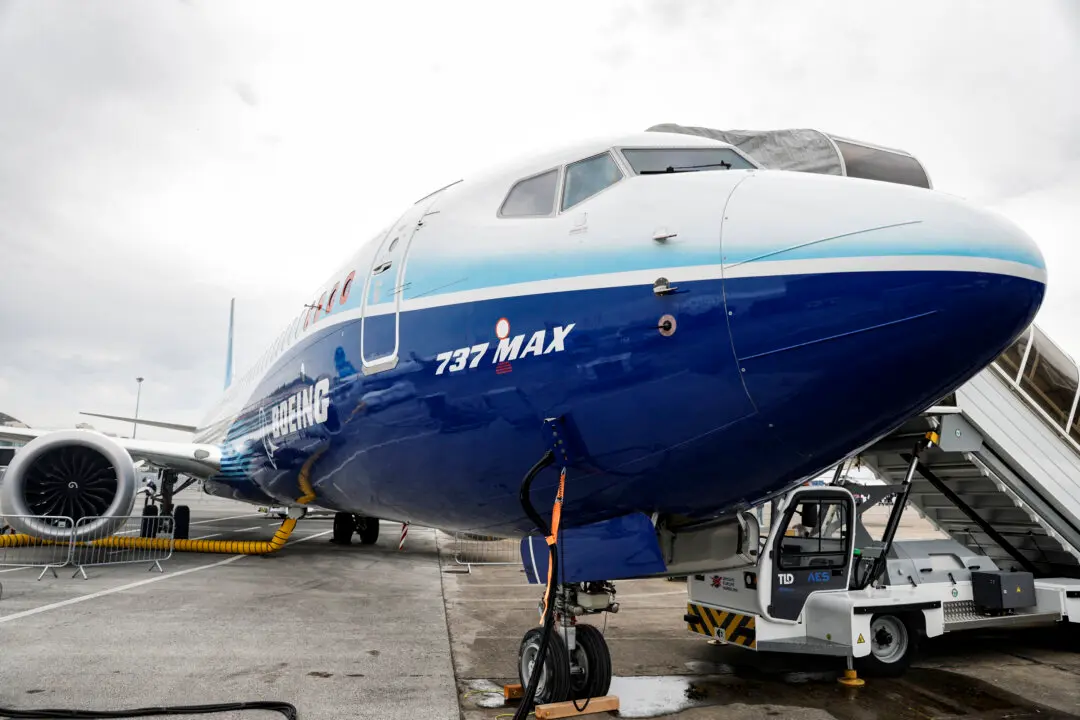
Boeing is selling its flying-taxi venture to Archer Aviation in exchange for a sizable stake in the startup, as the aerospace giant continues to narrow its focus toward its core aircraft businesses.
The companies said on Aug. 10 that Archer would acquire three Boeing subsidiaries: Wisk Archer, a developer of electric vertical takeoff and landing (eVTOL) aircraft; SkyGrid, a provider of air traffic management technology for air taxis; and Insitu, a drone maker.
As part of the transaction, Boeing will retain access to Wisk’s autonomous-flight technology.
According to a regulatory filing, Boeing is expected to receive a stake of about 20 percent in Archer, along with warrants and options that could allow it to buy more shares over the next four years. Boeing will also have the right to nominate a director to Archer’s board.
For Boeing, the deal sheds businesses outside its main divisions while still maintaining the company’s exposure to the emerging eVTOL market through its stake in Archer.
It marks Boeing’s latest divestiture under CEO Kelly Ortberg, who has spent the past two years working to stabilize the company and sharpen its focus on its three primary businesses: commercial airplanes, defense, and space operations.
For Archer, whose goal is to launch commercial eVTOL flights by the end of this year or early next year, the acquisitions expand the technologies it can use to make and operate air taxis.
Wisk gives Archer access to autonomous eVTOL technology that has been under development for years. SkyGrid adds airspace-management capabilities that could become crucial as air taxis move from testing into commercial service.
Insitu, whose customers include the U.S. Navy and the U.S. Marine Corps, would also broaden Archer’s presence in the defense market.
“This is a watershed moment for Archer and the future of physical AI in aerospace and defense,” Archer founder and CEO Adam Goldstein said in a statement. “This is the next big step forward in becoming a diversified platform, rapidly growing our revenue base and bringing scale to our business.”
The companies said they expect the transaction to close by the end of 2026.
Based in San Jose, California, Archer is among a group of startups racing to put paying passengers aboard eVTOLs. The electric or hybrid aircraft are designed primarily for short-distance, low-altitude travel, and can take off and land vertically like helicopters before transitioning to forward flight more like conventional airplanes.
One of Archer’s main rivals is Santa Cruz, California-based Joby Aviation. Both companies expect to begin initial U.S. operations in 2026 through the White House’s eVTOL Integration Pilot Program, which is meant to create pathways for early passenger, cargo, and emergency services as the industry moves toward broader commercialization.