The days of buying a late-model, pre-owned vehicle for less than $20,000 may soon become history, according to a new report.
The company analyzed more than 2.6 million 3-year-old used cars and found that average prices have risen by almost 41 percent since the COVID-19 pandemic.
This translates to a hike to an average price of $32,635 in 2025 from $23,159 in 2019. The largest price growth has been for passenger cars—up by 48.7 percent, while truck prices advanced by 28.8 percent and SUVs by 15.4 percent.
The Chevrolet Equinox, Honda Civic, Kia Sportage, Nissan Rogue, Toyota Camry, and Toyota Corolla are among the bestselling 3-year-old used cars no longer available for less than $20,000.
More than 70 percent of passenger cars similar to these models were priced at less than $20,000 in 2019, but today, a little more than 28 percent of 3-year-old passenger cars are in that price range, representing a 60.2 percent decline. SUVs suffered as well, with a 79.3 percent decline in affordability.
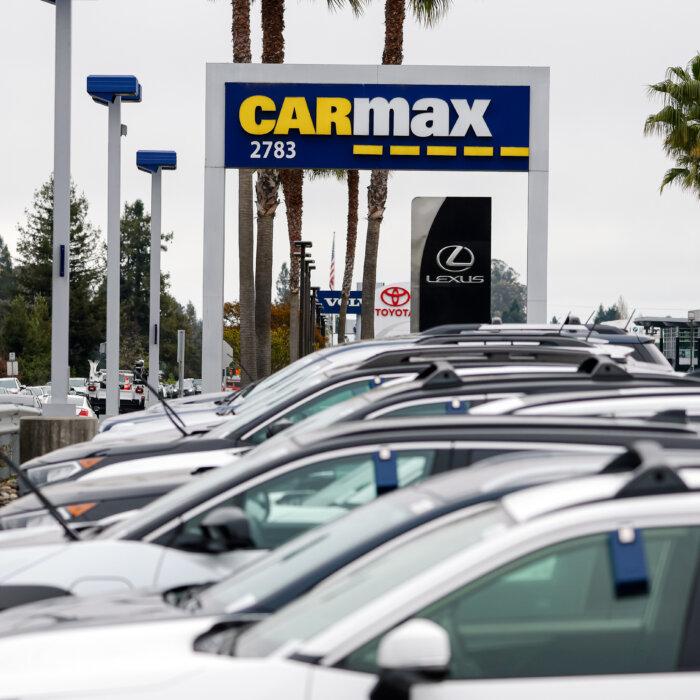
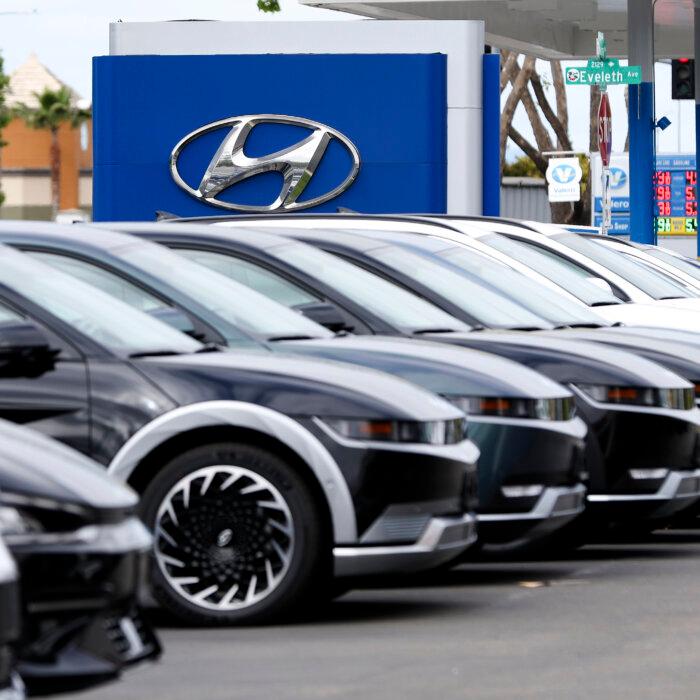
“The pandemic may be a fading memory, but the lack of new car production five years ago has created a ‘pandemic hangover’ effect for today’s used car market,” iSeeCars executive analyst Karl Brauer said in the report.
“Many car buyers are now priced out of late-model used cars, forcing them to consider older models with more miles to fit within their budget.”
Today’s consumers are paying close to $10,000 more for a 3-year-old pre-owned car, and Brauer noted that there’s no indication that costs will be coming down anytime soon.
“While these buyers had access to half of the 3-year-old used cars for sale in 2019, that same $20,000 will only buy them 11.5 [percent] of 3-year-old used cars today,” he said.
Many used car models have experienced a 25 percent or higher price increase, with the Nissan Sentra, Honda Civic, and Toyota Camry seeing the largest price hikes of up to 45.7 percent.
Analyzing the used car market in the 50 largest U.S. metropolitan areas, the Boston–Manchester, Massachusetts, region showed the largest drop in share of lower-priced vehicles, while the Miami–Fort Lauderdale, Florida, area saw the smallest drop.
Minneapolis–St. Paul, Minnesota; Hartford–New Haven, Connecticut; Austin, Texas; and Philadelphia also ranked high for loss of used cars below $20,000. Las Vegas, as well as three other Florida locations—West Palm Beach–Fort Pierce, Orlando–Daytona Beach, and Tampa–St. Petersburg—experienced some of the smallest drops in shares of affordable used vehicles.