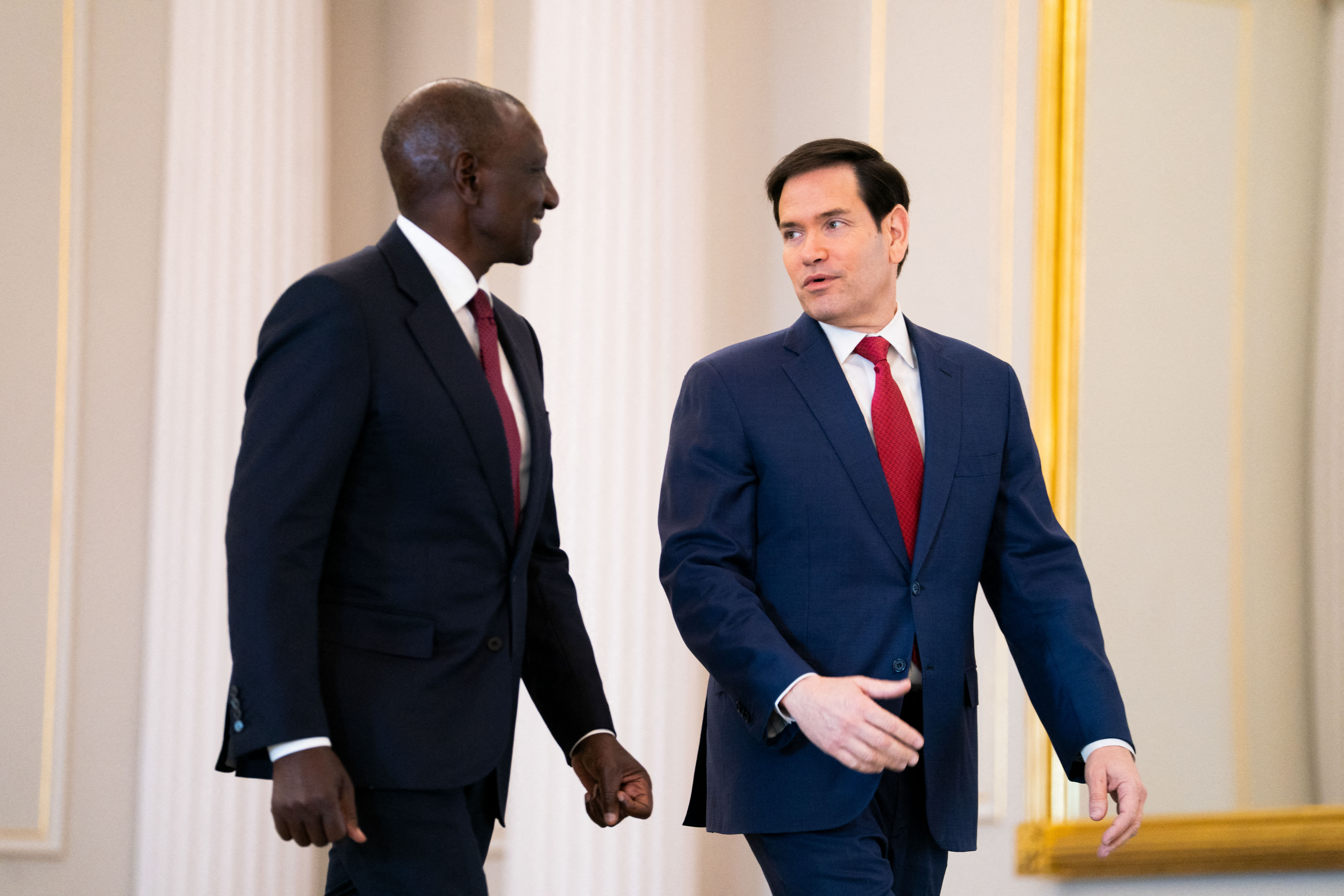

The United States recently signed five-year deals with Kenya and Rwanda—worth $2.5 billion and $228 million, respectively—to bolster the two East African nations’ health care systems in the first two agreements signed within U.S. President Donald Trump’s new overhaul of foreign aid.
What Is the ‘America First Global Health Strategy’?
The State Department stated, “[The America First Global Health Strategy] will protect the homeland by preventing infectious disease outbreaks from reaching U.S. shores; strengthen our bilateral relationships by entering into multi-year, bilateral agreements that require co-investment from recipient governments, saving millions of lives and moving countries along the path to decreased dependency on foreign assistance; and promote American health innovation around the world.”The main intention is to promote “self-reliance” in nations that previously received significant funding from the United States, particularly in infectious disease mitigation.
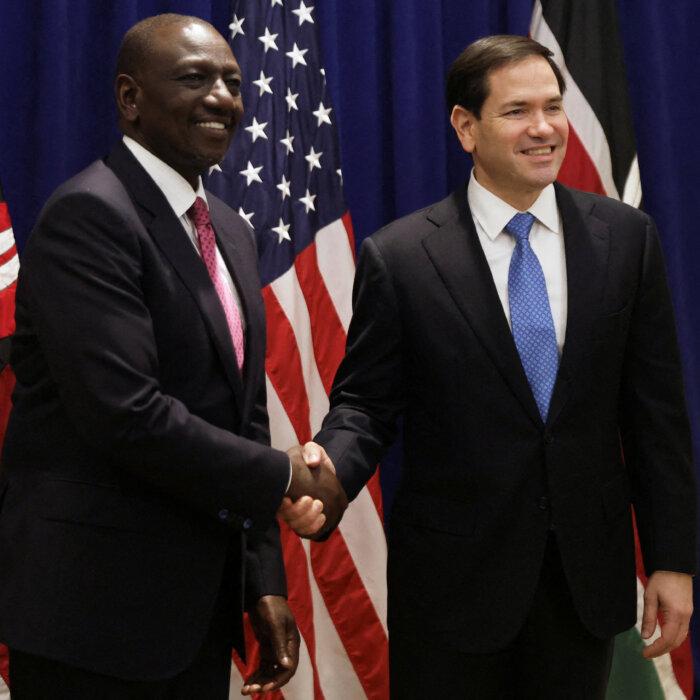
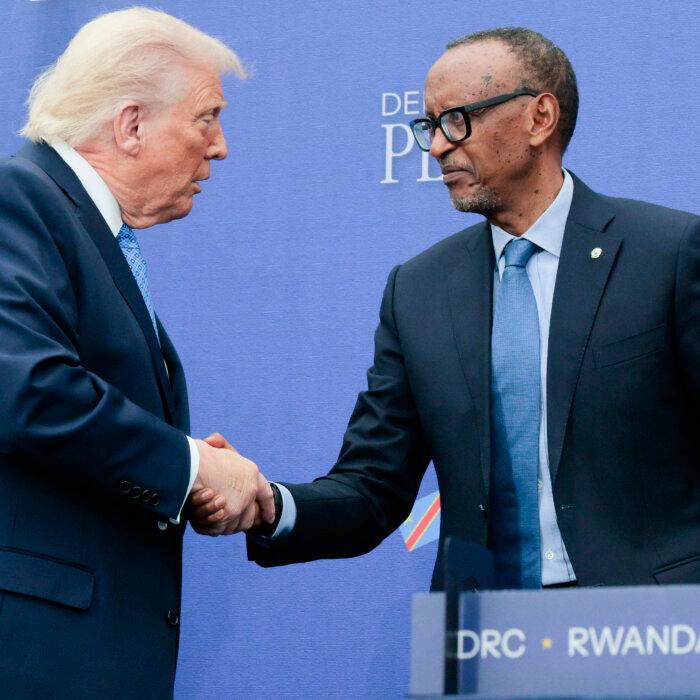
The 40-page initiative, which begins with an opening letter from Rubio, cites the United States’ history of offering billions of dollars to combat infectious disease outbreaks worldwide and states that “there is much to be proud of” in the lives saved and the impact made but that U.S. foreign health care assistance programs “have become inefficient and wasteful” and have contributed to a “culture of dependency among recipient countries.”
Therefore, the new strategy is aimed at keeping the United States as “the world’s health leader and the most generous nation in the world,” but the funding will prioritize direct benefits to Americans while promoting U.S. interests, Rubio said.
Total Value of Both Deals
Under Kenya’s deal, signed on Dec. 4, the East African nation will increase its health spending by $850 million over the next five years, while the United States offers $1.6 billion in funding for programs that tackle HIV/AIDS and “infectious disease outbreak response and preparedness.”Similarly, Rwanda will receive $158 million from the United States for combating infectious diseases and viruses while boosting its investments into its own health care industry by $70 million over the next five years.
US Still Fighting HIV, Infectious Diseases
As Rubio pointed out in his letter introducing the America First Global Health Strategy, a significant portion of past U.S. foreign aid has gone toward fighting HIV/AIDS overseas; the President’s Emergency Plan for AIDS Relief alone saved 26 million lives and prevented 7.8 million babies from being born with HIV/AIDS since it began in 2003.Part of Kenya’s funding is aimed at supporting a “scale-up” of the nation’s health data systems to make sure “key programmatic data for HIV/AIDS, [tuberculosis], malaria, polio, and disease outbreaks can be tracked at scale over the long-term; this includes accelerating the national rollout of Kenya’s electronic medical record systems,” according to the State Department.
“This partnership builds on that progress by moving away from parallel NGO delivery systems, investing in cutting-edge health infrastructure, fostering greater national ownership over health delivery systems and frontline workers, and putting Rwanda on an accelerated path to a more durable, responsive, and sustainable health system, including Rwanda taking over full control of its HIV/AIDS response by year four of the partnership,” the State Department stated.
Private Sector: Drone-Delivery Start-up Involved
The State Department said its deal with Rwanda builds on the agency’s November award to Zipline International Inc. to support the development of “American-made advanced robotics” for delivering life-saving medical goods.As the earliest adopter of the company’s technology in Africa, Rwanda will operate and maintain the “cutting-edge supply infrastructure funded by U.S. assistance.”
Zipline now flies in five African nations: Rwanda, Ghana, Nigeria, Kenya, and Côte d'Ivoire.
Additionally, the State Department is providing $10 million to U.S. tech company Ginkgo Bioworks to expand its disease outbreak surveillance in Rwanda and develop a biothreat radar system to monitor future outbreaks across the larger region.
“The arrangement also outlines several health areas where Rwanda is interested in additional U.S. private sector partnership and investment, including developing next-generation HIV treatments and deploying artificial intelligence (AI) for healthcare,” the agency said.