A proposed $7.25 billion settlement to resolve thousands of lawsuits that allege Bayer’s Roundup weedkiller causes cancer received initial approval from a state court judge in Missouri on March 4.
St. Louis-based Judge Timothy Boyer gave preliminary approval to the settlement that the German-based agrochemical company proposed last month. Bayer negotiated the deal with lawyers seeking to represent a nationwide class of plaintiffs accusing the company’s Roundup weedkiller of causing their non-Hodgkin lymphoma.
The settlement aims to resolve the majority of roughly 65,000 claims that are still pending in federal and state courts. The judge declined a request to delay ruling by other attorneys who asked for additional time to review the proposal.
While he said the proposed settlement was “significant,” Boyer said he will wait until a July hearing to decide whether to give final approval so he has more time to hear objections from those impacted.
Bayer has responded by highlighting studies that show Roundup and glyphosate to be safe and non-carcinogenic. The proposed settlement agreement would not require the company to admit wrongdoing or liability.
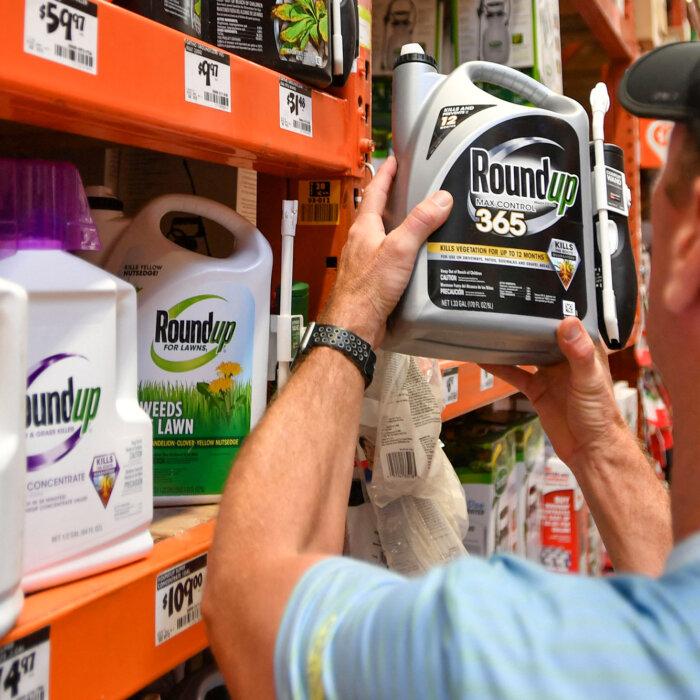
Roundup became a Bayer asset after the company purchased the agrochemical-giant Monsanto in 2018 for $63 billion.
The settlement deal requires the “vast majority” of plaintiffs suing Bayer to participate, the company’s chief executive Bill Anderson told investors during a call when the deal was proposed. Bayer could back out of the settlement if too many plaintiffs refuse.
The judge’s initial approval of the deal also triggers a provision of the settlement that forces Bayer to pay $500 million into a fund within 10 days to pay for expenses—including notifying class members of the proposed deal—while also creating an opportunity for them to contest it or decline participation.
Christopher Seeger, one of several lawyers who negotiated the deal and is seeking to represent class members, said in a statement that the judge’s decision is a critical step forward for the deal, which comes as the Supreme Court considers a case that could impact any ongoing litigation against Bayer.
Late next month, the high court will hear arguments in that case. If justices agree with Bayer that federal law determines what pesticide manufacturers are required to put on their labels, their ruling could significantly limit the scope of litigation against the company.
Bayer has argued that the Environmental Protection Agency has not found carcinogenic risks from glyphosate and therefore it is not required to include that type of warning on Roundup’s label.
The proposed settlement would create a program to pay claimants 21 years and older. It aims to resolve claims not just from alleged victims who have already sued, but also from people diagnosed with cancer in the future who experienced Roundup exposure before the deal was announced.
Of the law firms that have stepped forward to represent claimants, two groups representing more than 20,000 people accusing Bayer of Roundup-related harms urged the judge to wait before granting preliminary approval of the deal. They expressed concerns about the settlement limiting how people exposed to glyphosate—but not yet diagnosed with cancer—could sue.
The judge said Wednesday that attorneys can request additional time during the approval process if they need it.
Law firm Napoli Shkolnik PLLC is “concerned that this decision will unnecessarily prolong the claims process and materially delay the delivery of fair compensation and justice to the thousands of victims who have suffered life-altering injuries from Monsanto’s Roundup,” attorney Paul Napoli said in a statement.