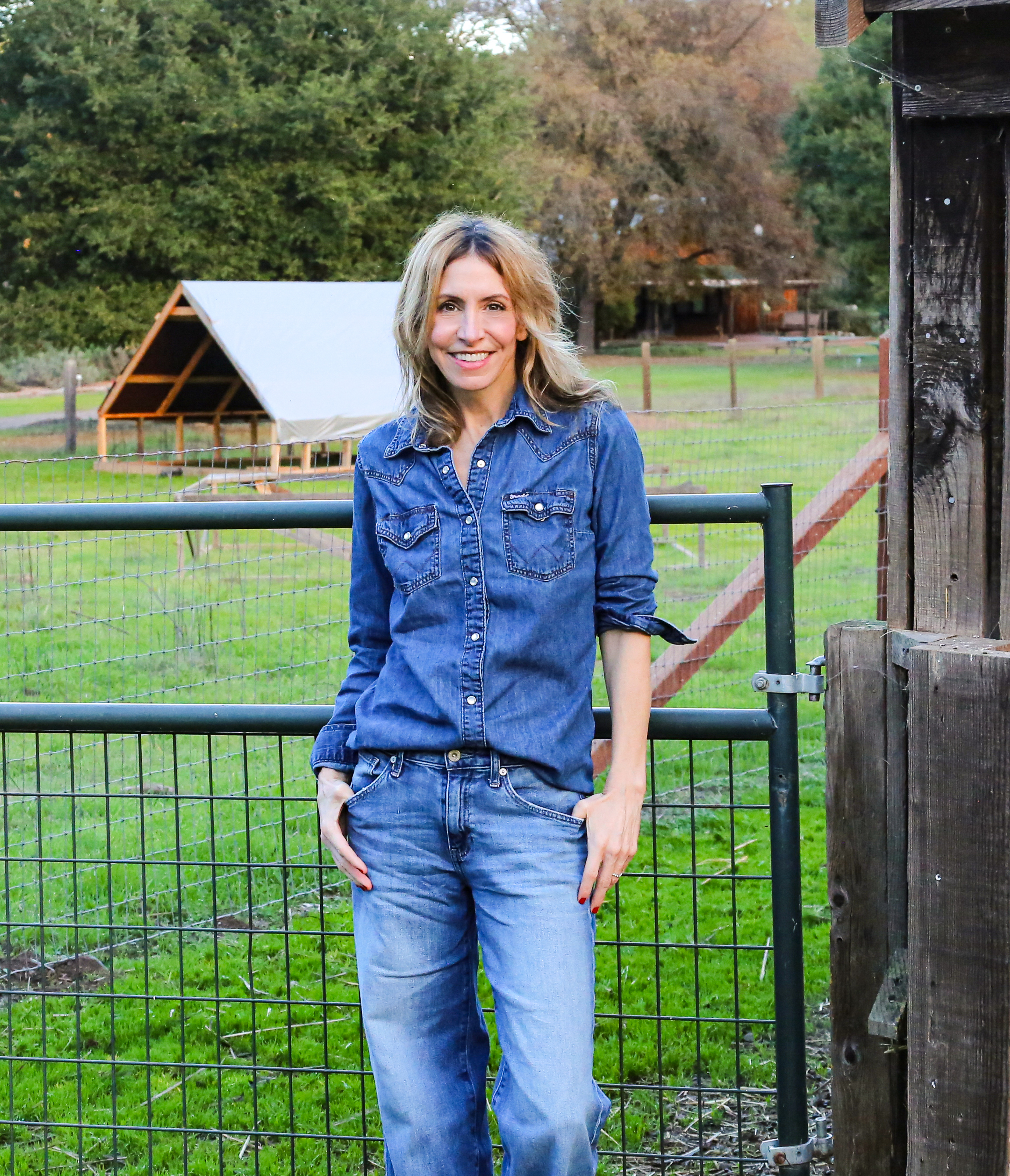

“Glyphosate and all chemicals and pesticides are definitely a problem. I would like to see glyphosate banned from pre-harvest spray, and in public places and schools,” Ryerson told The Epoch Times.
“But farmers cannot change their decades-long dependence overnight. Losing access to glyphosate could lead them to use even more toxic replacement chemicals.
“We’re on a pesticide treadmill. Encouraging regenerative agriculture is the solution.”
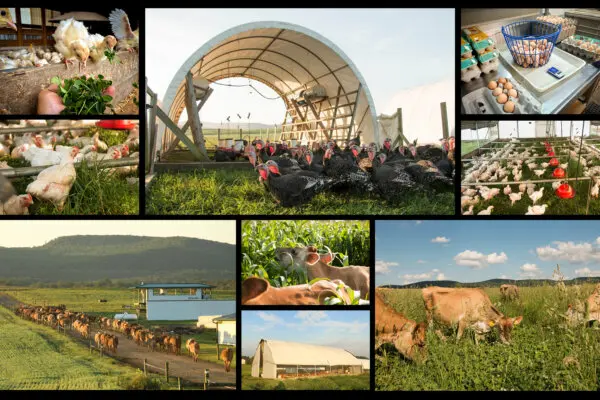
Regenerative farming methods prioritize building and preserving healthy soils, avoiding synthetic fertilizers and pesticides, with minimal or no tilling.
Under the new program, farmers can receive direct payments, cost-sharing, and technical support when they implement cover cropping, reduced tillage, diversified crop rotations, improved grazing systems, soil biology-focused inputs, and other regenerative farming techniques.
The intent is to help farmers offset short-term costs and risks that accompany the transition from conventional to regenerative agriculture.
Throughout history, a variety of pesticides have been used.
After World War II, chemicals that were manufactured and used during the war were repurposed for agriculture. The insecticide DDT was introduced into U.S. agriculture in 1946.
In 1970, Monsanto chemists Phil Hamm and John Franz identified glyphosate’s herbicidal activity and patented it for use as a herbicide in 1971.
The product, Roundup, was first sold commercially by Monsanto in 1974.
In 1996, Bayer/Monsanto launched Roundup Ready genetically modified seeds, developed specifically so crops would be resistant to Roundup.
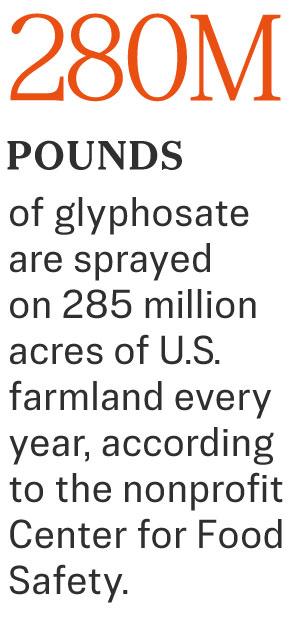
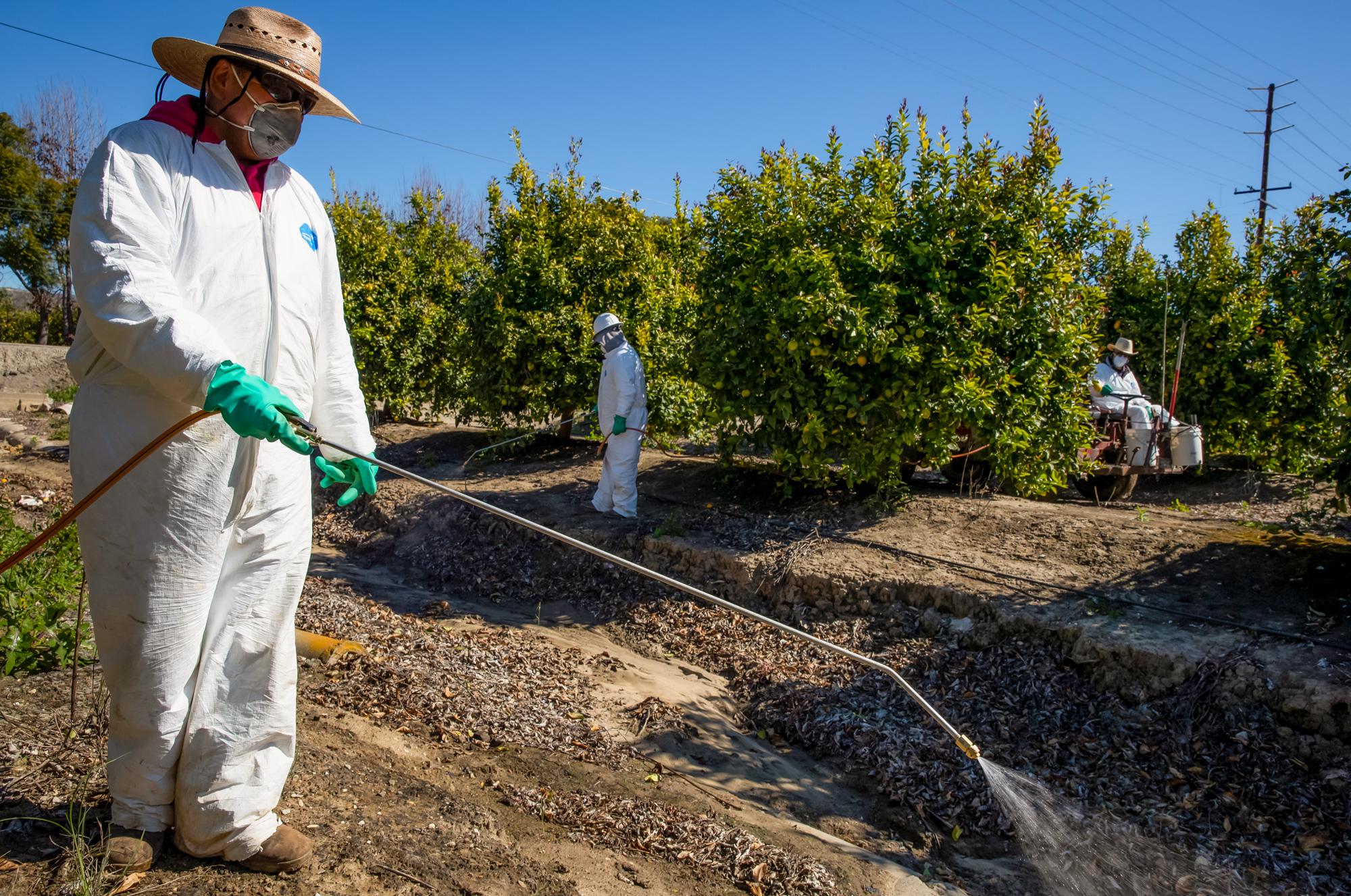
The use of glyphosate accelerated because farmers widely adopted the seeds, which allowed them to spray the pesticide on crops to kill weeds.
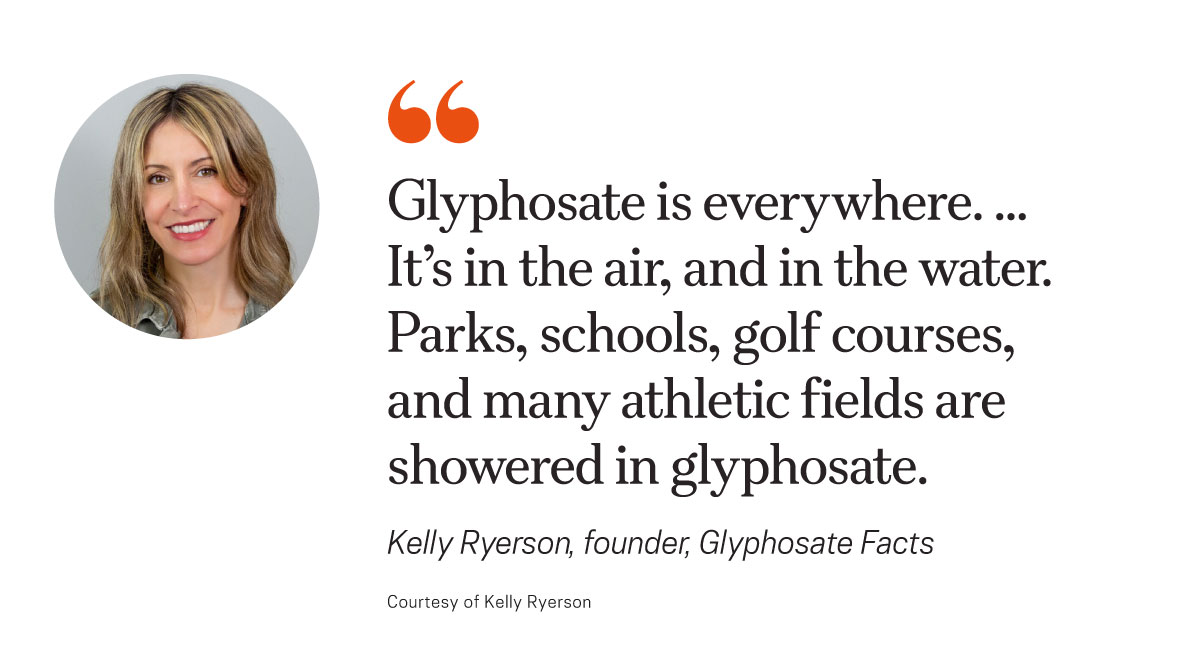
“Glyphosate is everywhere,“ Ryerson said. ”It is in nearly all of our non-organic food. It’s in the air, and in the water. Parks, schools, golf courses, and many athletic fields are showered in glyphosate. If it’s so widespread and common, we should do everything we can to be sure it’s safe, right?”
Long before she emerged as an advocate, Ryerson worked in investment banking, private equity, and NASA technology commercialization.
Her career path changed after years of battling chronic health issues that were reversed when she shifted to a gluten-free and organic diet.
She developed the belief that chemicals and toxins are fueling the chronic disease epidemic.
“There is one common thread, and it’s what we eat. It’s critical to change our food system so that it’s not poisoned with chemical toxins,” Ryerson said.
Ryerson attended a conference at Columbia University about the rise in gluten sensitivity. Several presenters said that they were uncertain whether the health conditions were caused by gluten. It could be something else, they surmised.
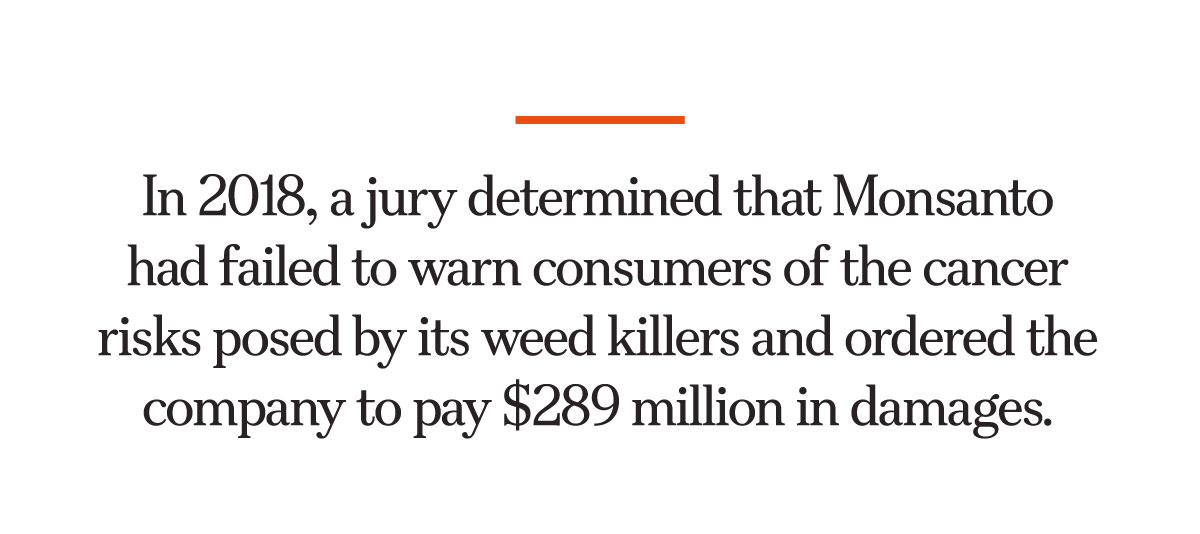
“At one of the workshops, I asked, ‘Could it be something that’s on the farm?’ They said ‘no.’ After that, a whistleblower from General Mills found me at the conference and said, ‘You should check it out because Roundup is sprayed on our oats, our wheat, and all these grains right before harvest. You might want to see,” Ryerson said.
Ryerson said she asked the whistleblower: “Roundup? You mean the kind that is sold at Home Depot? We’re eating it? Don’t you think that’s connected?”
“He’s like, ‘I don’t know.”’
Ryerson immersed herself in all she could about pesticides and their impact on health.
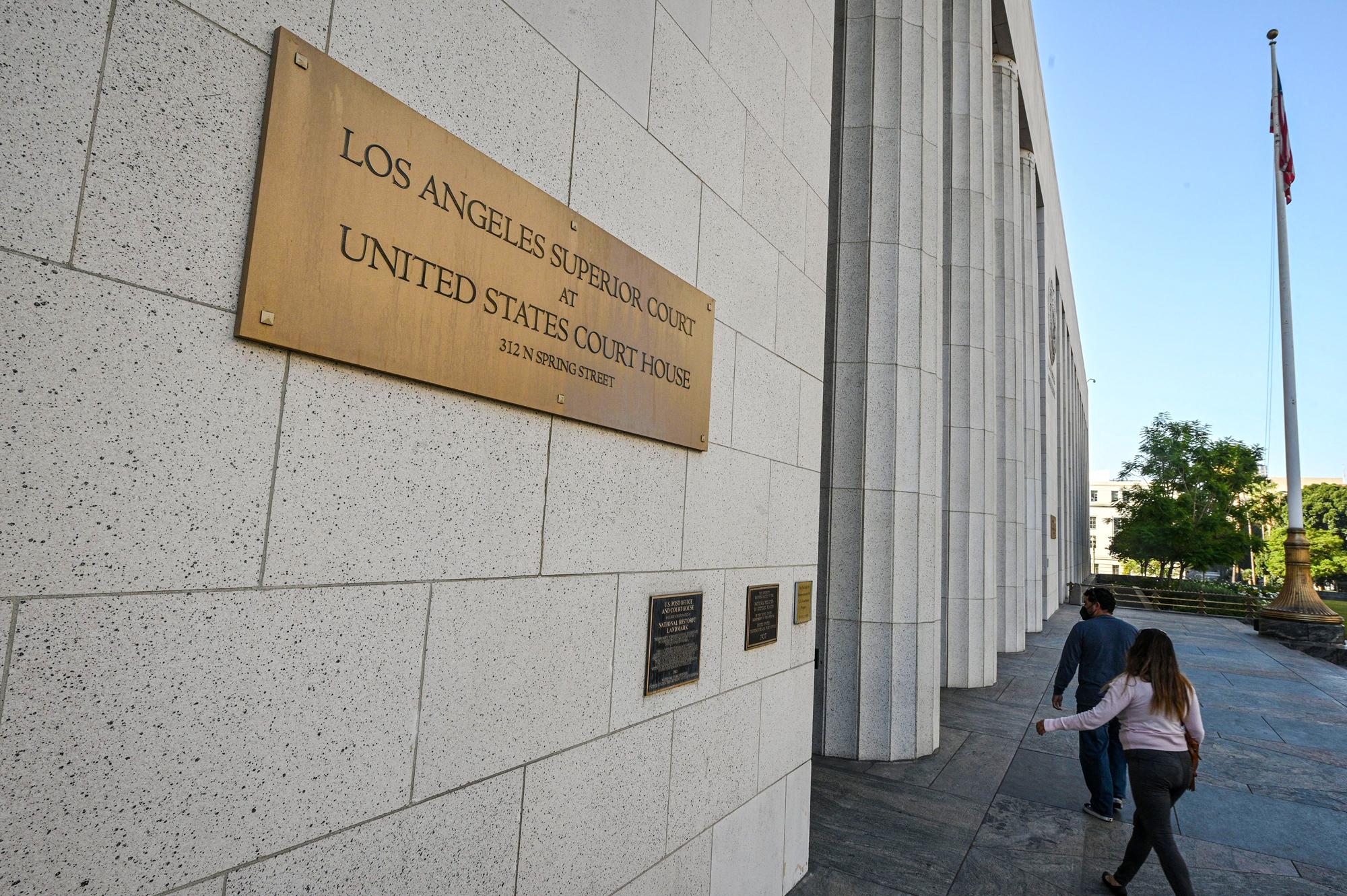
Around the same time in 2018, a California jury convened to determine if Monsanto was liable in a lawsuit filed by a man who alleged the company’s glyphosate-based weed-killers, including Roundup, caused his cancer.
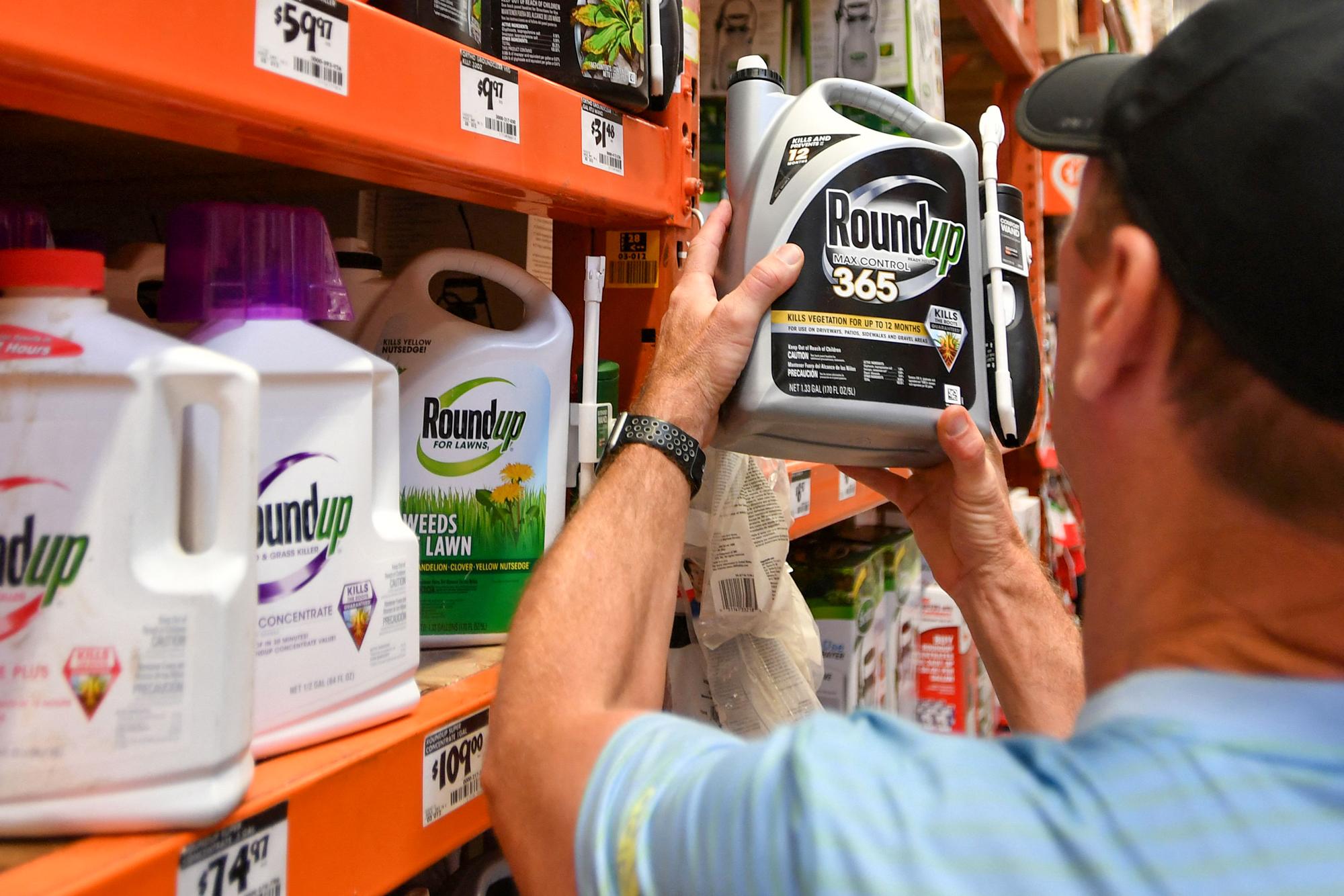
The case of school groundskeeper Dewayne Johnson was the first lawsuit to go to trial alleging glyphosate causes cancer.
It was a few months after Bayer bought Monsanto for $63 billion.
Expecting a protest against Monsanto, Ryerson made her way to the courthouse. There was no fanfare and only one local news crew in the courtroom, she recalled.
It was the first time Ryerson met Kennedy, who was part of the legal team representing Johnson.
From start to finish, Ryerson covered the trial and wrote about it on her “Glyphosate Girl” blog, cultivating a following.
Since then, Bayer has paid billions to settle many Roundup lawsuits while Ryerson has expanded her advocacy.
She co-founded American Regeneration with Ryland Englehart to help shape policy and advocate for regenerative farmers.
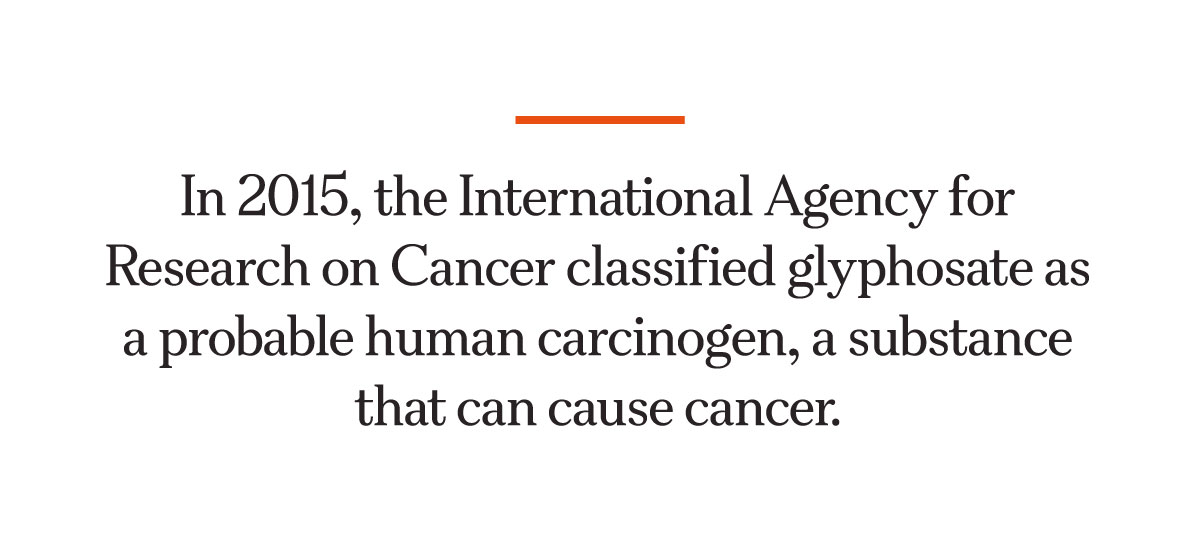
On Dec. 1, lawyers for the Trump administration urged the U.S. Supreme Court to intervene in a case that found Bayer liable for failing to warn that Roundup can cause cancer.
A jury found in favor of John Durnell, a Missouri man who developed non-Hodgkin lymphoma after exposure to Roundup.
The jury’s ruling was upheld by a state appeals court, and the Missouri Supreme Court declined to review the case.
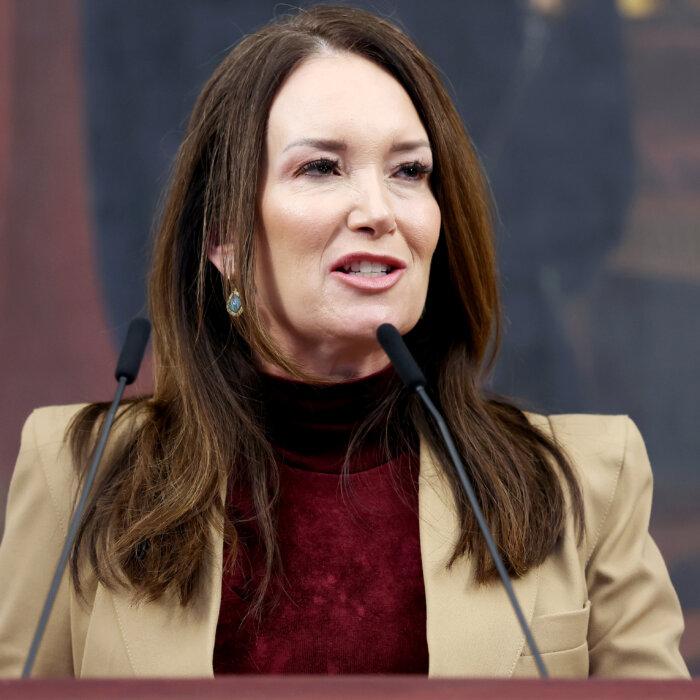
U.S. Solicitor General John Sauer on Dec. 1 sided with Bayer, writing in a brief to the high court that EPA officials determined that an ingredient in Roundup, glyphosate, “is not likely to be carcinogenic in humans, and the agency has repeatedly approved Roundup labels that did not contain cancer warnings.”


They pointed to the agency’s moves to loosen restrictions on harmful chemicals and approve new pesticides, including two that contain “forever chemicals” linked to health risks.
“This approach will inevitably lead to higher rates of chronic disease, greater medical costs, and tremendous strain on our healthcare system,” the petition stated.
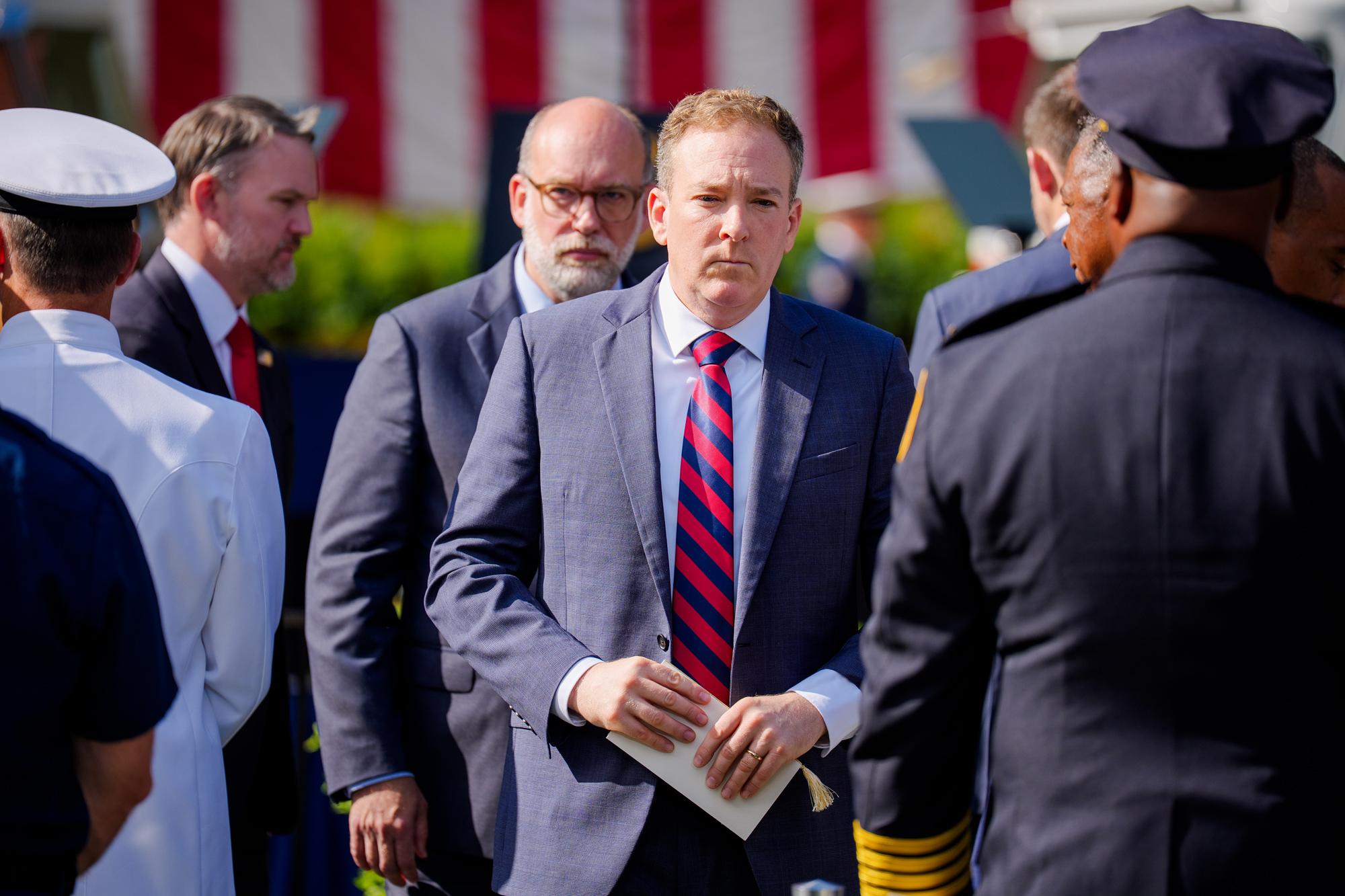
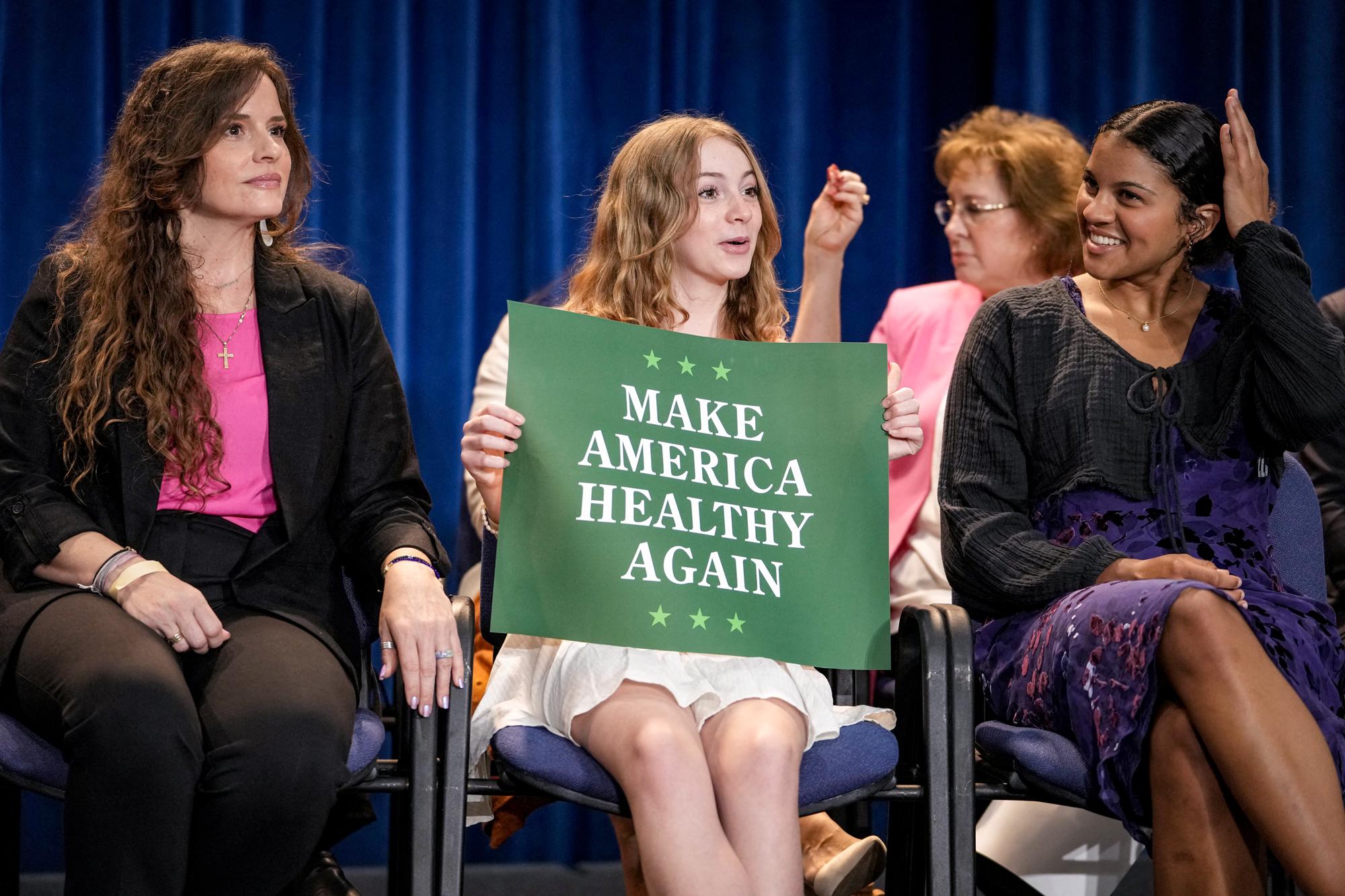
On Dec. 9, Zeldin attended the Christmas party for MAHA Action, the chief PAC that supports the movement’s initiatives, and invited Ryerson and other advocates to the EPA for a meeting the next day.
“We want to make sure that MAHA Action and its members have a seat at the table and ability to directly engage and communicate,” Zeldin said, adding that the EPA had worked “over the course of the last few weeks” to finalize a MAHA agenda for the agency.
He specifically referenced MAHA’s objective to reduce the use of pesticides.
Ryerson appeared on the same webinar after Zeldin spoke and said with a grin, “I imagine it was hard for him to come into a MAHA holiday party,” praising the EPA head for engaging in conversation and inviting MAHA advocates for a meeting.
Zeldin was joined by EPA senior leaders at the gathering.
“This is unprecedented access. Usually, [the EPA personnel] don’t even email you or call you back, which is frustrating,” Ryerson said, expressing hope that the EPA will take action on MAHA Action recommendations.
While Ryerson and fellow MAHA proponents work to make progress with the EPA, they continue the battle on another front.
Ryerson said Bayer is focused on limiting the ability of Americans to sue chemical manufacturers if they get sick from exposure, essentially creating a pesticide liability shield.
On Dec. 5, the scientific journal Regulatory Toxicology and Pharmacology retracted a 2000 study that concluded “under present and expected conditions of new use, there is no potential for Roundup herbicide to pose a health risk to humans.”
The retraction also concluded that the study’s authors may have been paid by Monsanto without disclosing it and that the findings about its cancer risk “are solely based on unpublished studies from Monsanto.”
The paper “had a significant impact on regulatory decision-making regarding glyphosate and Roundup for decades,” according to the journal, which said that it has “lost confidence in the results and conclusions of this article, and believes that the retraction of this article is necessary to maintain the integrity of the journal.”
The EPA has said it will announce an updated human health risk assessment for glyphosate in 2026.
In a statement, EPA press secretary Brigit Hirsch said that the retraction would not affect its stance because the agency does not rely on review articles for its pesticide risk assessments.
“Glyphosate is the most extensively studied herbicide over the past 50 years. Thousands of studies have been conducted on the safety of glyphosate products,” Bayer spokesman Brian Leake said. “The vast majority of published studies on glyphosate had no Monsanto involvement.”
Signatories of the letter highlighted provisions in the Fiscal Year 2026 House Interior and Environment Appropriations Bill—Sections 453 and 507—which they said create broad product-liability protections for domestic and foreign pesticide and chemical manufacturers “by refusing to fund the critical, legally required scientific safety assessments needed to update labels across more than 57,000 synthetic chemicals.”
In a statement emailed to The Epoch Times on Jan. 5, Bayer said it agrees that “no company should have blanket immunity.”
“To be clear, the language in section 453 of the House appropriations bill for the Department of the Interior would not prevent anyone from suing pesticide manufacturers,” Bayer said. “The future of American farming depends on reliable science-based regulation of important crop protection products—determined safe for use by the EPA.”
MAHA Action celebrated the removal of Section 453 from the spending bill.
Ryerson told The Epoch Times on Jan. 5 that she is “thrilled” about the decision and credited “the thousands of people who helped us rally and contact Congress about the harms that would come from a pesticide liability shield.”
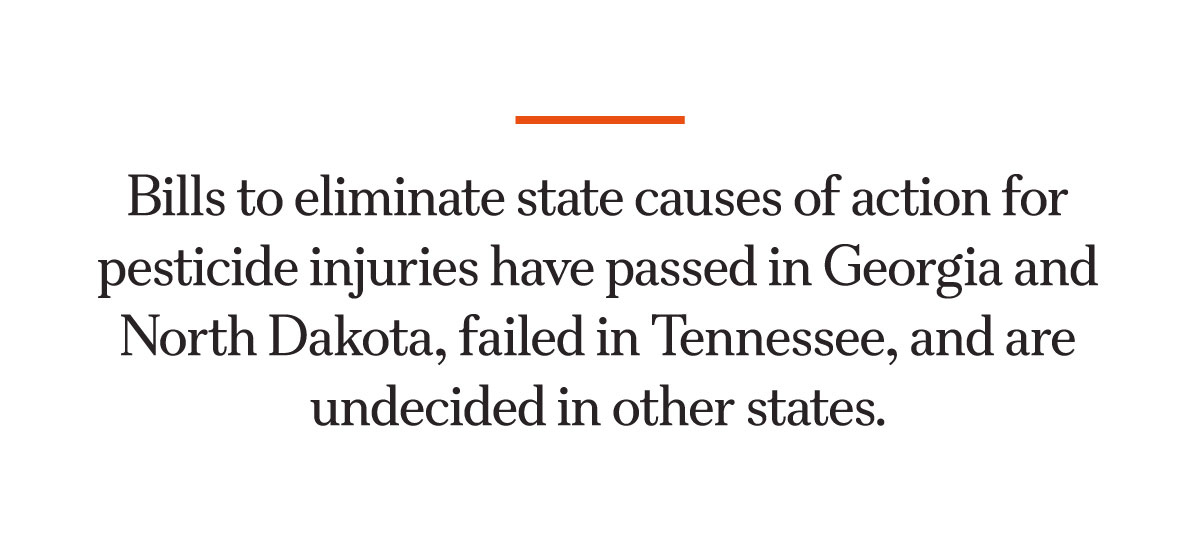
Bills to eliminate state causes of action for pesticide injuries have passed in Georgia and North Dakota, failed in Tennessee, and are undecided in other states.
Ryerson expects that the chemical corporations will continue their efforts to pass state-level liability shields in 2026.
“Without MAHA advocates, all of these bills would be pushed through with little opposition, and there wouldn’t be attention on the dangers of glyphosate and all of the other chemicals and pesticides,” Ryerson said.
“It’s exhaustive doing all we are doing, but it’s necessary. The health of our families are at stake.”