Earlier this week, the U.S. military carried out its 20th lethal strike against an alleged drug-trafficking vessel in the Caribbean Sea.
Four alleged narco-terrorists were killed in the Nov. 10 operation, a Pentagon official confirmed to The Epoch Times on Nov. 14. There were no survivors.
The total number of individuals killed in these operations has now reached 79 since September, when the Trump administration started the military campaign aimed at halting South American drug cartels from shipping illicit narcotics that have fueled a deadly opioid crisis across the United States.
In recent weeks, the administration has steadily expanded both the number of assets involved and the geographic scope of its operations.
What began in waters off Venezuela has now extended into the eastern Pacific Ocean near Colombia’s coastline.
On Nov. 11, the Navy confirmed that the USS Gerald R. Ford—the nation’s newest and most advanced nuclear-powered aircraft carrier—and its full strike group have arrived in the Southcom region, which covers the Caribbean as well as Central and South America.
The carrier, staffed by more than 4,000 sailors, is equipped with F/A-18 Super Hornet fighter jets and long-range Tomahawk cruise missiles.
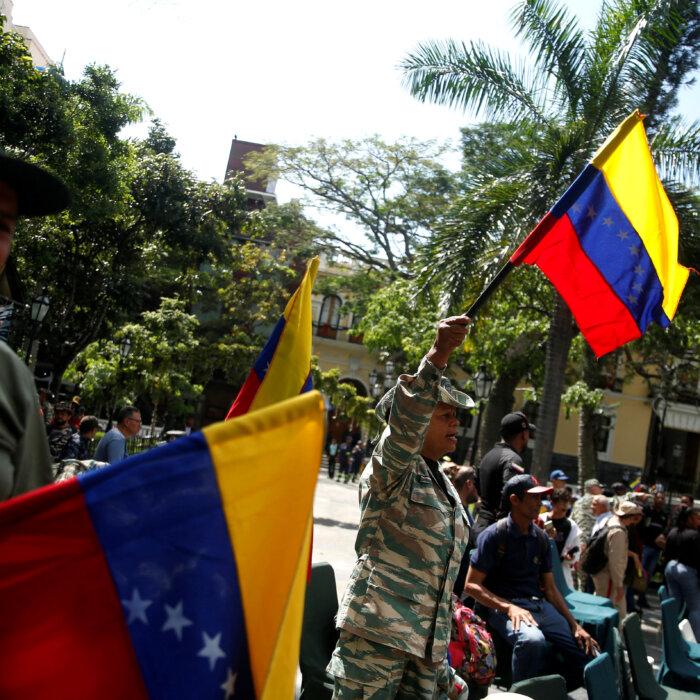
The growing U.S. military presence intensifies pressure on Venezuelan regime leader Nicolás Maduro, whom U.S. officials accuse of overseeing an international cocaine-trafficking conspiracy and using violent drug cartels to consolidate his power.
On Nov. 14, U.S. President Donald Trump said that he has already decided on his next steps concerning the Maduro regime, signaling that Washington is preparing new military measures as its posture in the Caribbean expands.
“I can’t tell you what it would be, but I certainly made up my mind.”
It’s unclear whether the vessel targeted in the Nov. 10 attack had any connection to the Tren de Aragua network.