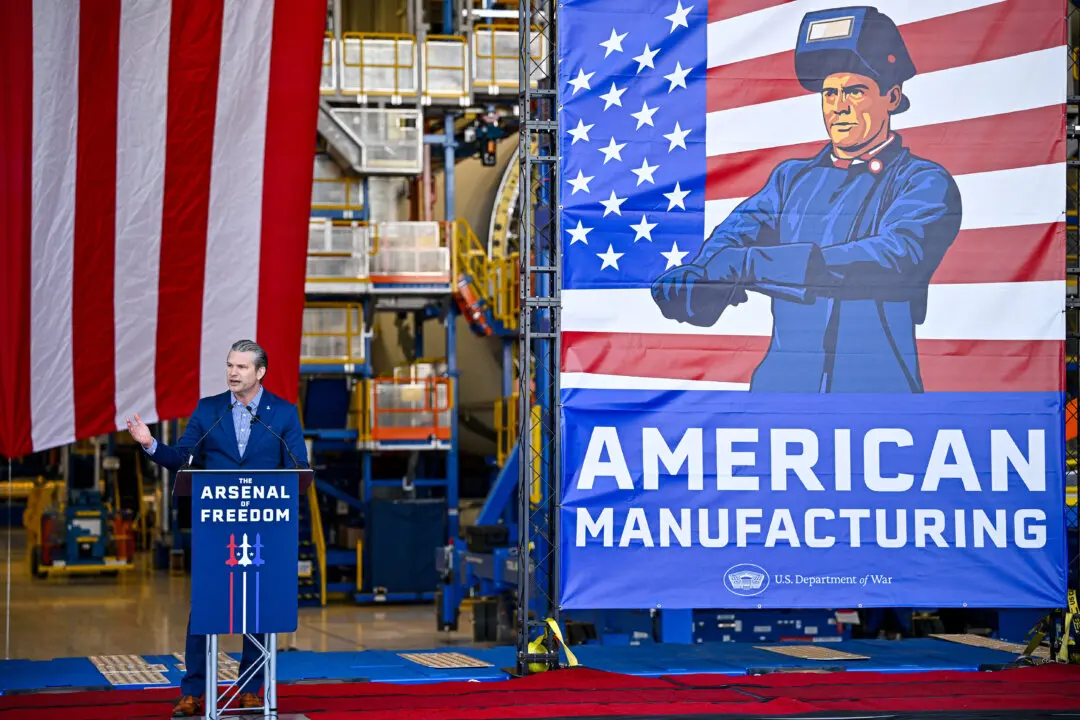
The U.S. trade deficit in goods narrowed in June as imports declined, fueling expectations of a sharp second-quarter GDP rebound.
In May, the U.S. goods trade deficit increased to a slightly downwardly adjusted $96.4 billion.
The consensus forecast suggested a $98.4 billion trade deficit for June, with economists expecting further stabilization in trade flows following the upheaval in worldwide trade flows in April.
Goods imports fell by 4 percent, totaling $264.2 billion last month. Exports of goods for June were little changed at $178.2 billion.
Market watchers are paying closer attention to imports as they will likely be a substantial factor in the coming quarterly GDP reports. Imports are subtracted from gross domestic product calculations since those calculations measure the value of goods and services produced domestically.

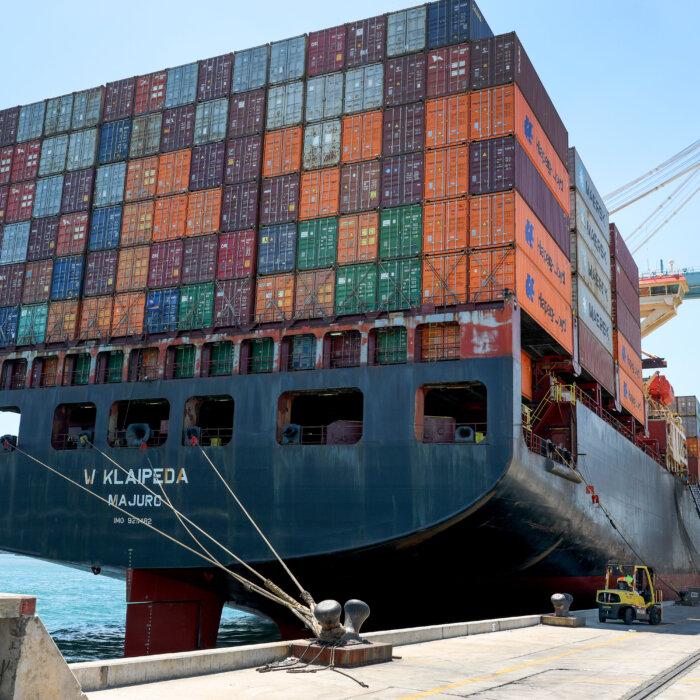
In the first quarter, the U.S. economy contracted by 0.5 percent, largely because of a surge in imports and a modest decline in government spending. As companies tried to get ahead of President Donald Trump’s tariffs by front-running their purchases of foreign goods, net exports trimmed close to 5 percentage points from the GDP in the first three months of the year.
In addition to merchandise trade numbers, which are not adjusted for inflation, estimates indicate that advance retail inventories totaled $808.7 billion, representing a 2.5 percent increase from the same period in 2024. Advance wholesale inventories also jumped 1.5 percent year over year to $907.7 billion.
In today’s economic climate, private inventory levels are another crucial metric, as they can influence GDP measurements and potentially signal shifts in consumer demand.
Ultimately, recent estimates anticipate a rebound in growth prospects.
Trade, Tariffs Talk
The Trump administration has secured several trade deals ahead of the Aug. 1 deadline.Still, despite the flurry of announcements, the United States has many other trading partners to negotiate with, such as Canada, Mexico, China, and India.
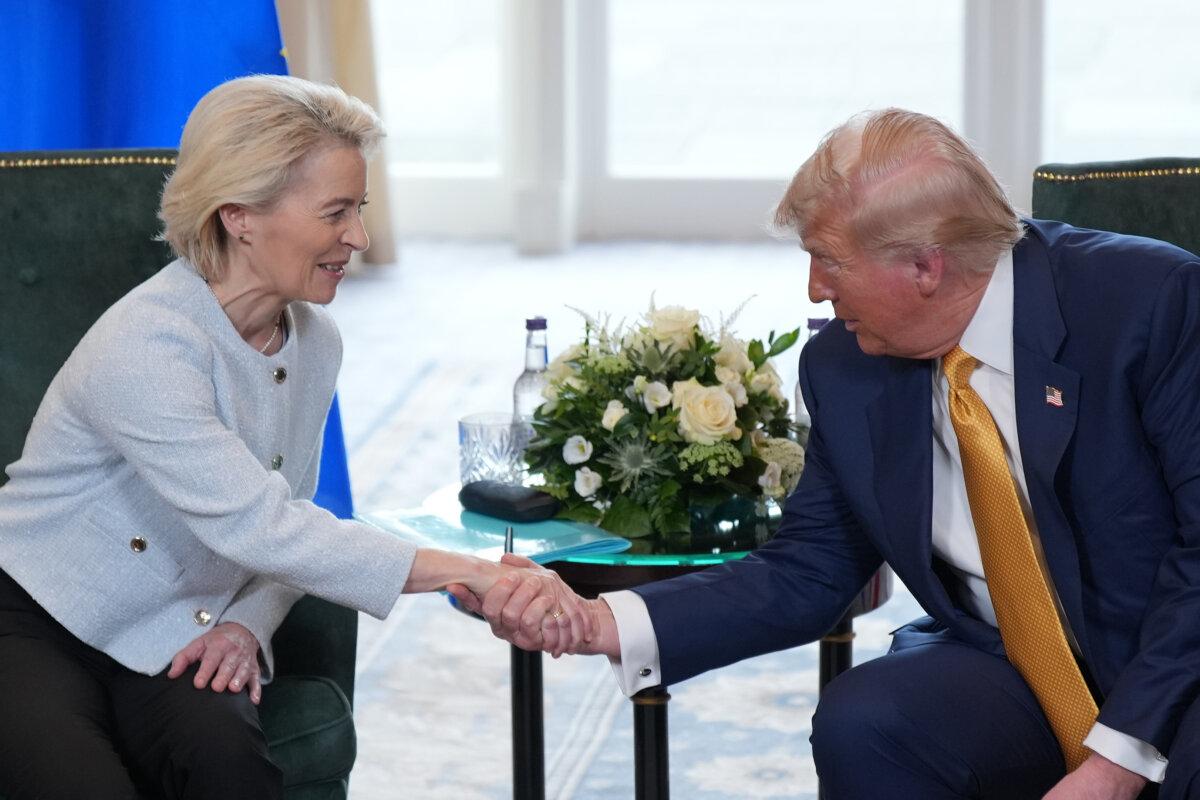
Trump told reporters on July 29 that he will introduce a baseline tariff rate for the world of between 15 percent and 20 percent.
“Probably one of those two numbers,” he said. “We’re going to be setting a tariff for essentially the rest of the world, and that’s what they’re going to pay if they want to do business in the United States, because you can’t sit down and make 200 deals.”
However, while importers typically bear the cost, which is eventually passed on to consumers, recent inflation figures have been sending mixed signals.
Economic observers have presented various theories for the lack of substantial price pressures.
Many businesses could be delaying price hikes because they are well-stocked from the rush to buy foreign goods and avert higher tariff levels. Domestic companies may be absorbing tariff-related costs to avoid harming price-sensitive consumers. Foreign exporters could also be eating some of the levies by lowering prices and sacrificing their profit margins to maintain market share in the United States.
Should this persist, analysts say, the Federal Reserve would likely cut interest rates in September.
“The economic data hasn’t screamed for it and tariff uncertainty still remains,” Jay Woods, chief global strategist at Freedom Capital Markets, said in a note emailed to The Epoch Times.
“While the tariff impact has been minimal at best, expectations are that this meeting and the press conference to follow could set the table for a cut in September.”
Investors overwhelmingly believe the Fed will hold off again on July 30, keeping the benchmark federal funds rate in a range of 4.25 to 4.5 percent. But expectations for a quarter-point cut in September remain elevated.
Fed Chair Jerome Powell and his colleagues have argued that they can afford to be patient and wait for more clarity from the White House’s trade endeavors before restarting the central bank’s easing cycle that began in September 2024 and paused in January.
“Let’s see if the dissent grows louder and Powell’s tone grows more dovish,” Woods stated.