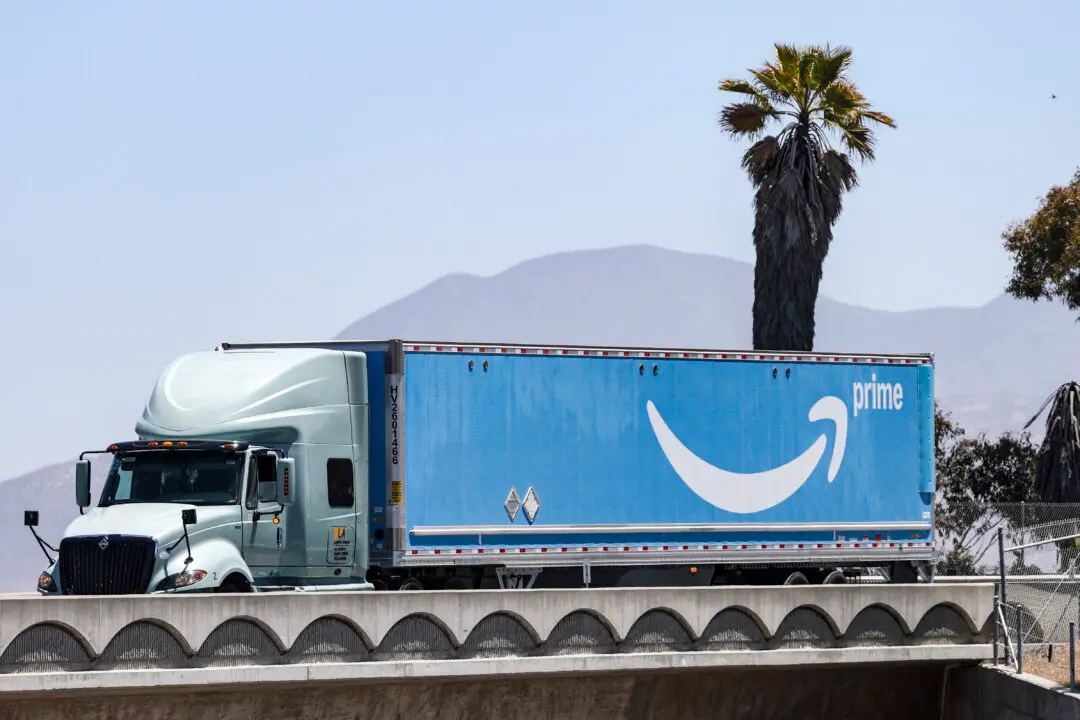
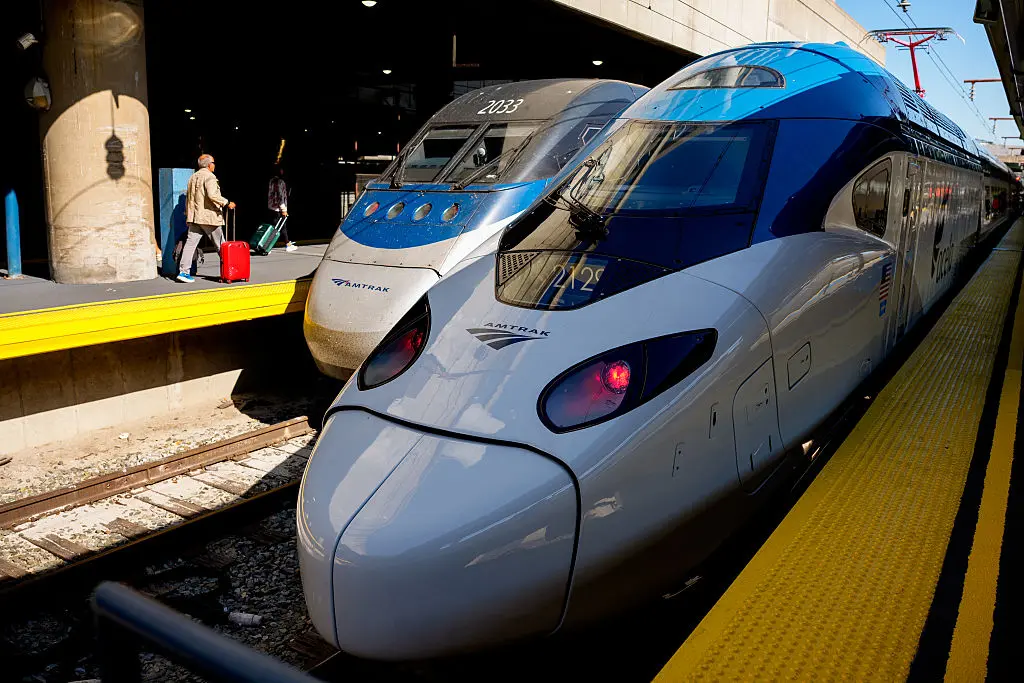
The recent decline follows a $2.4 billion net profit in the fourth quarter of 2024. On the positive side, this year’s first-quarter loss is lower than in the first quarter of 2024, when the airlines registered $1.7 billion in net loss.
Both domestic and international operations registered net losses in the first quarter of 2025. However, only domestic operations were in the red in terms of pre-tax operating profit.
The BTS statement comes after executives at multiple airlines have raised concerns about economic uncertainty.
American Airlines also opted to withdraw its full-year guidance, promising to provide an update on the matter “as the economic outlook becomes clearer.”
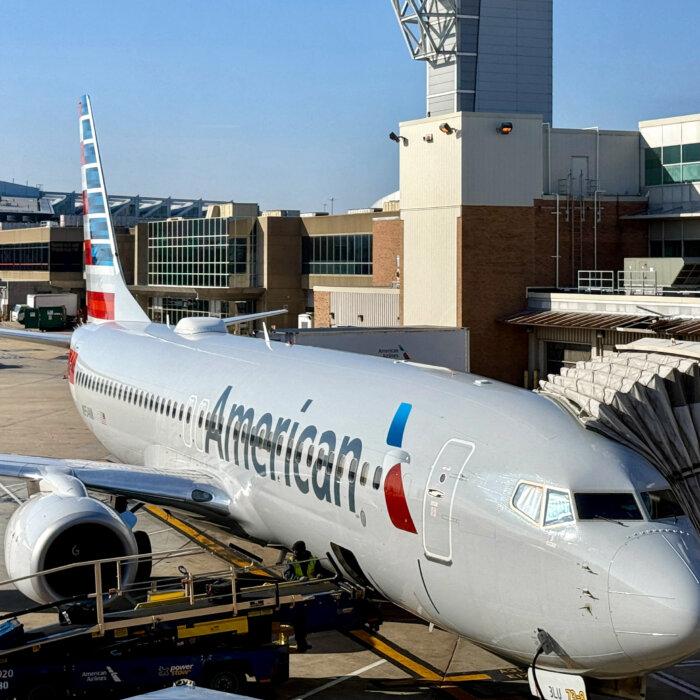
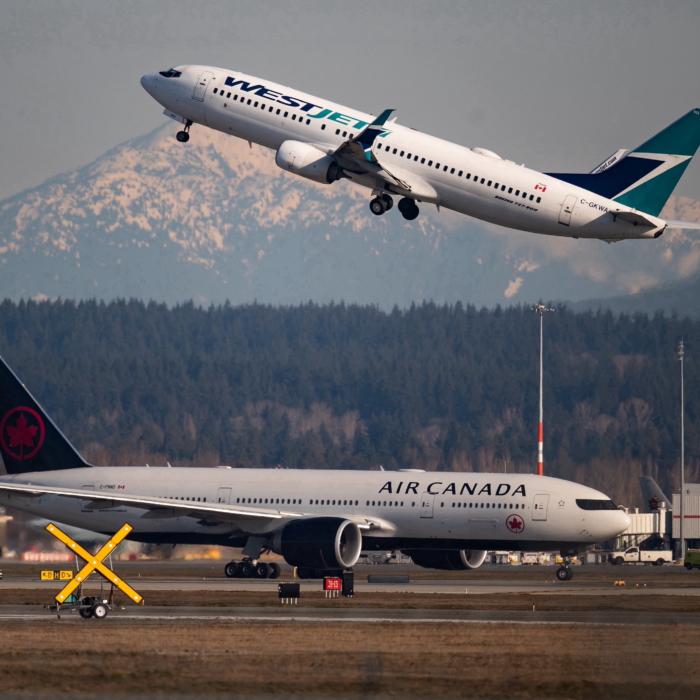
The softer travel spending comes amid low levels of disposable personal income among Americans compared with four years ago.
Airline Sector Outlook
In a May 29 report, JP Morgan stated that overseas visitor numbers into the United States have declined. In addition, the domestic travel market has been negatively affected because of a drop in government-related flight bookings.“In response, several U.S. airlines have reduced their earnings forecasts, and stocks have corrected accordingly,” the report stated.
But despite this gloomy outlook, U.S. airlines are “well-placed to weather the storm” amid a potential economic recession, according to the report.
“Airline stocks traditionally lose 40 percent of their value over six months leading into recession before doubling from there,” said Jamie Baker, JP Morgan’s U.S. airline and aircraft leasing equity analyst.
In a May 14 statement, the World Travel & Tourism Council forecast that the United States would lose a “staggering” $12.5 billion in international visitor spending in 2025, representing a 22.5 percent decline from the previous peak.
The loss would be a “direct blow to the U.S. economy overall, impacting communities, jobs, and businesses from coast to coast,” according to the statement.
Data on new international arrivals for March show a “sharp and widespread drop in inbound travel from many of the country’s key source markets,” the group stated.
For instance, on an annual basis, arrivals from the UK declined by almost 15 percent, Germany by 28 percent, and South Korea by nearly 15 percent.
“Without urgent action to restore international traveler confidence, it could take several years for the U.S. just to return to pre-pandemic levels of international visitor spend, not even the peak from 10 years ago,” said Julia Simpson, CEO of the World Travel & Tourism Council. “This is about growth in the U.S. economy—it is doable, but it needs leadership from DC.”
“AAA expects 5.84 million travelers will fly to their destinations; that’s 8 [percent] of all Independence Day travelers. This year’s projection is a 1.4 [percent] increase over the previous record set last Independence Day week of 5.76 million air travelers,” AAA stated.