National Guard troops will soon be deployed to New Orleans to assist local law enforcement at the request of Louisiana Gov. Jeff Landry, President Donald Trump said on Dec. 2.
“Gov. Landry—a great guy, a great governor—he’s asked for help in New Orleans. And we’re going to go there in a couple of weeks,” Trump said during his final Cabinet meeting of the year at the White House.
Trump did not specify how many troops would be sent or the exact date of their arrival. Landry, who in September asked the administration for up to 1,000 Guard members to help combat crime, told reporters on Dec. 1 that he expects them to arrive before Christmas.
While speaking at an event commemorating victims of the Jan. 1 Bourbon Street terror attack, Landry said he had recently spoken with the president, who personally reaffirmed the commitment.
“He said, ‘Don’t worry, Jeff, we’ll have them there in two weeks,'” Landry recalled.
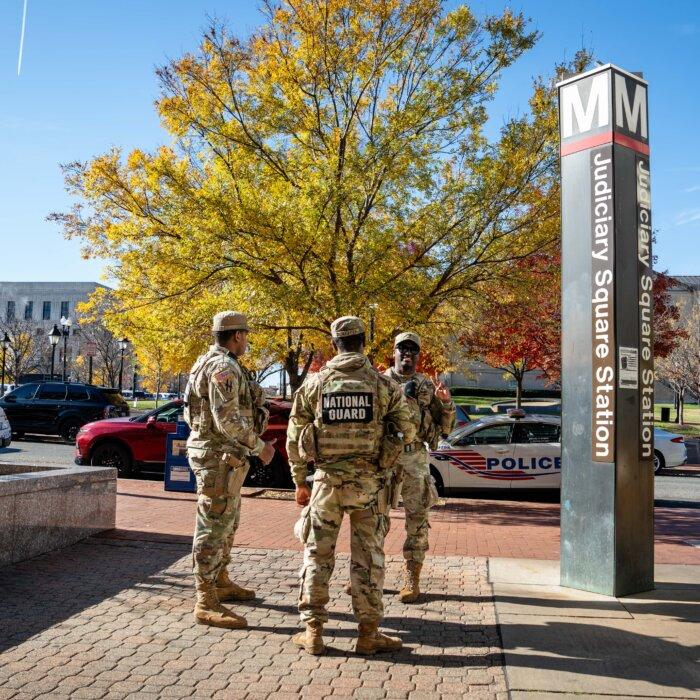
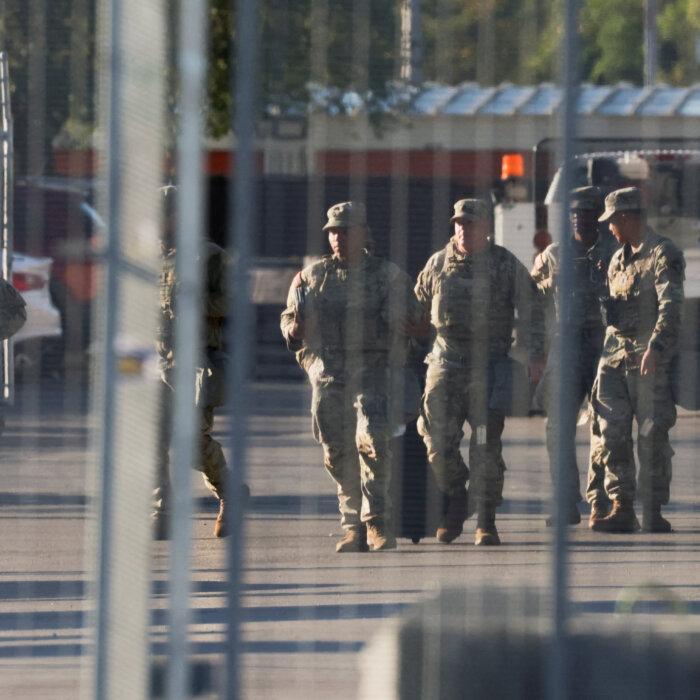
The extra support would be especially help during major events, Landry said, including college football bowl games and Mardi Gras, New Orleans’s signature carnival. Mardi Gras falls on Feb. 17 in 2026, though festivities begin on Jan. 6.
Landry’s request was made just weeks after Trump suggested that New Orleans could be among the next cities to receive federal security assistance. In recent months, federalized National Guard units have already been sent to Los Angeles, Memphis, Baltimore, Washington, and Portland, Oregon.
The planned deployment has received mixed responses from New Orleans city officials. Several city council members have voiced their individual opposition, but outgoing Mayor LaToya Cantrell and the New Orleans Police Department maintained that the city was open to cooperating with federal authorities to improve public safety.
Mayor-elect Helena Moreno, a Democrat who will take office in January 2026, has rejected the idea of deploying the National Guard in the city. She accused the Trump administration of “politicizing public safety” by targeting Democratic-led cities while overlooking others with what she called “severe” crime problems.