President Donald Trump on July 24 said that he does not want to revoke tech billionaire Elon Musk’s contracts with the U.S. government, a day after the White House signaled that it may no longer be doing business with Musk’s artificial intelligence company.
When asked whether the Trump administration wanted to cancel the contract, she said she would discuss it with the president.
On Thursday, Trump said, “I want Elon, and all businesses within our Country, to THRIVE, in fact, THRIVE like never before!”
“The better they do, the better the USA does, and that’s good for all of us,” he added. “We are setting records every day, and I want to keep it that way!”

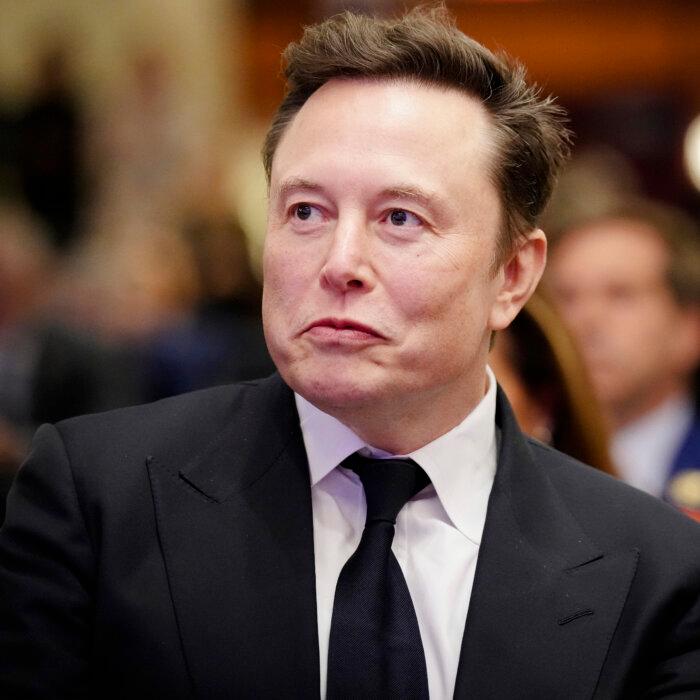
The development comes almost two months after Trump and Musk, who had developed a close relationship with the president while leading the Department of Government Efficiency (DOGE), had a bitter public falling out.
Musk had criticized the Republican-led One Big Beautiful Bill Act for its projected increases to the federal deficit, which he said ran counter to DOGE’s ambitions of slashing government spending and lowering the nation’s debt.
Trump disagreed with the assessment of the bill’s fiscal impact cited by Musk and chalked up the Tesla CEO’s reaction as frustration with the bill’s cancellation of tax incentives for electric vehicles, which Musk denied.
The former DOGE leader went a step further when he floated the idea of starting a new political party, leading to condemnations from the president and threats to end contracts with Musk’s companies, including SpaceX, a major aerospace contractor with the federal government.
After NASA sunsetted its Space Shuttle program, SpaceX has emerged as one of the few companies that still sends astronauts to space. The company is also critical for dispatching and retrieving satellites from orbit, and is one of NASA’s foremost private contractors.
Earlier this year, SpaceX and its competitors, United Launch Alliance and Blue Origin, scored contracts with the Department of Defense worth a combined $13.5 billion through 2029. The contracts are for sending the Pentagon’s most sensitive and complex satellites into space.