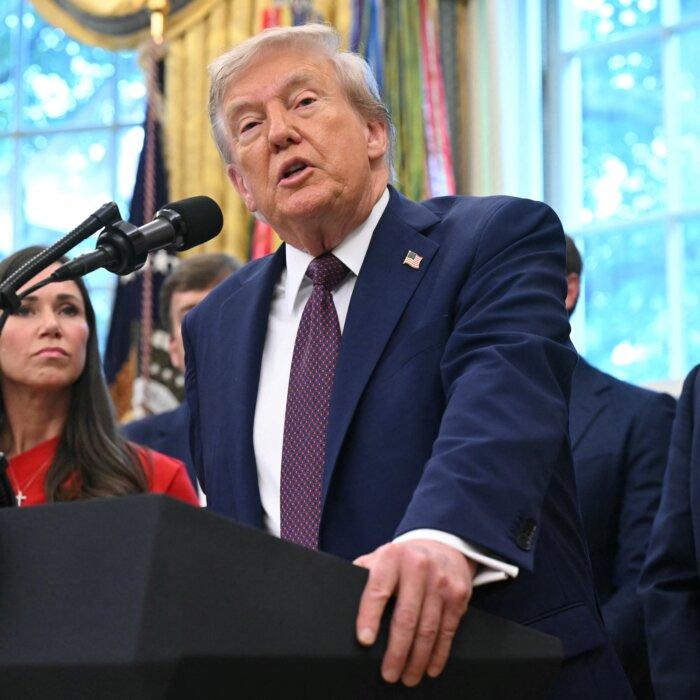
President Donald Trump said on Aug. 30 that he would be making another push into federal election rules, promising to sign an executive order that would require voter ID to vote.
“Also, No Mail-In Voting, Except For Those That Are Very Ill, And The Far Away Military. Use paper ballots only!!!” he wrote.
The move, like Trump’s promise to push for an end to mail-in ballots, could push the limits of his presidential authority, as states have long been allowed jurisdiction over their own elections.
Voter ID
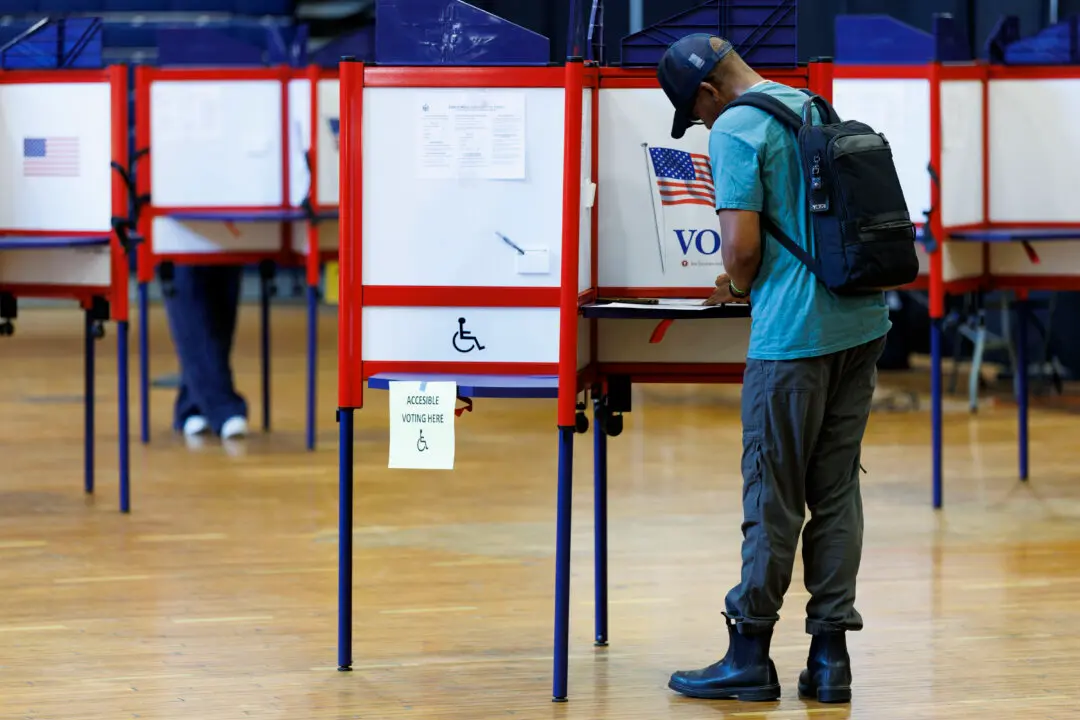
Voter ID laws, which require voters to present a form of identification, have long been a hot button issue at the national level.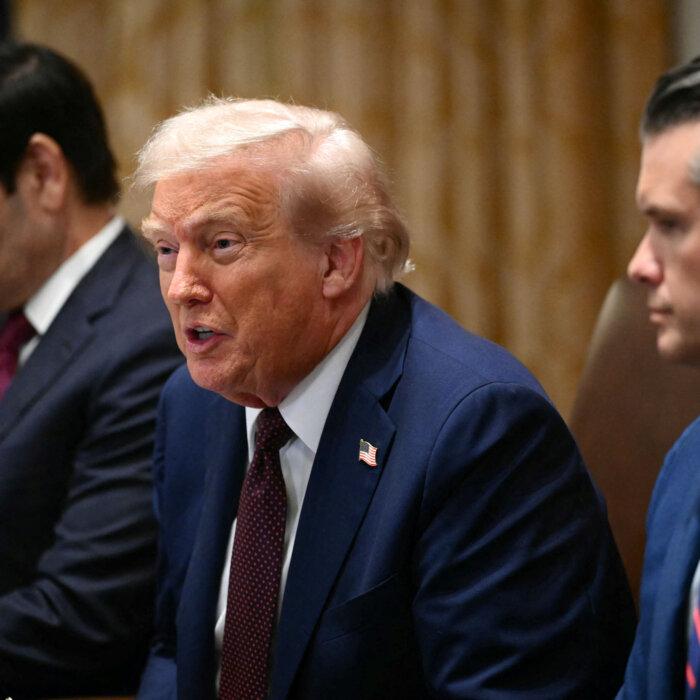
Currently, state laws vary on the topic. Some states have strict laws, requiring a photo ID to vote, while others that require photo ID permit some flexibility. Some states require only some proof of identity, without photo requirements. Others don’t require ID at all.
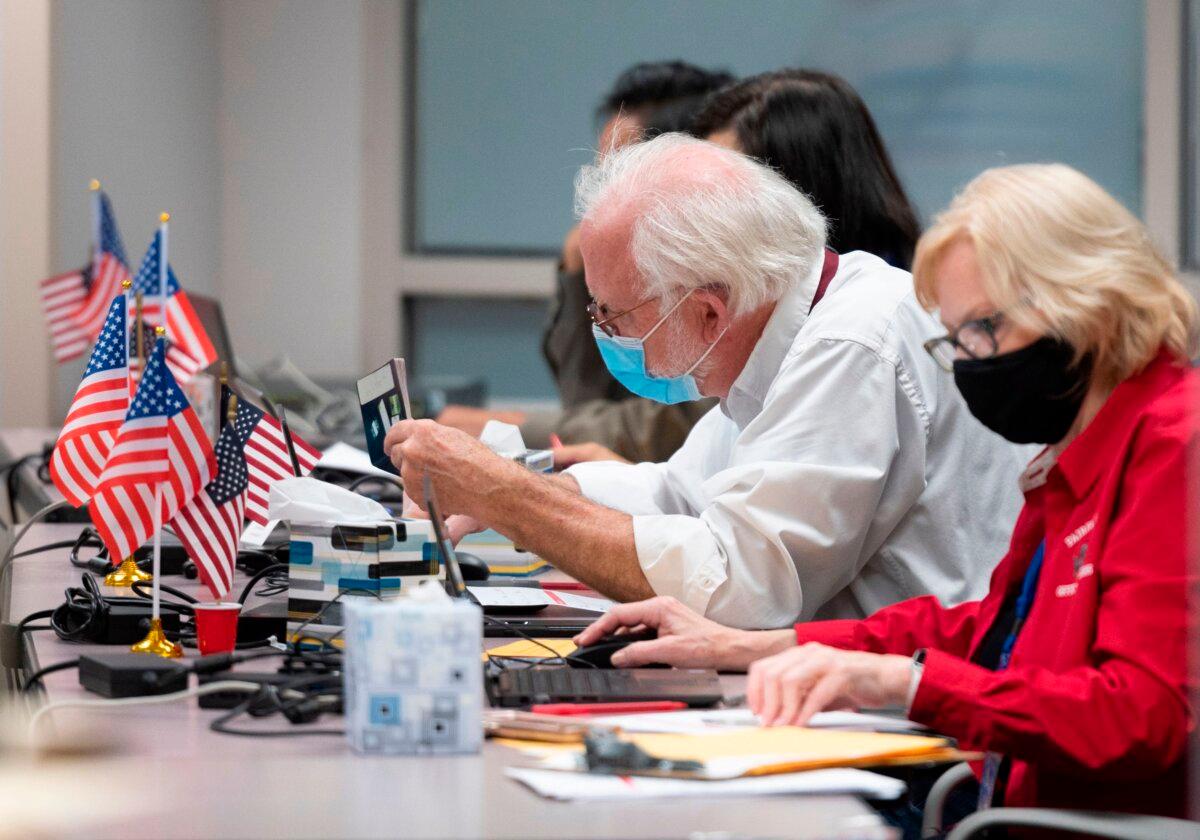
Trump and other Republicans have called for the adoption of voter ID for years, describing the measure as a common sense move to ensure that only citizens are allowed to vote in federal elections and arguing that forgoing such requirements increases the likelihood of fraud.
Many Democrats have criticized these laws, arguing that they limit lower-class citizens’ access to the ballot box because of barriers such as the cost associated with obtaining voter ID.
Speaking about the issue in July, Senate Minority Leader Chuck Schumer (D-N.Y.) suggested that voter ID laws would limit turnout from poor, minority, and Democratic voters.
What the Constitution Says
Historically, states have been granted broad discretion over how both state and federal elections are handled, although some laws—such as the Voting Rights Act, the National Voter Registration Act, and laws setting a uniform date for federal elections—regulate the process.Article I, Section 4 of the Constitution grants states the power to choose the “Times, Places and Manner” of their elections, although Congress is granted the power to regulate the time or manner.
Experts have told The Epoch Times they’re skeptical about Trump’s authority to make broad changes to election laws without congressional sign-off.
Instead, Congress would likely need to approve such changes through legislation. Although Trump has encouraged reforms, Republicans’ effort to impose proof of citizenship requirements to vote has stalled in the Senate.
The bill has foundered in the Senate, where it would need the support of at least seven Democrats to overcome the 60-vote filibuster threshold.
Previous Actions
In March, Trump signed an executive order seeking to impose photo ID requirements at the time of voting.He said the changes were intended to safeguard “free, fair, and honest elections” against what he described as “fraud, errors, or suspicion.”
“The right of American citizens to have their votes properly counted and tabulated, without illegal dilution, is vital to determining the rightful winner of an election,” Trump wrote in the order.
Trump stated in the document that his goal was to ensure the enforcement of federal laws such as 18 U.S.C. Section 1015 and Section 611, which prohibit foreign nationals from registering to vote in federal elections.
Legal Challenges
Trump’s previous effort at modifying election law has seen challenges in court, and judges have expressed skepticism about the president’s authority to mandate such changes.In April, the Democratic Party filed a lawsuit against the order, and a judge temporarily blocked its proof-of-citizenship provisions.
Elias Law Group, which represented Democrats in the case, alleged that the executive order would “disenfranchise eligible voters by adding illegal and unnecessary barriers to the voter registration process.”
It’s unclear how Trump’s new move to address the issue will be structured, given the legal challenges the March executive order has faced.