No foul play is suspected in the Oct. 26 crashes of two U.S. Navy aircraft in the South China Sea, President Donald Trump told reporters on Oct. 27.
Speaking from Air Force One en route to Japan, Trump said he expected to find out the causes of the incidents “pretty soon.”
“I think they should be able to find out. It could be bad fuel. I mean, it’s possible it’s bad fuel. Very unusual that that would happen,” he said.
When asked whether foul play was suspected, the president said: “No, I don’t think so, no, no. They think it might be bad fuel. We’re going to find out. Nothing to hide.”
Both aircraft were conducting routine operations from the aircraft carrier USS Nimitz when they crashed, according to an announcement by the Navy’s Pacific Fleet.
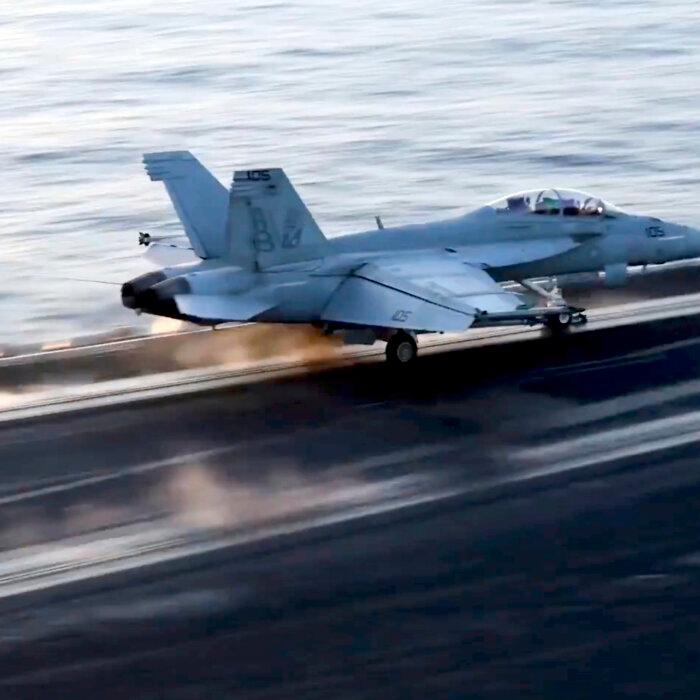
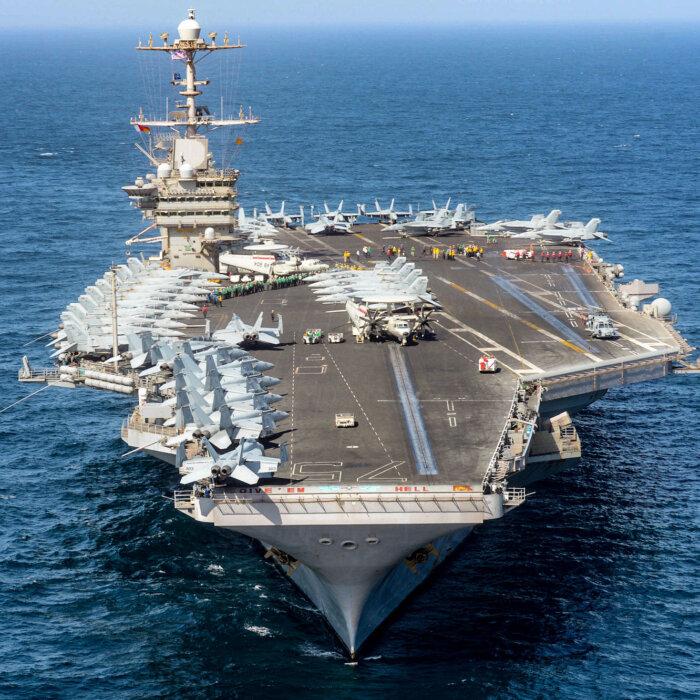
Five crew members—three from the helicopter and two from the fighter jet—were recovered, and all personnel involved were “safe and in stable condition,” the statement said.
The Pacific Fleet said it was investigating the cause of both incidents.
The Epoch Times has reached out to the U.S. Navy for comment.
The USS Nimitz, the lead ship of Nimitz-class nuclear-powered aircraft carriers and the Navy’s oldest carrier in active service, led a carrier strike group to the Western Pacific in March in what may be its last deployment.
The Navy said the regular deployment would “focus on protecting security, freedom, and prosperity for the United States, [U.S.] allies and partners, and demonstrating the U.S. Navy’s unwavering commitment to a free and open Indo-Pacific”—a concept launched by the previous Trump administration to counter Beijing’s aggression in the Pacific region.
Holding a joint military exercise in the South China Sea with Japan and the Philippines last month, the U.S. Navy said the drills demonstrated “a collective commitment to strengthen regional and international cooperation in support of a free and open Indo-Pacific.”