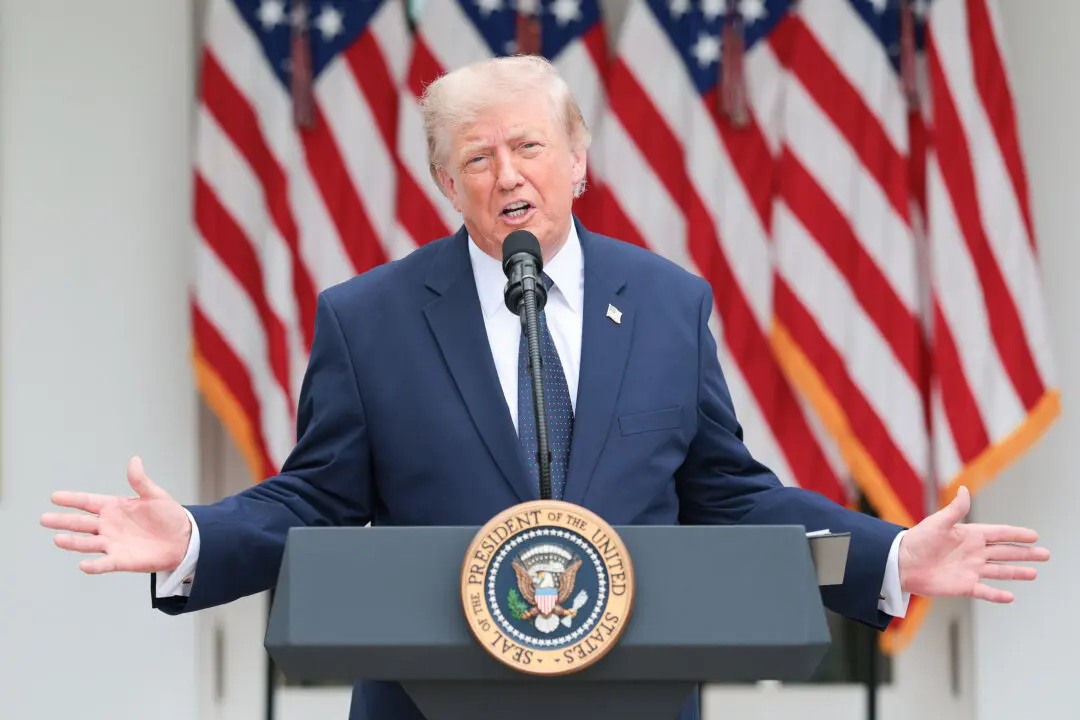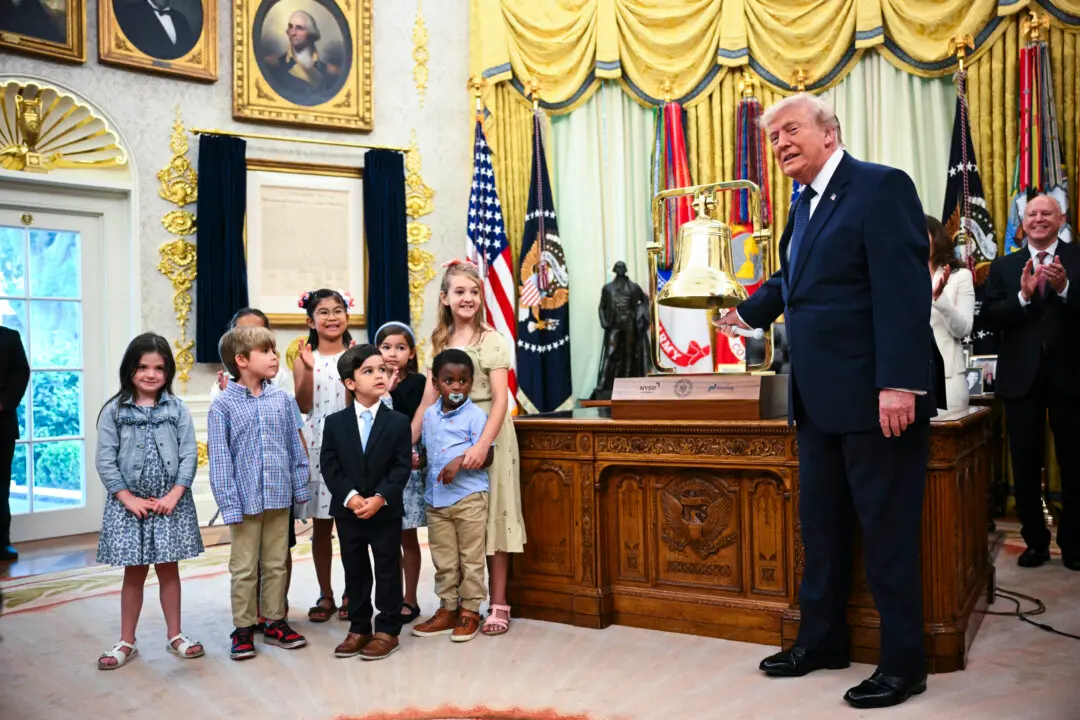
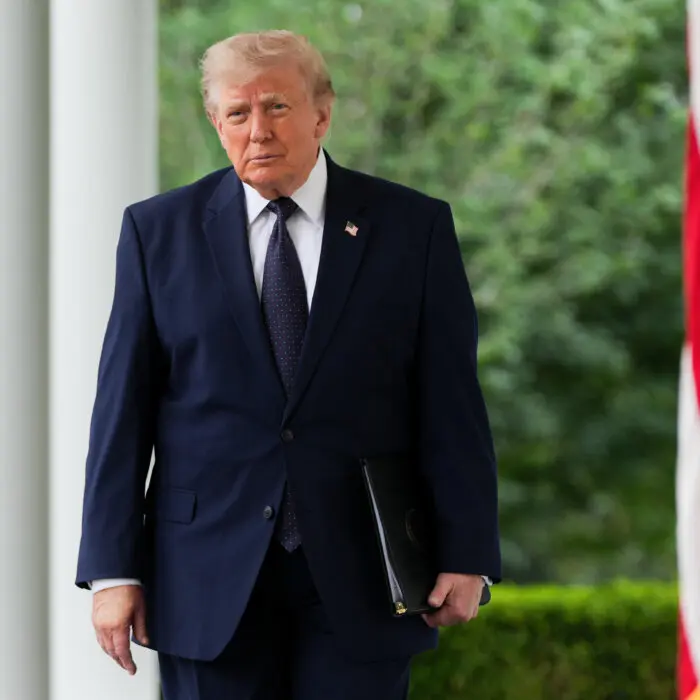
WASHINGTON—President Donald Trump hosted Iraqi Prime Minister Ali Falih al-Zaidi at the White House on July 14 for bilateral discussions about securing the Middle East and promoting the two nations’ economic agendas.
“He’s been a great fighter and a great fan of America,” Trump said during the gathering.
“In a short period of time, he’s changed that country so much, especially in their thinking toward the United States.”
The 41-year-old al-Zaidi thanked the president for the warm welcome on his first trip to the United States.
“I would convey my greetings from the oldest civilization in the world to the economic and technology heart in the world,” he said during the brief Oval Office interaction.
Al-Zaidi rose to power after political gridlock ensued following the November 2025 election.
Prime ministers in Iraq are chosen by parliamentary procedures, and the favored candidate was former Prime Minister Nouri al-Maliki, but Trump threatened to rescind financial support for the country if he was selected.
“I played a role,” Trump said. “It was very important to me to have somebody get in there that can do the job and do it well, and we have a fantastic champion.”
Weeks of uncertainty triggered constitutional crises before al-Maliki and another candidate, interim Prime Minister Mohammed Shia' al-Sudani, withdrew from the race.
Trump congratulated al-Zaidi in April and announced the planned meeting in June after U.S. special presidential Envoy Tom Barrack met with the newly installed prime minister.
Conflict between the United States and Iran led to attacks on U.S. bases in the region, with Iraqi officials now balancing complex foreign and domestic interests.
“Iran was a big burden on Iraq because they were the bully of the Middle East,” Trump said. “They’re not going to have that problem anymore.”
With the flow of energy disrupted by war in the Strait of Hormuz, discussions include plans for alternative routes to minimize reliance on the critical waterway.
Iraq plays a key role in energy production in the region, as OPEC’s second-largest producer, and the nation is looking to increase production from about 5.4 million barrels of oil daily to approximately 7 million barrels per day by 2030.
American companies are collaborating with Iraqi counterparts to increase refining and petrochemical output.
Chevron is set to explore oil fields in Nasiriyah and West Qurna-2, according to the agreements signed with the Iraqi Oil Ministry in August 2025.
“We have tremendous oil partnerships all of a sudden being formed over the last short period of time,” Trump said, predicting announcements in the coming weeks.
General Electric and Excelerate Energy are working to develop power and liquid natural gas projects, respectively.
Other firms, including HKN Energy and Halliburton, are actively pursuing initiatives in Iraq, with agreements announced by the prime minister’s office.
Iraq is seeking concessions from the United States, including the release of billions of dollars in funding held in U.S. banks and designated for infrastructure and technology investments.
Leaders are also proposing a development fund financed by oil revenues.
Relations between the two nations have gradually improved since the 2003 invasion.
A Strategic Framework Agreement from 2008 regulated cooperation in terms of securing the region, with U.S. troop presence diminished over the years and slated for complete withdrawal by September 2026.
“On the 30th of September, the U.S. forces will be out of Iraq, while these companies will be inside Iraq,” al-Zaidi said. “The social relations is about like economy, it’s not about like military relations.”
The two decided to include an impromptu lunch in their plans so their talks could continue.
“It wasn’t scheduled, but we are going to do it on the fly because we have tremendous chemistry together,” Trump said.