President Donald Trump has approved major disaster declarations for Alaska, Nebraska, North Dakota, and the Leech Lake Band of Ojibwe, while denying similar requests from Maryland, Illinois, and Vermont—decisions that drew a mix of praise and criticism.
The approvals, announced on Oct. 23, authorize the Federal Emergency Management Agency (FEMA) to provide financial assistance for public infrastructure repairs and, in some cases, individual aid to residents whose homes were damaged. The denials leave several states without access to federal recovery funds after months of waiting for decisions.
The White House said the president’s approach reflects a “more thorough review” process than in prior administrations, while critics accused him of politicizing disaster relief by favoring Republican-led states.
“President Trump provides a more thorough review of disaster declaration requests than any Administration has before him,” White House spokesperson Abigail Jackson told The Epoch Times in an emailed statement, adding that Trump was “ensuring American tax dollars are used appropriately and efficiently by the states to supplement—not substitute, their responsibility to respond to and recover from disasters.”
Approvals in Republican States
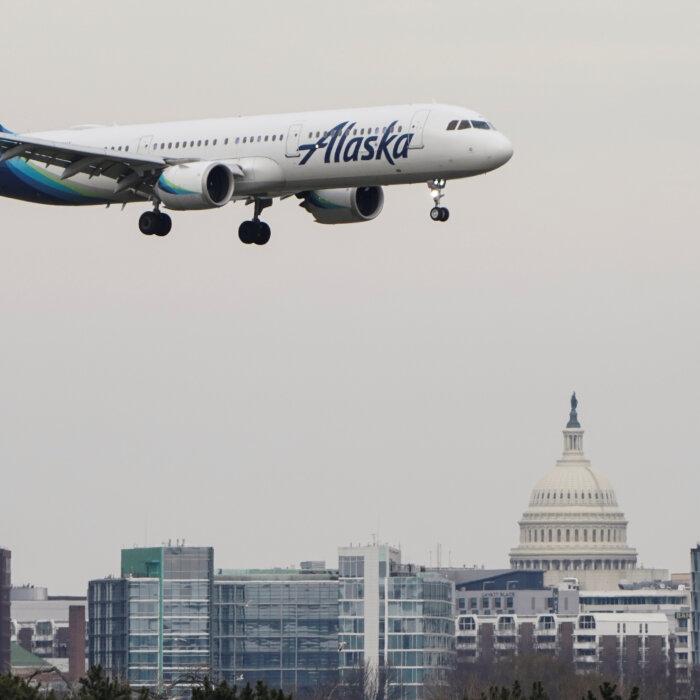
In Alaska, where the president said on social media it was his “honor” to deliver federal aid, Trump approved a sweeping disaster declaration covering the aftermath of severe storms, flooding, and remnants of Typhoon Halong that struck the state’s west coast between Oct. 8 and Oct. 13. The declaration authorizes a 100 percent federal cost share for all categories of relief assistance for 90 days and includes grants for temporary housing, home repairs, and low-interest loans to cover uninsured losses.Alaska Gov. Mike Dunleavy, a Republican, thanked Trump for the rapid approval following what he described as “historic” coastal damage that displaced thousands of residents and killed at least one person.

“We appreciate President Trump and FEMA again granting our request,” Armstrong said in a statement. “This assistance will especially help our utility providers by defraying their recovery costs and helping them hold down rates for the North Dakota residents they serve, who showed incredible grit and resiliency in quickly recovering from these severe storms.”
“This was a highly impactful storm,” Pillen said in a statement. “I appreciate the action by President Trump and his administration to ensure that recovery efforts move forward in areas that were greatly affected.”
Denials for Democratic-Led States
Trump denied disaster requests from Maryland, Illinois, and Vermont, prompting criticism from Democratic officials who accused the administration of playing politics with relief funds.“President Trump and his Administration have politicized disaster relief, and our communities are the ones who will pay the price,” Moore said in a statement, calling the decision “deeply frustrating.”
Maryland has deployed more than $450,000 from its State Disaster Recovery Fund to support affected residents, the first use of the fund in state history.
In Vermont, Trump denied a major disaster declaration for July floods that left small towns struggling to rebuild.
Eric Forand, the state’s emergency management director, said that many of these communities will have a hard time recovering without federal aid.
Illinois was also denied individual assistance for three counties hit by July storms and flooding.