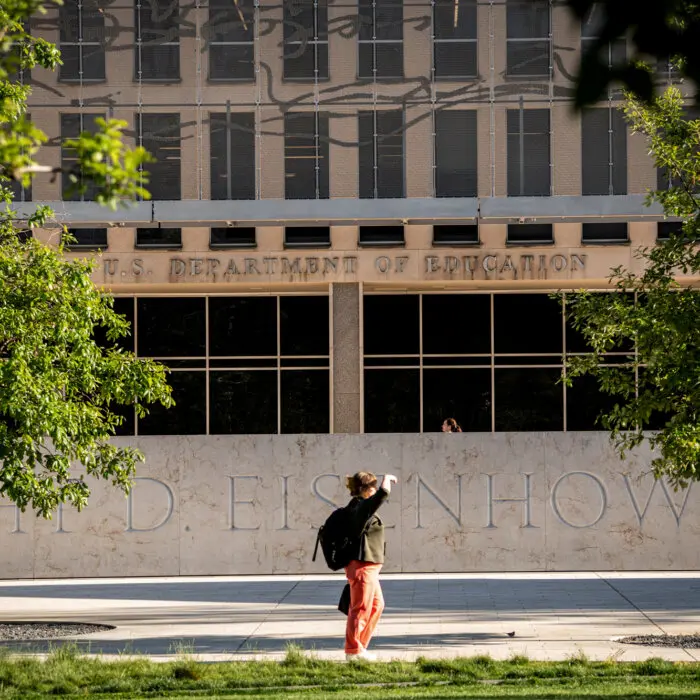
The U.S. Department of Education will suspend, for now, tax refund seizures and wage garnishments for people in default on their federal student loans.
One of the most significant changes is consolidating all income-driven repayment options into a single plan, dubbed the Repayment Assistance Plan (RAP). It will waive unpaid interest for borrowers who make on-time payments that do not fully cover accrued interest, and in certain cases will include small matching payments from the department to ensure that outstanding principal is reduced each month. RAP can also end in forgiveness if a borrower is still carrying a balance after 30 years of repayment.
The new repayment plan will be available beginning July 1, 2026, as some existing plans are phased out. Those who borrow after that date will have two options: RAP and a standard repayment plan with fixed monthly payments lasting 10 to 25 years, depending on the loan amount.
Education officials said the pause in involuntary collections will give defaulted borrowers additional time to evaluate these options once they consolidate their loans or complete a repayment or rehabilitation agreement.
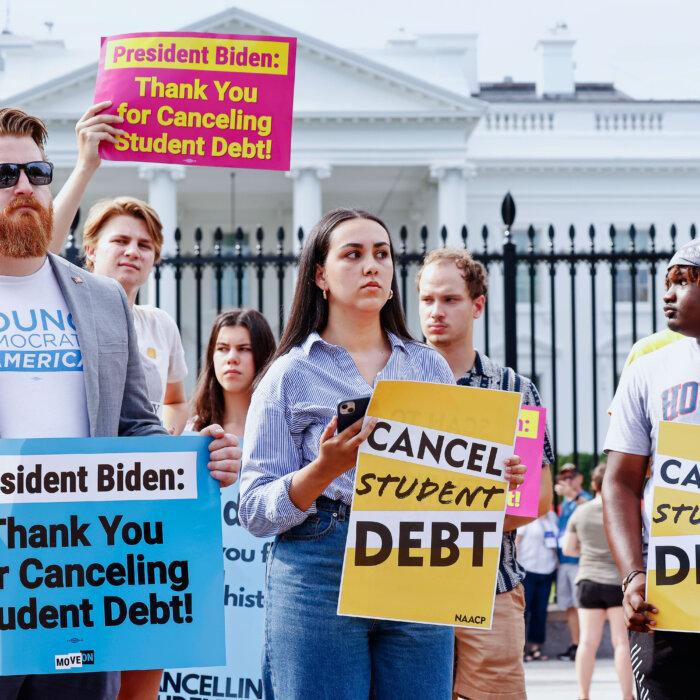
Involuntary collections have been suspended for nearly six years. The first Trump administration halted them in 2020 to ease economic burdens on Americans at the onset of the COVID-19 pandemic. Those suspensions remained in place throughout the Biden administration.
The second Trump administration resumed collections from borrowers in default. In the summer of 2025, the Education Department restarted the Treasury Offset Program, which seizes defaulted borrowers’ income tax refunds and certain government benefits, such as Social Security.
The latest decision delays that process, providing temporary relief to millions of borrowers who have fallen behind on their monthly bills.
“The Department determined that involuntary collection efforts such as Administrative Wage Garnishment and the Treasury Offset Program will function more efficiently and fairly after the Trump Administration implements significant improvements to our broken student loan system,” Under Secretary of Education Nicholas Kent said in a statement.
A borrower is considered in default when they have not made loan payments for more than 270 days. According to Federal Student Aid guidance, borrowers must be notified 65 days before their federal payments are seized and 30 days before their wages are impacted. The government can take up to 15 percent of a borrower’s disposable income—defined as income after mandatory deductions such as taxes—until the loan is fully repaid or brought out of default.
Another 2.7 million are in the early stages of delinquency, according to the institute.