The Department of Homeland Security (DHS) announced changes to the H-1B visa process on Dec. 23, marking the latest action in the Trump Administration’s immigration reforms.
Going into effect on Feb. 27, 2026, and set to be in place for the 2027 fiscal year H-1B cap registration season, the DHS will be implementing a “weighted selection process” intended to rein in the current random lottery system and prioritize higher-skilled and higher-paid foreign nationals.
“The existing random selection process of H-1B registrations was exploited and abused by U.S. employers who were primarily seeking to import foreign workers at lower wages than they would pay American workers,” said U.S. Citizenship and Immigration Services spokesman Matthew Tragesser.
“The new weighted selection will better serve Congress’ intent for the H-1B program and strengthen America’s competitiveness by incentivizing American employers to petition for higher-paid, higher-skilled foreign workers. With these regulatory changes and others in the future, we will continue to update the H-1B program to help American businesses without allowing the abuse that was harming American workers.”
While the new system prioritizes higher-skilled, higher-paid foreign workers, the system will still allow employers the opportunity to secure H-1B workers of all wage levels.
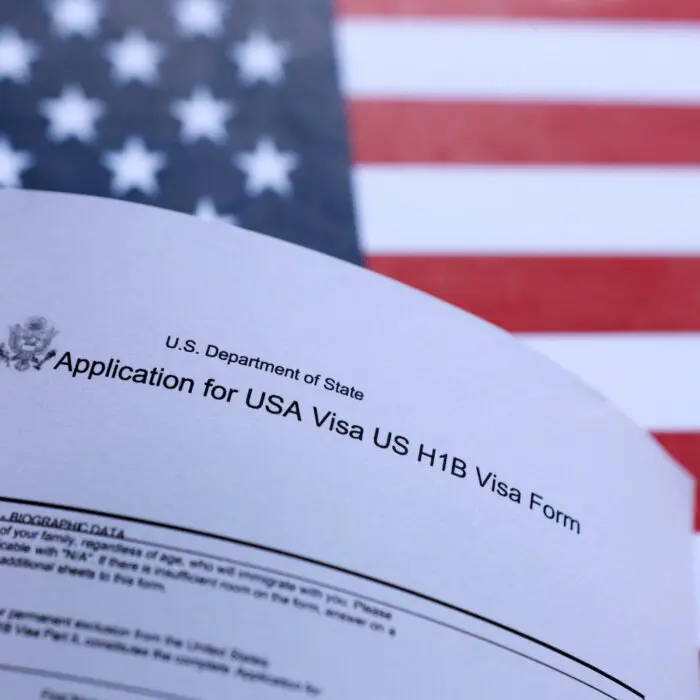
This move follows President Donald Trump’s proclamation requiring employers to pay an extra $100,000 per visa as an eligibility condition, and DHS Secretary Kristi Noem’s pausing of the Diversity Visa lottery program at the direction of Trump.
U.S. Citizenship and Immigration Services limited the issuance of H-1B visas to 65,000 per year, with 20,000 more for those who hold U.S. advanced degrees.
“As part of the Trump Administration’s commitment to H-1B reform, we will continue to demand more from both employers and aliens so as not to undercut American workers and to put America first,” said Tragesser.