The project proposed setting up a high-speed rail system based on superconducting magnetic levitation (Maglev) technology between Baltimore and Washington, at an estimated cost of almost $20 billion.
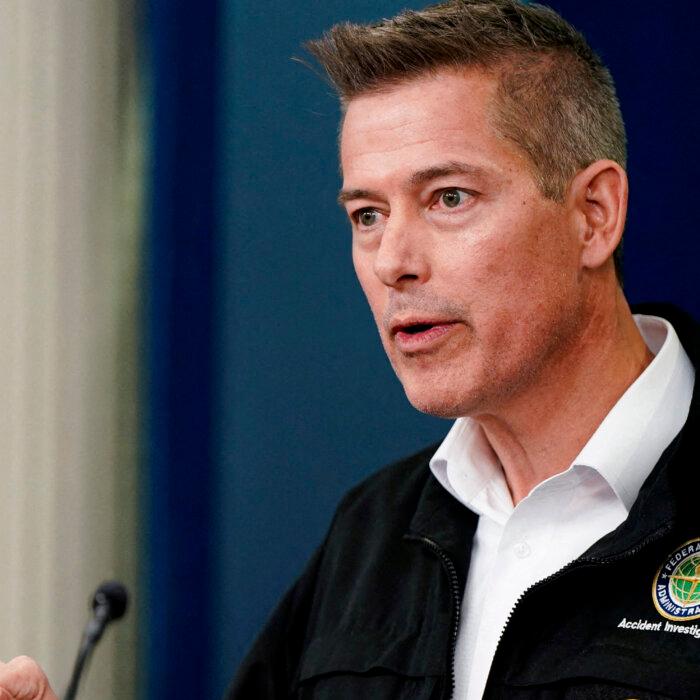
However, “after nearly a decade of poor planning, significant community opposition, tremendous cost overruns, and nothing to show for it,” Transportation Secretary Sean Duffy decided to end federal involvement in the project and save taxpayer funds, DOT said.
The FRA has been involved since 2016 in the project, which has been delayed numerous times. The grant was authorized in 2016. Since then, the environmental review process for the project has been paused twice. Since August 2021, the review has been on pause.

In addition to the direct cost to the government, indirect effects of the project “would also impair critical infrastructure and ongoing agency missions,” DOT said.
Had the project proceeded, the agencies harmed by it would have included the Department of Agriculture, the Department of Interior’s Fish and Wildlife Service and National Park Service, the National Security Agency, and the National Aeronautics and Space Administration, DOT added.
“We want big, beautiful projects worthy of taxpayer dollars—including high-speed rail. This project lacked everything needed to be a success, from planning to execution. This project did not have the means to go the distance, and I can’t in good conscience keep taxpayers on the hook for it,” Duffy said.
“We’ll continue to look for exciting opportunities to fund the future of transportation and encourage innovation.”
FRA said in the letter that the project, as planned, would have resulted in “significant, unresolvable impacts to federal agencies and federal property.”
Given the substantial cost overruns and delays, the agency could not see a “viable path” to continue investing in the project, it said.
As such, the FRA requested that the Maryland DOT submit final reports on the project and close out the agreement funding the initiative.
The project was expected to create “123,000 construction-related jobs and 38,000 in professional services in Maryland, and another 1,500 permanent jobs once operational,” according to the statement. It would add “$8.8 billion in employee earnings to [Maryland’s] economy, with ongoing operations expected to generate another $268 million annually,” it stated.
“This outcome did not happen by accident,“ the statement said. ”It is the result of relentless and unified opposition from our community and elected leaders—a coalition of residents, advocates, faith leaders, council members, and state legislators.”
“We voiced the concerns of thousands who would have been displaced, disconnected, or disregarded in the name of a project that served too few and risked too much,“ it said. ”We made it clear: our communities are not for sale, and infrastructure should uplift communities—not divide them.”