Customs and Border Protection (CBP) has warned travelers crossing the Mexican border into the United States that their dogs must comply with certain health measures to counter the threat posed by New World screwworms.
The Animal and Plant Health Inspection Service (APHIS) and the Centers for Disease Control and Prevention have issued separate entry requirements for dogs, according to a June 26 CBP statement.
Under APHIS regulations, dogs may enter the United States if they “appear healthy” and are accompanied by certificates issued by authorized government veterinarians.
Such a certificate should state that the dog was inspected five days before being shipped to the United States and is either free from New World screwworm (NWS) or was previously infested with the parasite, held in quarantine, and eventually treated to recovery.
The CBP encouraged travelers to carry recent veterinary records that reveal the dog’s current health diagnosis.
All dogs entering from Mexico must carry a CDC Dog Import Form receipt, be at least six months old, and be microchipped. The dog should appear healthy, including being free of any wounds or lesions. The U.S. Department of Agriculture (USDA) has additional conditions for the commercial shipment of dogs.

The entry regulations apply not only to dogs originating outside the United States but also to U.S.–origin dogs coming back to the United States after traveling abroad.
“CBP personnel will strictly enforce these requirements and take action to prevent the smuggling of live animals, including dogs,” the agency said.
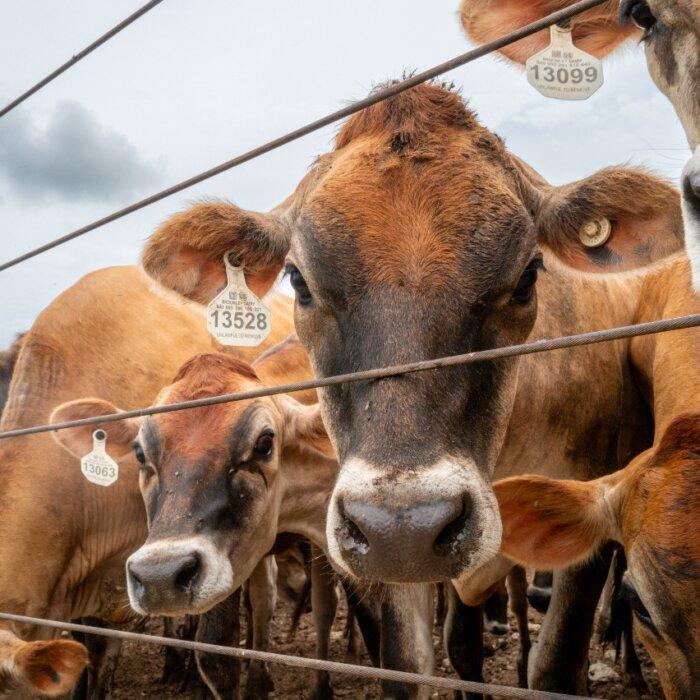
The focus on ensuring that dogs entering the United States are free of NWS stems from the way these parasites spread and their disastrous effects on cattle.
If a dog has an NWS infestation and enters the United States in such a condition, it can lead to the emergence of new swarms.
Commenting on the APHIS and CDC entry requirements, Timothy Lacasse, the CBP’s acting director of agriculture programs and trade liaison, said that “protecting the health of animals and the public is a top priority for CBP.”
“By enforcing these requirements, we help prevent the introduction and spread of dangerous pests and diseases, ensuring the safety of our communities and livestock,” he said.
On June 11, the Food and Drug Administration issued an emergency use authorization for generic Nitenpyram tablets to treat NWS infestations in puppies, dogs, and kittens that are at least four weeks old and weigh a minimum of 2 pounds.
According to the agency, the tablets work quickly, killing most NWS larvae within hours of the animal’s first dose. A second dose must be administered six hours after the first. The effects of the medication are short-acting, which means it cannot protect against reinfestation, the agency clarified.
This is the first generic animal drug authorized for use against NWS pests.
“The U.S. government is maintaining an aggressive approach to stop the spread and eradicate this pest,” Health Secretary Robert F. Kennedy Jr. said.
“When I signed the initial emergency declaration back in August 2025, we established a proactive defense. Today’s authorization is the latest tactical tool in that ongoing containment strategy—providing an affordable, fast-acting treatment for dogs and cats in affected areas.”
In August 2025, the Health and Human Services issued a declaration allowing the Food and Drug Administration to grant emergency use authorizations for animal drugs to prevent or treat NWS infestations.
According to USDA data, there had been 27 reported animal cases of NWS infections over the previous 30 days as of June 29, out of which 20 cases were active. Most of the infections have been reported in Texas and have affected sheep and cattle.