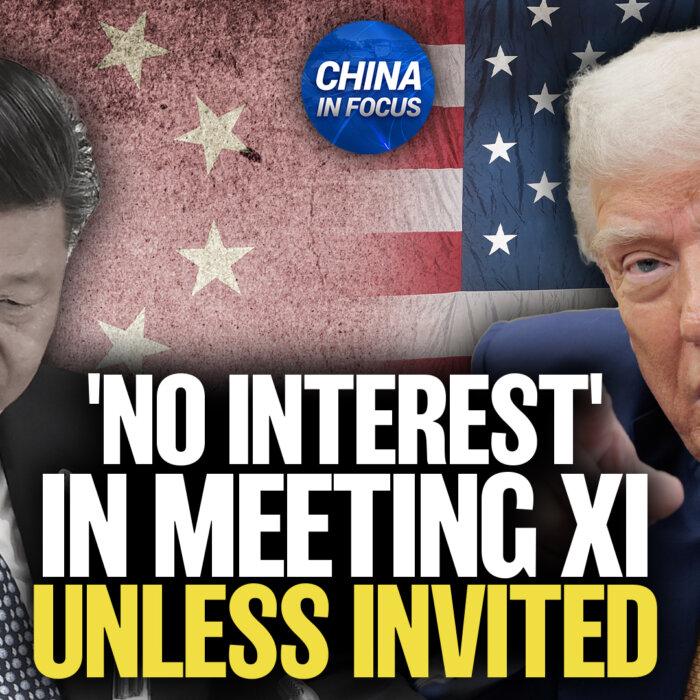
Treasury Secretary Scott Bessent said on July 29 that he has warned the Chinese regime that it could face sweeping U.S. trade penalties if it continues to purchase oil from Russia amid its ongoing invasion of neighboring Ukraine.
He said Chinese officials responded to the warning by saying China was a sovereign nation with energy needs, and that decisions regarding oil purchases would be based on the nation’s internal policies.
“The Chinese take their sovereignty very seriously,” Bessent told reporters. “We don’t want to impede on their sovereignty, so they'd like to pay a 100 percent tariff.”
The bill, titled the “Sanctioning Russia Act of 2025,” was crafted by Sens. Lindsey Graham (R-S.C.) and Richard Blumenthal (D-Conn.), and has 85 cosponsors in the Senate.
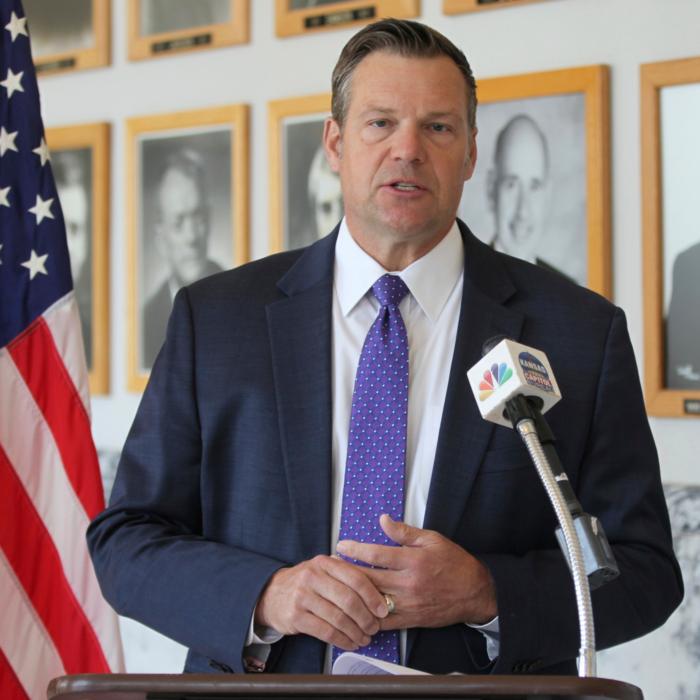
Bessent said the legislation, which has not yet advanced in the Senate, would encourage U.S. allies to take similar steps to cut off Russia’s energy revenues.
“We’ve heard from several of our European counterparts, NATO allies ... that they will be following on that,” he said.
“We expect most of the Western alliance that has been supporting Ukraine to follow that.
“So I think anyone who buys sanctioned Russian oil should be ready for this.”
The Chinese regime purchased 47 percent of Russia’s crude oil exports between December 2022 and the end of June 2025, despite a European Union embargo on Russian oil products.
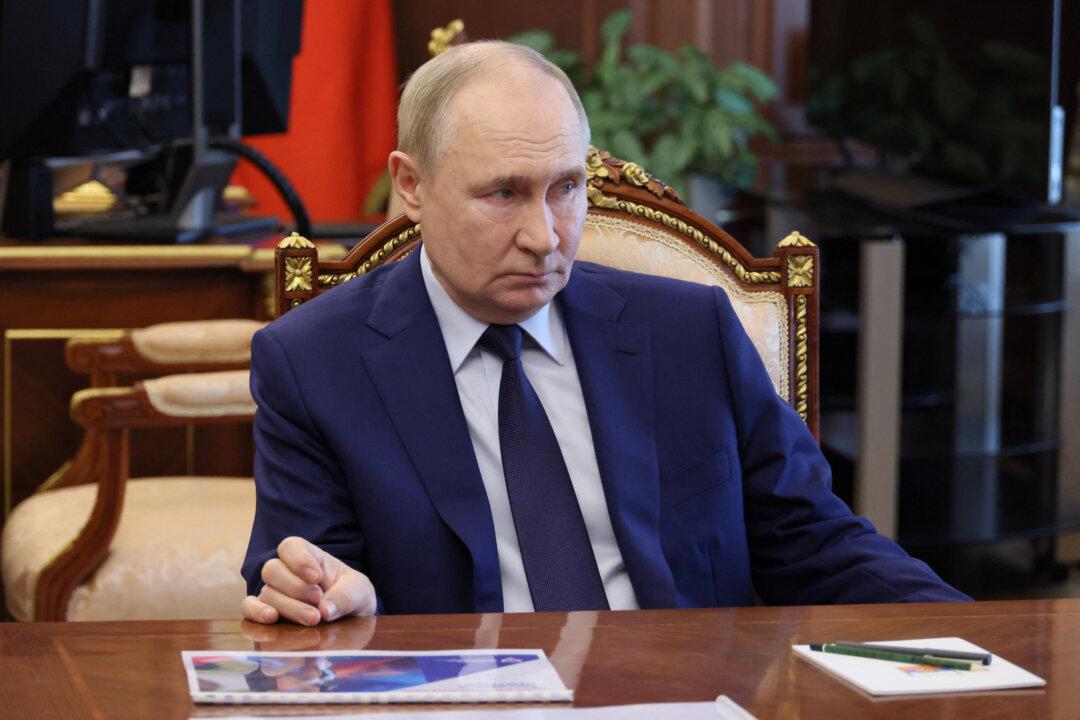
Bessent’s comments came just hours after Trump said Russian President Vladimir Putin would be given 10 days to agree to a cease-fire deal with Ukraine or face a fresh round of sanctions.
The president acknowledged that it was not clear how the new date would impact Putin’s decision-making and said he was not concerned about the potential impact of Russian sanctions on the oil market or prices. He promised to boost domestic oil production to offset any impact.
“I don’t know if it’s going to affect Russia, because [Putin] wants to obviously, probably keep the war going,” Trump said. “It may or may not affect them, but it could.”
His shortening timeline for the Russian leader to reach an agreement with his Ukrainian counterpart, President Volodymyr Zelenskyy, comes amid continued Russian strikes on Ukrainian cities, including the capital, Kyiv.
Speaking at the press conference in Stockholm, Bessent also said the United States has expressed to China its disappointment at the country’s continued purchase of sanctioned Iranian oil, of which he said the Chinese regime buys around “90 percent.”
The United States also shared its concern that China has sold to Russia more than $15 billion worth of dual-use technology goods that have bolstered Moscow’s war against Ukraine, he said.
Despite those concerns, the “overall tone of the meetings” with his Chinese counterpart was “very constructive,” he said.