CIBanco and Intercam are commercial banks with assets worth more than $7 billion and $4 billion, respectively. Vector is a brokerage company managing almost $11 billion in assets.
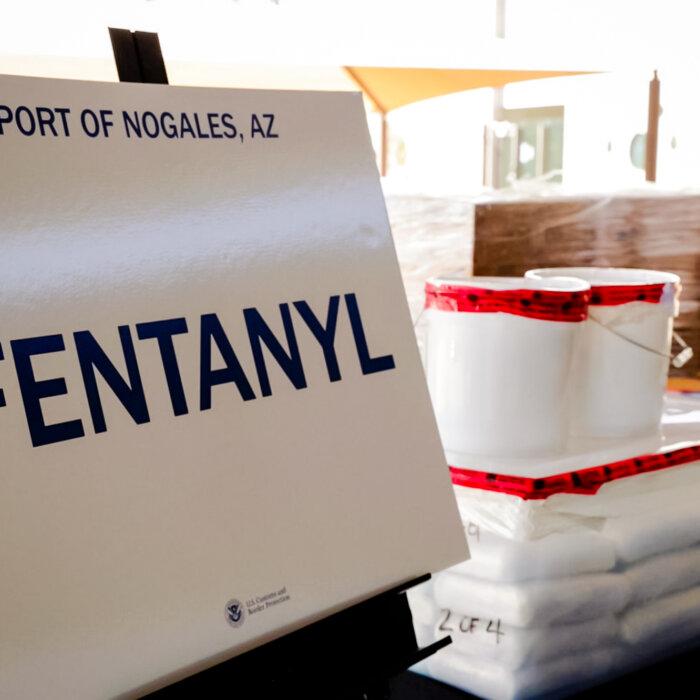
FinCEN has determined that the entities launder money in connection with illicit opioid trafficking, and have “collectively played a longstanding and vital role in laundering millions of dollars on behalf of Mexico-based cartels and facilitating payments for the procurement of precursor chemicals needed to produce fentanyl,” the statement reads.
CIBanco facilitated illicit opioid trafficking by Mexican cartels such as Jalisco New Generation Cartel, Beltrán Leyva Cartel, and Gulf Cartel. Intercam was linked to Jalisco New Generation Cartel, and Vector with the Sinaloa Cartel and Gulf Cartel, according to the statement.
FinCEN said that between 2021 and 2024, CIBanco processed more than $2.1 million in payments from Mexico-based companies to entities in China that shipped precursor chemicals to Mexico. Intercam processed more than $1.5 million during the same period.
As for Vector, the institution processed more than $1 million between 2018 and 2023.
The sanctions prohibit financial institutions in the United States from engaging in the transmission of funds from or to CIBanco, Intercam, or Vector. The prohibition also applies to any account or convertible virtual currency address administered by the three institutions.
“CIBanco maintains constant communication with the relevant Mexican and U.S. authorities and reaffirms its full willingness to cooperate,” the statement reads.
Illicit Transactions
In a June 25 statement, Mexico’s Ministry of Finance and Public Credit said it had asked the U.S. Treasury for evidence of CIBanco, Intercam, and Vector having links to illicit activities that could be corroborated by Mexico’s Financial Intelligence Unit (UIF) or its National Banking and Securities Commission.“However, no substantiating information was received,” it said.
“The only information provided by the Treasury Department that Mexico can verify contains data on some wire transfers made through the aforementioned financial institutions to legally incorporated Chinese companies. However, thousands of these transactions are made through Mexican financial institutions.
“The UIF found transactions made to these Chinese companies by more than 300 Mexican companies through 10 Mexican financial institutions. This is because Mexico has thousands of regular transactions with legally incorporated Chinese companies, with annual trade totaling $139 billion.”
The ministry clarified that if it receives “conclusive information” proving that CIBanco, Intercam, and Vector engaged in illicit activities, it will “act to the fullest extent of the law.” However, the ministry has not received any such information to date, it said.
The two acts provide the Treasury with additional powers to target money laundering linked with the trafficking of fentanyl and other synthetic opioids. These are the first actions taken by FinCEN under the two acts, according to the Treasury.
Secretary of the Treasury Scott Bessent said that “financial facilitators like CIBanco, Intercam, and Vector are enabling the poisoning of countless Americans by moving money on behalf of cartels, making them vital cogs in the fentanyl supply chain.”
“Today’s actions affirm Treasury’s commitment to using all tools at our disposal to counter the threat posed by criminal and terrorist organizations trafficking fentanyl and other narcotics,” he said.
China’s Long Game
In an interview with podcaster Joe Rogan on June 6, FBI Director Kash Patel said the Chinese regime’s plan is to weaken the United States over the long term using the fentanyl crisis.He said the Chinese Communist Party has not made much money off the drug trade by supplying precursor chemicals. The plan is to “take out generations of young men and women” who could have become police officers, soldiers, or teachers, Patel told Rogan.
“That’s what they [China] are doing, when you wipe out tens of thousands of Americans a year,“ he said. ”It’s a long-term plan for them.”
Following a recent trade agreement, China has announced new controls for two fentanyl precursors.