GREEN VALLEY, Ariz.—At the end of an underground corridor, about 250 feet from the launch control facility, the Titan II missile stands as one of the Cold War’s last guardians of the free world.
It rises from its silo—silent, imposing, and still ready for a launch that will never come. Its nuclear warhead was dismantled decades ago.
Originally known as Air Force Facility Missile Site 8, or Site 571-7, the hardened complex now serves as the Titan Missile Museum.
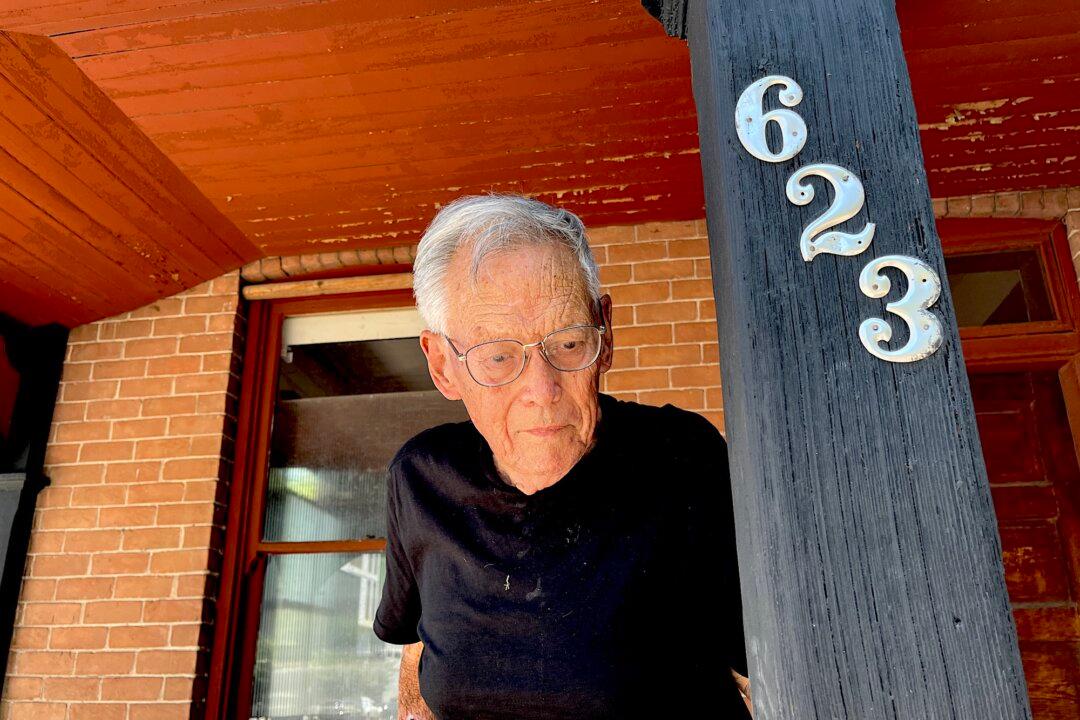
Don Alston of Glendale remembers the site in its operational days, when the nation lived under the constant threat of a Soviet nuclear first strike.
The doctrine of mutual assured destruction held that a nuclear war could not be won if both sides possessed the capacity to destroy each other.
Alston spent years bearing that responsibility as a member of the Air Force’s intercontinental ballistic missile force during the Cold War.

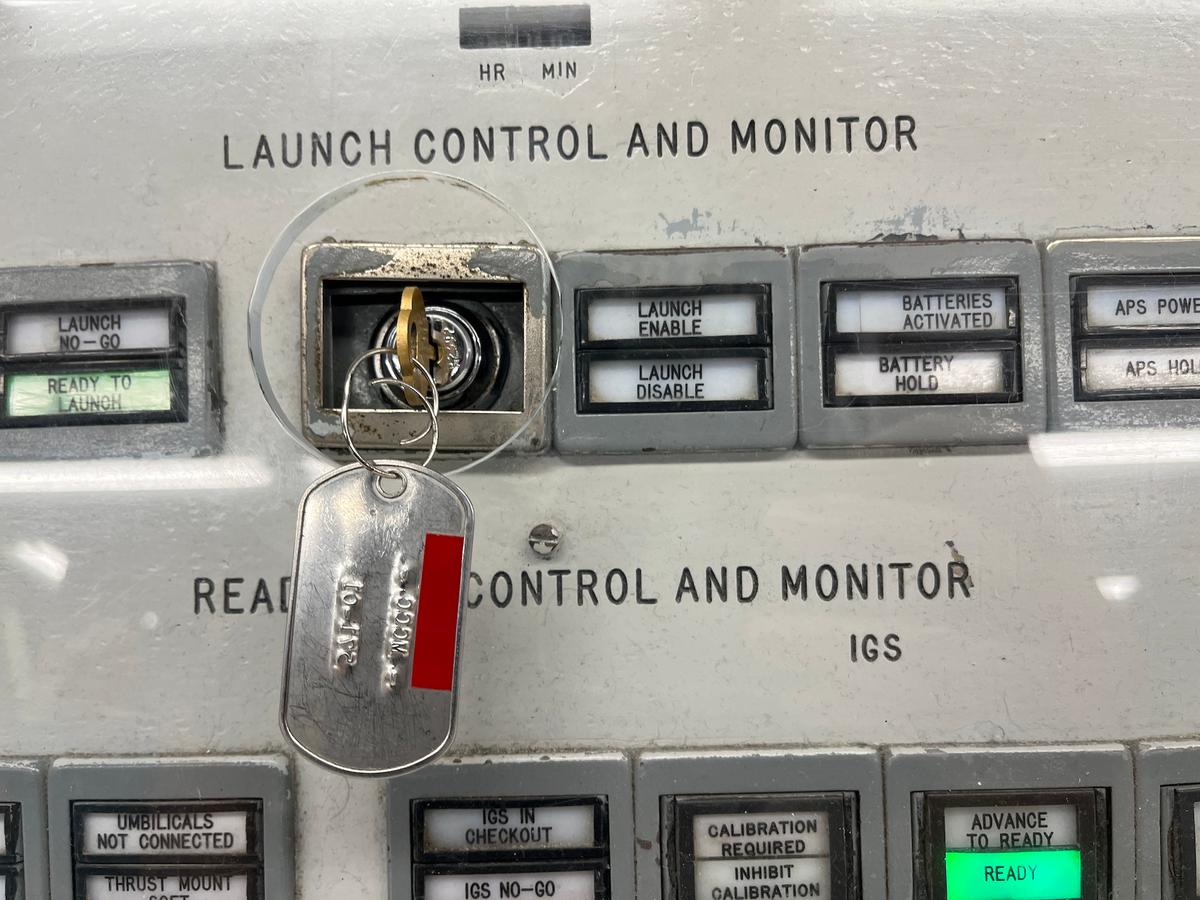
The mission at Site 571-7 never slept. Its four-person crew stood watch around the clock, trained and ready to tip the balance of terror with the turn of a key.
In March 1979, Alston began his first nuclear “alert,” or watch, at Site 571-7 in the scorching desert of Green Valley.
He spent months preparing for the job, beginning at Sheppard Air Force Base in Texas, where he learned the physical and mechanical aspects of the Titan II system.
At Vandenberg Air Force Base in California, he learned to operate the weapon system and master the emergency war order procedures.
These were the classified protocols that enabled the president and the chain of command to control the nation’s nuclear forces.
Additional instruction at Davis-Monthan Air Force Base in Tucson certified him for missile duty.
“I had already spent a night in training somewhere else within the 390th Strategic Missile Wing complex watching a crew perform an alert, so I was well-prepared to get to work,” Alston told The Epoch Times.
“But to go to the missile field with three other crew members I had only recently become acquainted with and to be accountable for the mission was a new experience.”
As one of the two officers on a Titan II crew, Alston remembers the “profound moment” that began every alert.
The missileers, as they were called, followed strict security procedures before taking their posts.
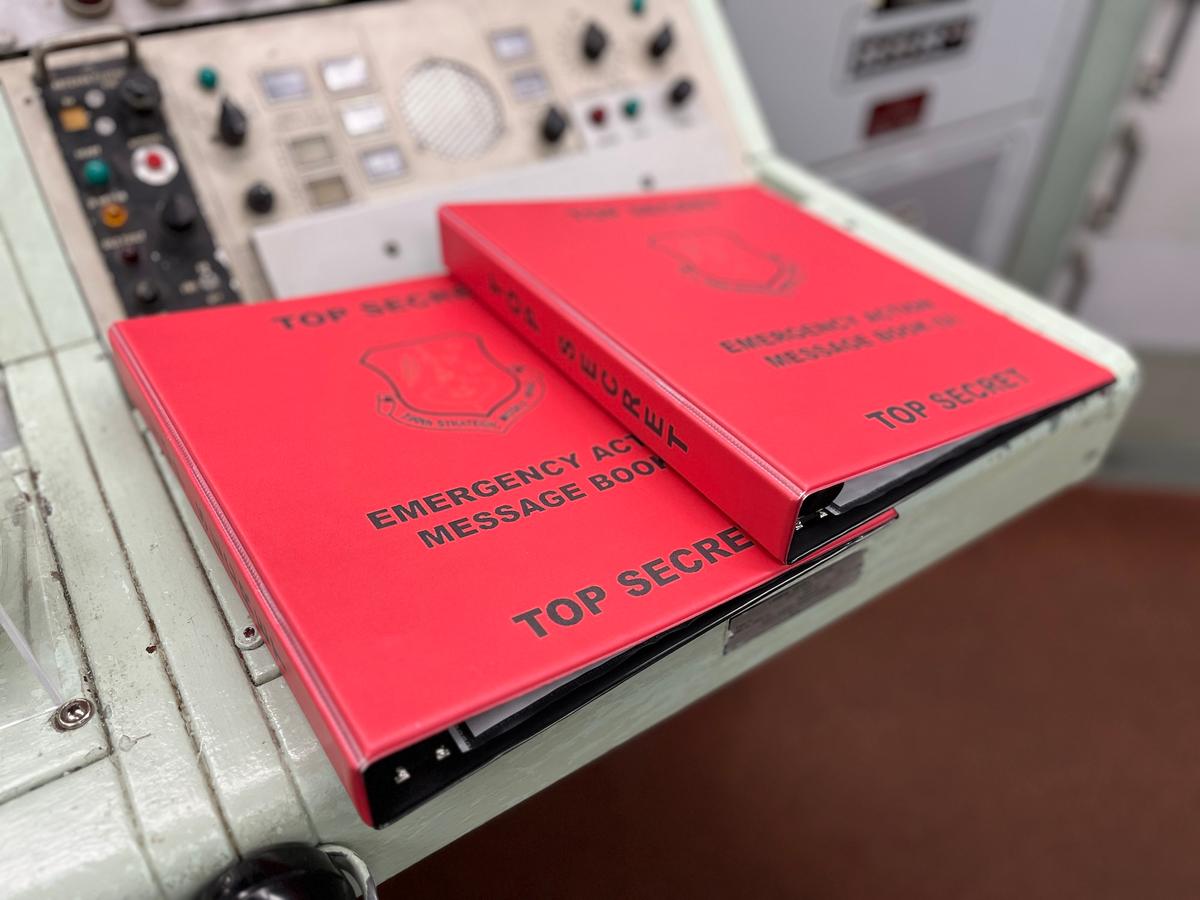
The process began with an inventory of the launch keys and control documents. The crew then signed their names and affixed personal locks to the container where they were stored.
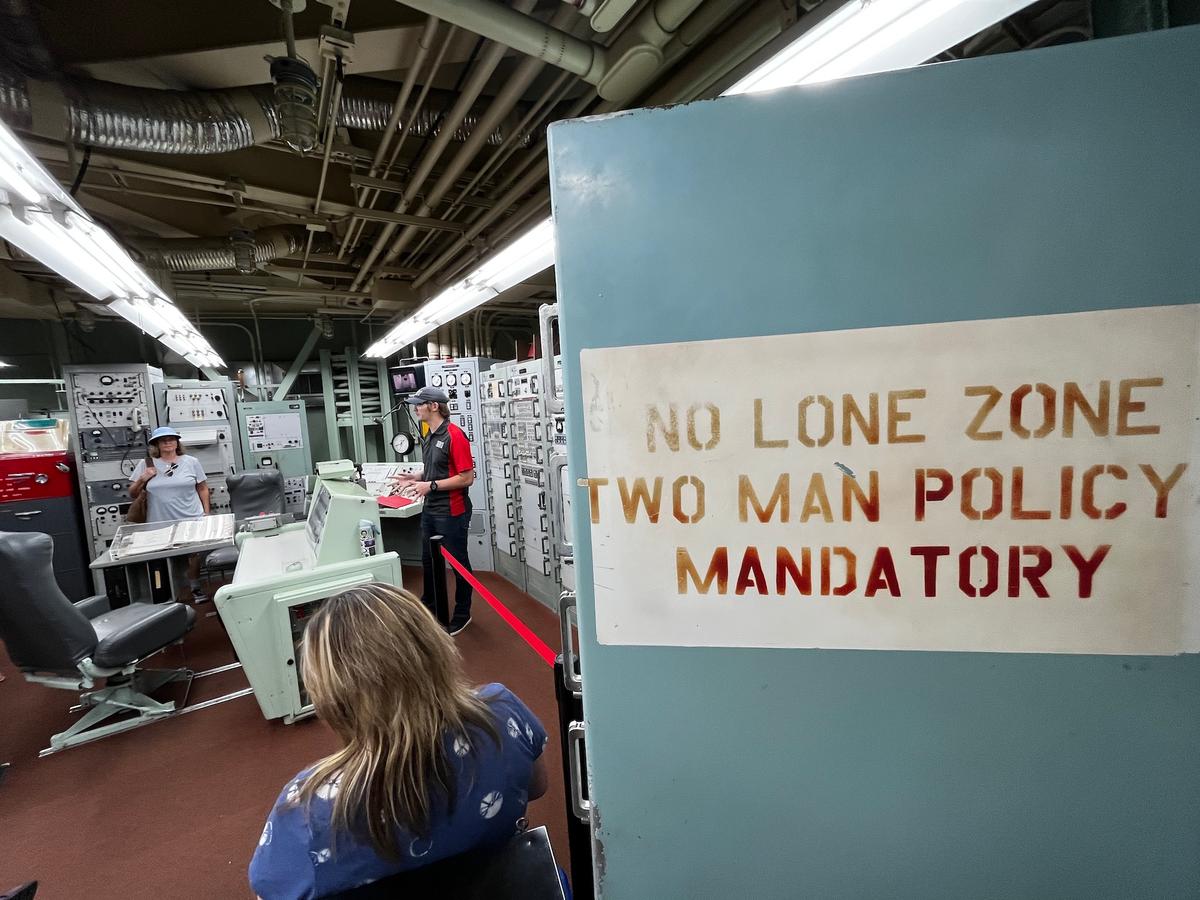
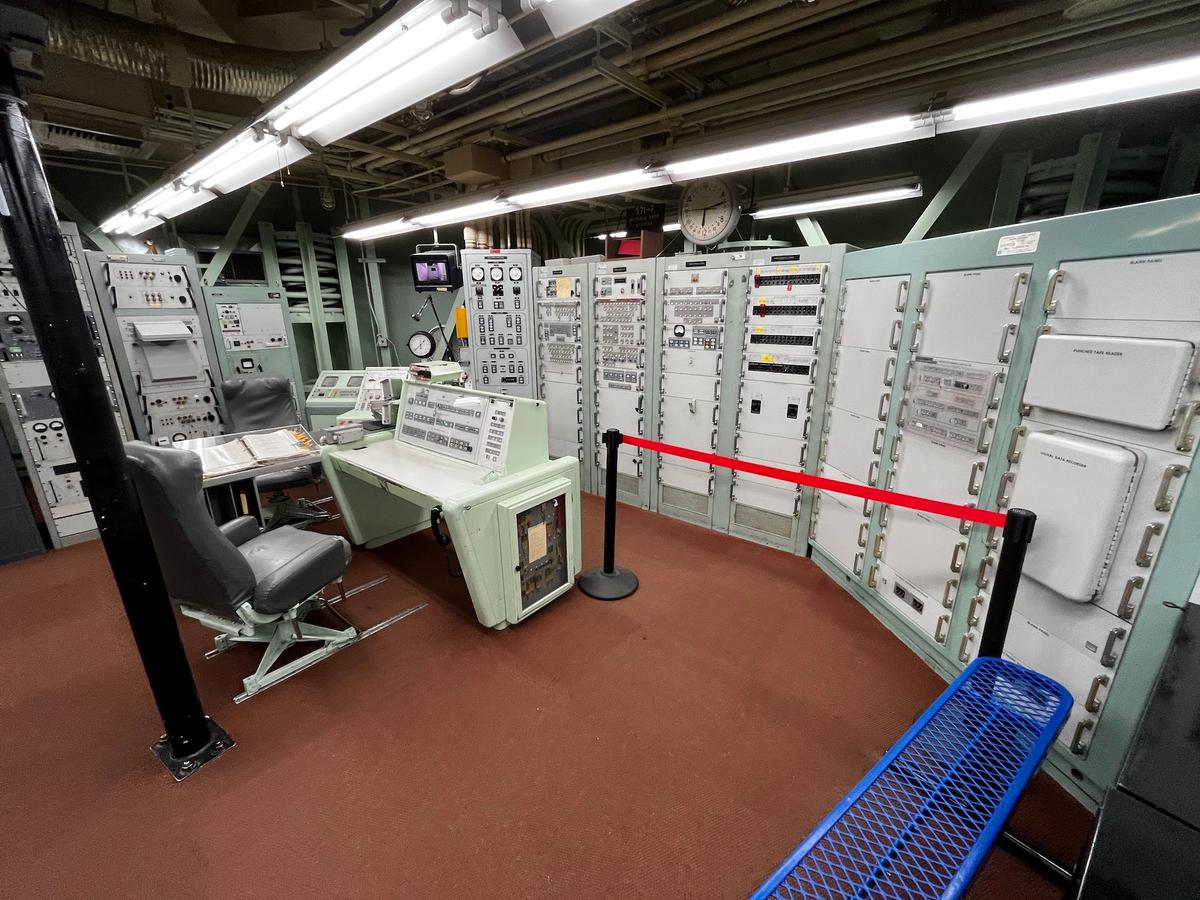
Missile operators could never be alone inside the launch control center, about 150 feet underground, sealed behind steel blast doors, each weighing around three tons.
From his first alert at Site 571-7 in March 1979 until his retirement 34 years later, Alston carried the responsibility the Air Force entrusted to him.
That first night on watch with the ballistic missile analyst technician, after the crew commander had gone to bed, he fully grasped the enormity of the mission.
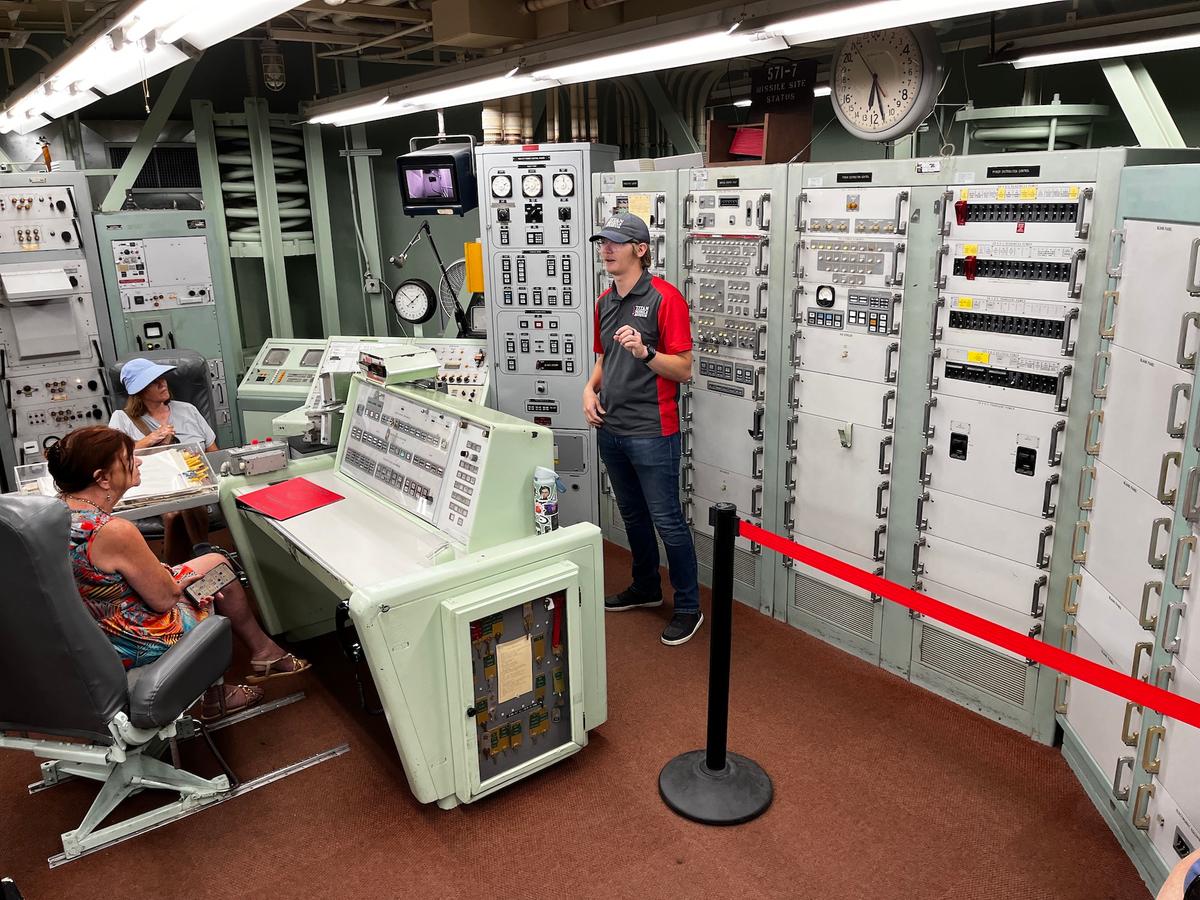
His friends studying to become surgeons had yet to make their first incision on a cadaver. Alston, meanwhile, stood alert with responsibility for the free world’s largest nuclear weapon.
There were a hundred or more alerts before Alston became an emergency war order instructor, teaching crew members nuclear command and control.
The image of the Titan II sleeping in its silo stays fixed in his memory.
“It’s an awesome view of the Titan II from the bottom of the flame deflector,” he said.
Titanic Weapon
The Titan II missile program began in October 1959 after the Martin Co. proposed its development the previous year.
In December 1962, just two months after the 13-day Cuban missile crisis, the first Titan II missile was installed. The first operational unit was transferred to Strategic Air Command in March 1963.
“Four important changes distinguished the Titan II from its predecessors, the Atlas F and the Titan I,” according to the Titan Missile Museum.
“First, the Titan II used nitrogen tetroxide (oxidizer) and unsymmetrical dimethyl hydrazine (fuel) as its propellants.”

Its delivery vehicle carried a W-53 nuclear warhead with a nine-megaton yield—about 600 times more powerful than the atomic bomb dropped on Hiroshima on Aug. 6, 1945.
From liftoff to target, the flight time was 30 minutes at 16,000 miles per hour.
“Only 5.5 minutes of that was powered flight. The other 24.5 minutes was ballistic free flight,” according to the Titan Missile Museum.
Each site included a missile silo, launch control facility nearly 200 feet underground, and access portal.
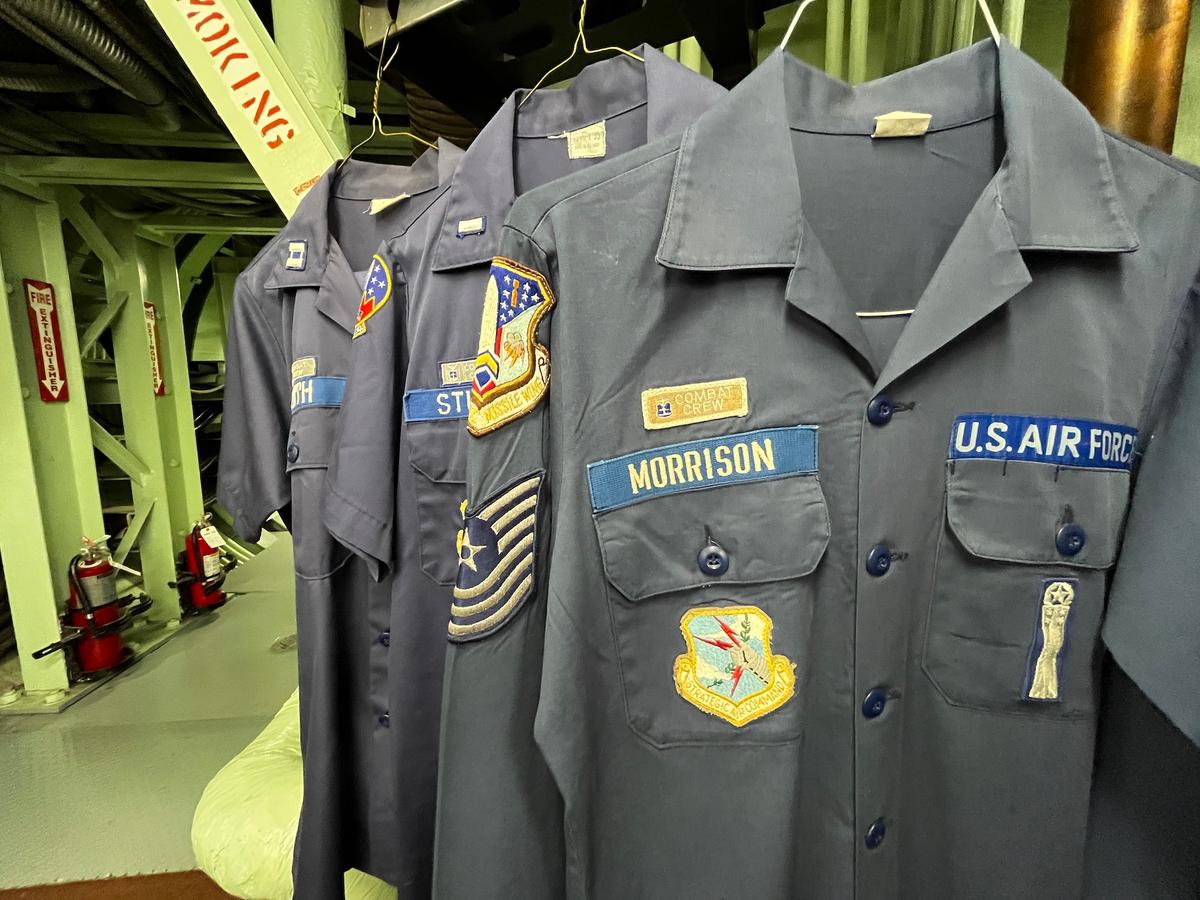
Staffed around the clock, 365 days a year, four-person missile combat crews deployed for 24-hour shifts known as alerts.
Crews typically served eight to nine alerts a month and consisted of two officers—the commander and deputy commander of the missile combat crew—and two enlisted personnel: the ballistic missile analyst technician and missile facilities technician.
Fifty-four Titan II ICBMs were deployed in groups of 18 across three Air Force bases in Arizona, Kansas, and Arkansas.
Considered combat duty, Titan II crew assignments were limited to men when the system became operational in 1963.
In 1978, the Air Force opened the career field to women.
Retired Air Force Col. Linda Aldrich, 75, of Colorado, was an English literature major in college when she decided to enlist in the Air Force.
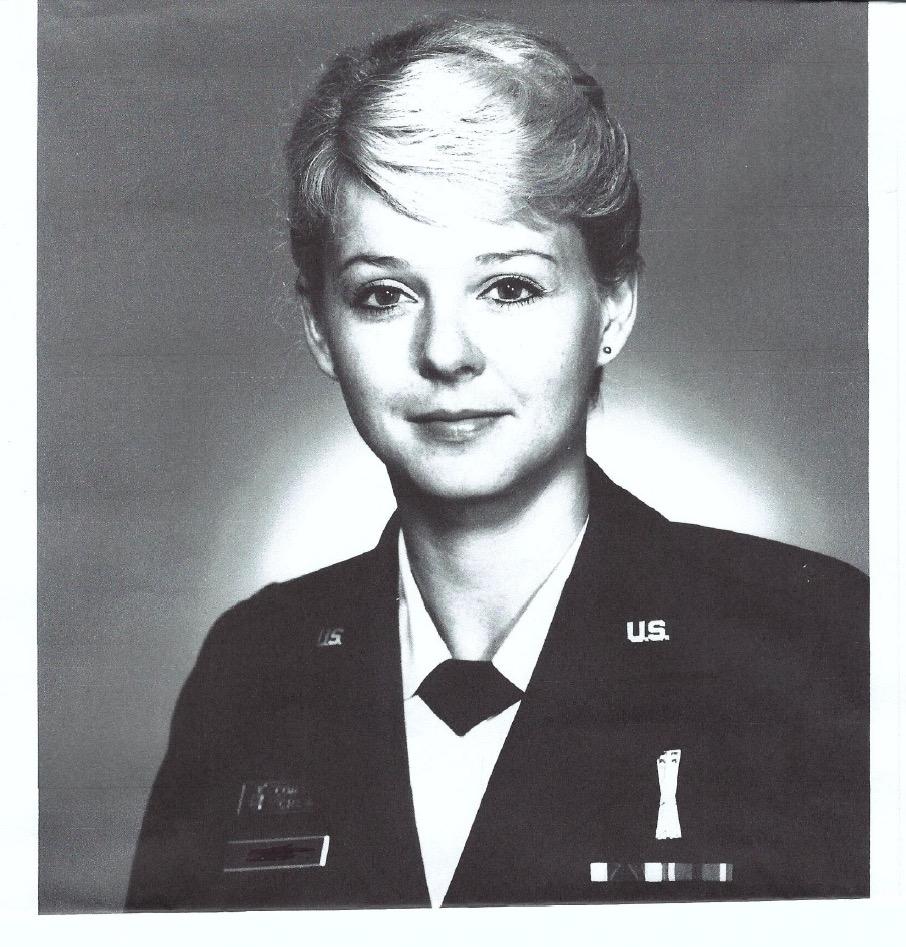
“When you’re an English major, you’re very OCD—attention to detail oriented,” Aldrich told The Epoch Times. “That works really well working with nukes. We wanted people who paid attention to detail.”
Strangely enough, she said, it turned out to be a “really good fit.” Before enlisting, she was given two choices: “You’re going to be in missiles, or you’re going to be a civilian.”
“I said I would love to be in missiles,” Aldrich said.
Aldrich began her Air Force career as a Titan II missile launch operator and was selected for the first class of women to integrate the Minuteman II weapon system.
“We weren’t particularly welcome, which to us was silly,” Aldrich said. “All of us had been on crews in Titans.”
Her Minuteman II integration experience led Strategic Air Command to select her for the Harvard Law School Forum on Combat Exclusion Policies.
She later provided testimony before the Presidential Commission on the Assignment of Women in the Armed Forces, according to her biography.
Aldrich then served as a nuclear war plan adviser to the USSTRATCOM commander in chief and commanded the 319th Minuteman III Missile Squadron at F.E. Warren Air Force Base, Wyoming.
She also led AFROTC Detachment 105 at the University of Colorado–Boulder and helped develop and execute military participation plans for the 2001 presidential inauguration as a member of the Armed Forces Inaugural Committee.
Aldrich retired in 2011 as chief of basing and international affairs at Headquarters Air Force Space Command, Peterson Air Force Base.
She currently serves as the Air Force Association’s Colorado state president, its Rocky Mountain Region president, and a member of the Air Force Association of Missileers Board.
While serving with the Titan II crew in Little Rock, Arkansas, Aldrich never lost sight of the titanic responsibility of being a missile operator.
“There’s a very strict procedure for getting on site. You would have to code in at the perimeter fence,” she said.
“Then you drove your truck in, and then you had to code in to get the first step to going downstairs into the launch control center. So it’s a step-by-step process to make sure that nobody’s there that shouldn’t be there.”
Every missile had a target, but the missiles themselves were also targets.
Missile operators knew they could be among the first casualties of an enemy strike, Aldrich said.
“The most important part of the job was deterrence,” she said. “I believe all of us were fully aware that we were a target. Our mission was to be so good that they would not take a chance on us doing our job and launching anything.”
It was dangerous work, Aldrich said, and missile operators had to be at the top of their game at all times.

“When your missile is right down the hallway from where you work, and it’s liquid propellants, it is a dangerous line of work,” she said.
The Titan II program was marred by two major accidents at launch complexes in Arkansas.
On Aug. 9, 1965, at Launch Complex 373-4 in Searcy, Arkansas, 53 civilian workers died after a fire erupted during a modification procedure deep underground.
Fifteen years later, on Sept. 19, 1980, an airman was killed at Launch Complex 374-7 near Damascus, Arkansas, after a maintenance accident caused a vapor leak in the Titan II first-stage fuel tank. The escaping fuel vapors ignited, blowing off the 740-ton silo door and ejecting the nuclear warhead.
Life Down Below
Aldrich said a typical day began with arriving at the Titan II site and completing the required coding procedures before entering the underground facility.
Crews then conducted a changeover with the team completing its alert.
“You need to concentrate on your job when you go out on alert,” Aldrich said. “That’s why we have this personnel reliability program. You’ve already had a background check, but it’s also just about can you focus on your job?
“You never left a site unmanned.”
The rogue actor scenario portrayed in the 1964 black comedy “Dr. Strangelove or: How I Learned to Stop Worrying and Love the Bomb” was nearly impossible under such robust control procedures, Aldrich said.
“There wasn’t going to be a mistake there. When you go to what happened with Damascus—that was a maintenance accident,” she said.
“It’s not like somebody’s going to go rogue and be able to do it on their own. That’s not going to happen.”
Boredom during alerts was always a consideration, but Aldrich never experienced it. The enlisted men and women were skilled instructors who shared their knowledge whenever they had the opportunity.
“If there was free time, they were going to teach you something if you wanted to learn,” Aldrich said.
Aging missile technology led to the Titan II system’s replacement in 1982 by the more advanced Minuteman ICBM program, later followed by plans for the Sentinel system.
The Titan Missile Museum opened to the public in May 1986 and was designated a historic landmark in April 1994.
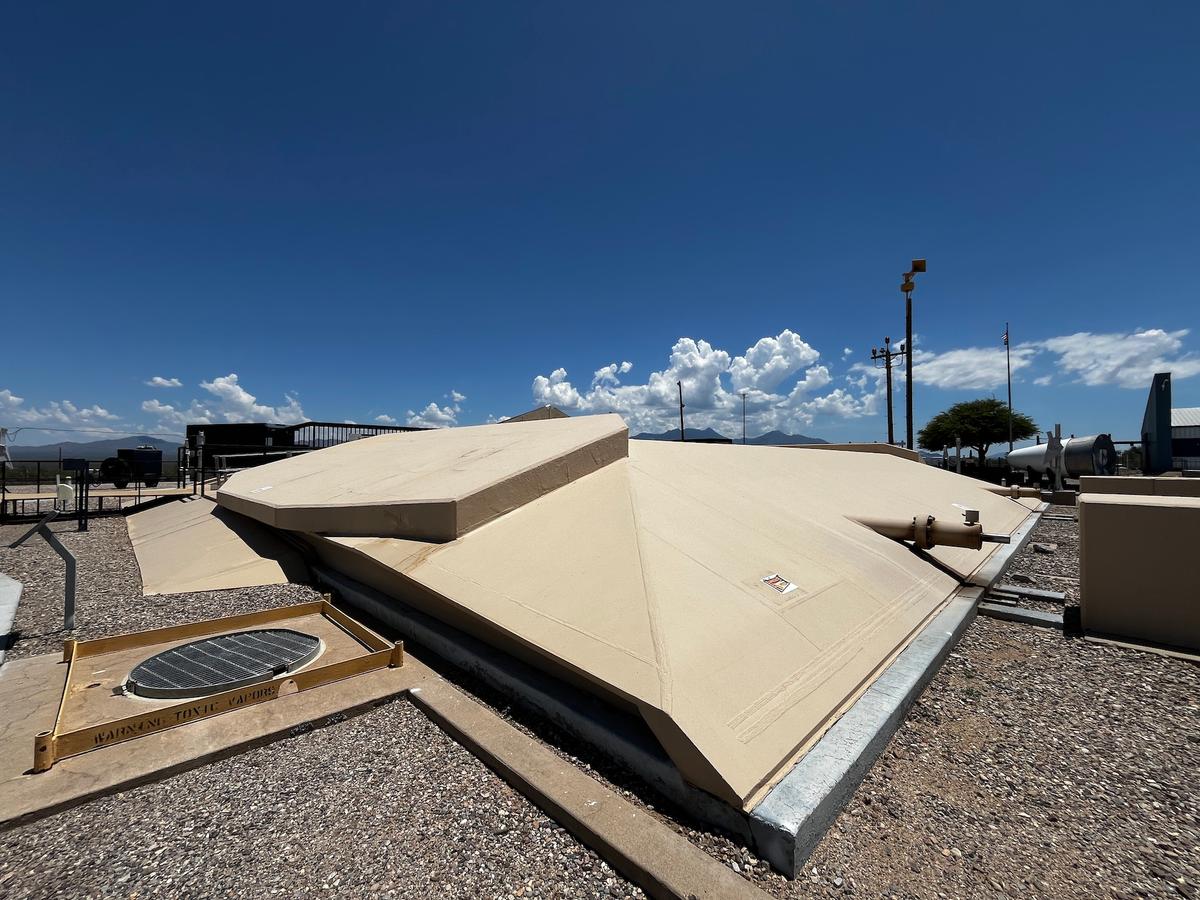
Under a U.S.–Soviet strategic arms control treaty, the massive silo doors remain permanently locked in a half-open position.
The configuration prevents the missile from being fired, if it were still operational, and enables Russian satellites to verify the site.
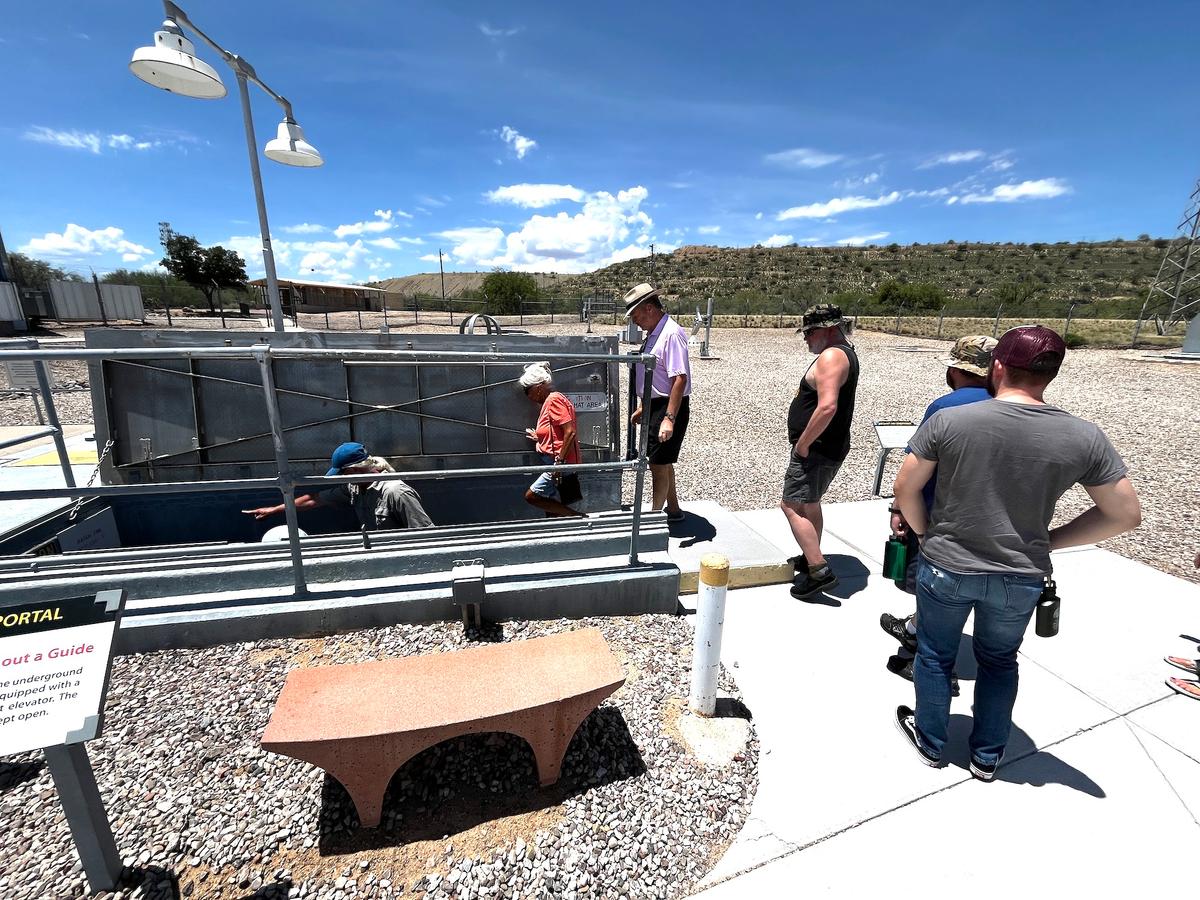
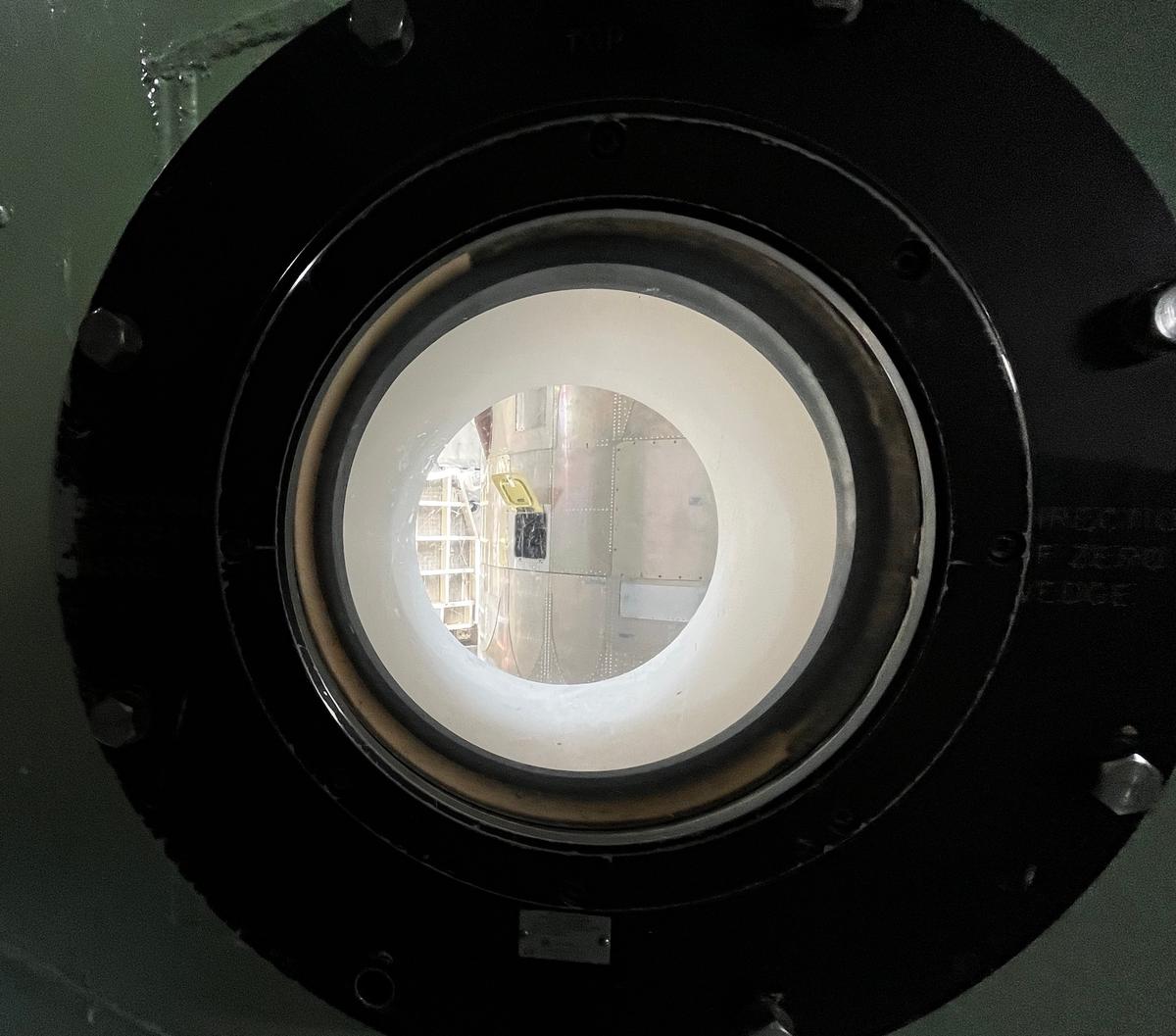
A glass window gives visitors a view of the missile resting inside the silo.
The museum continues its Cold War legacy through daily tours.
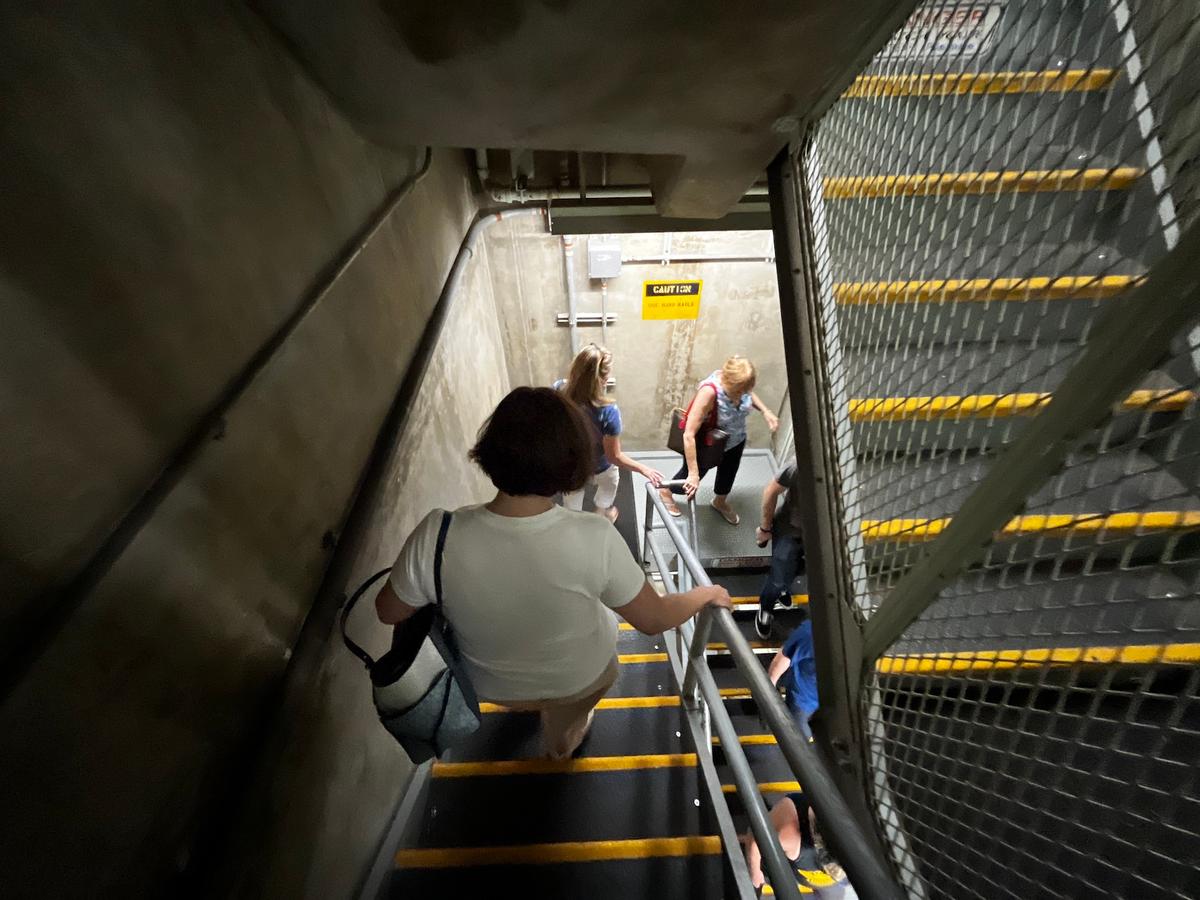
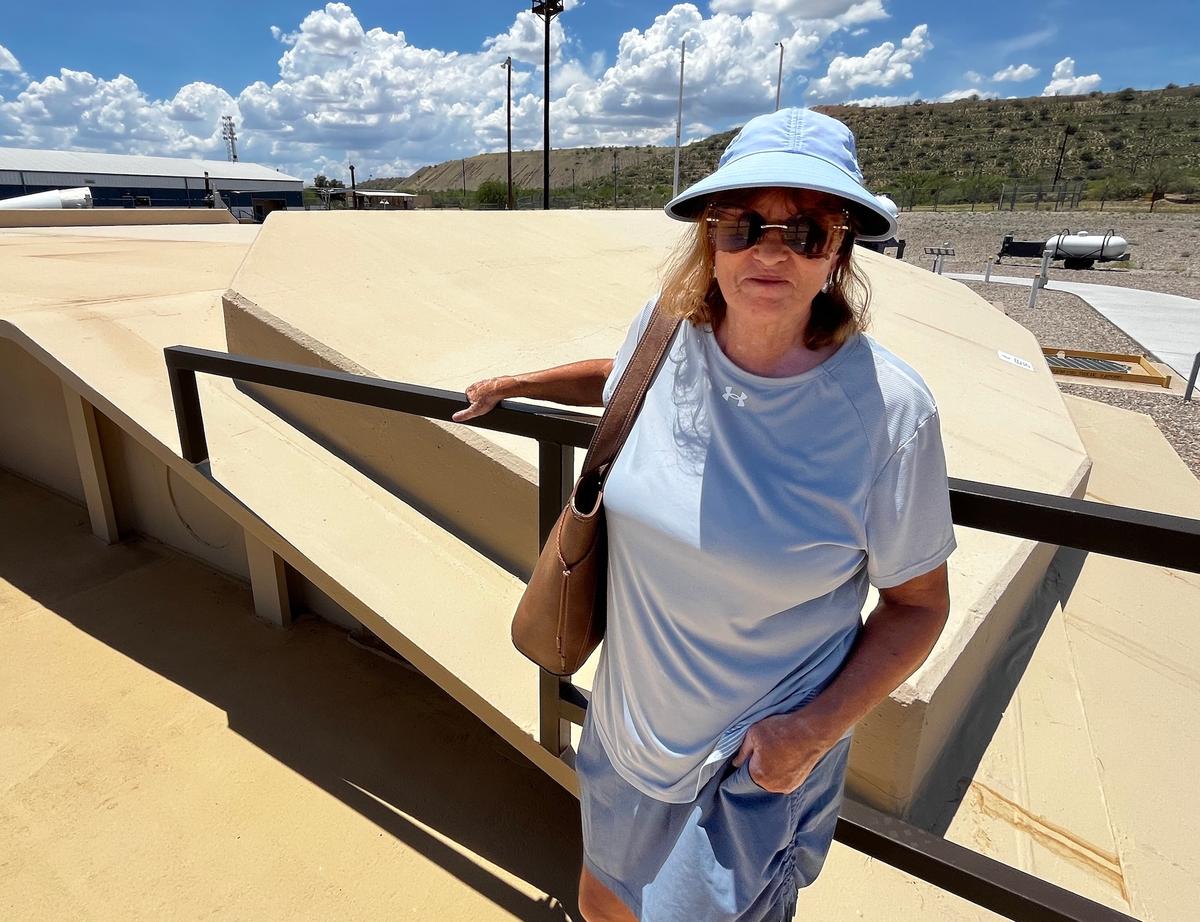
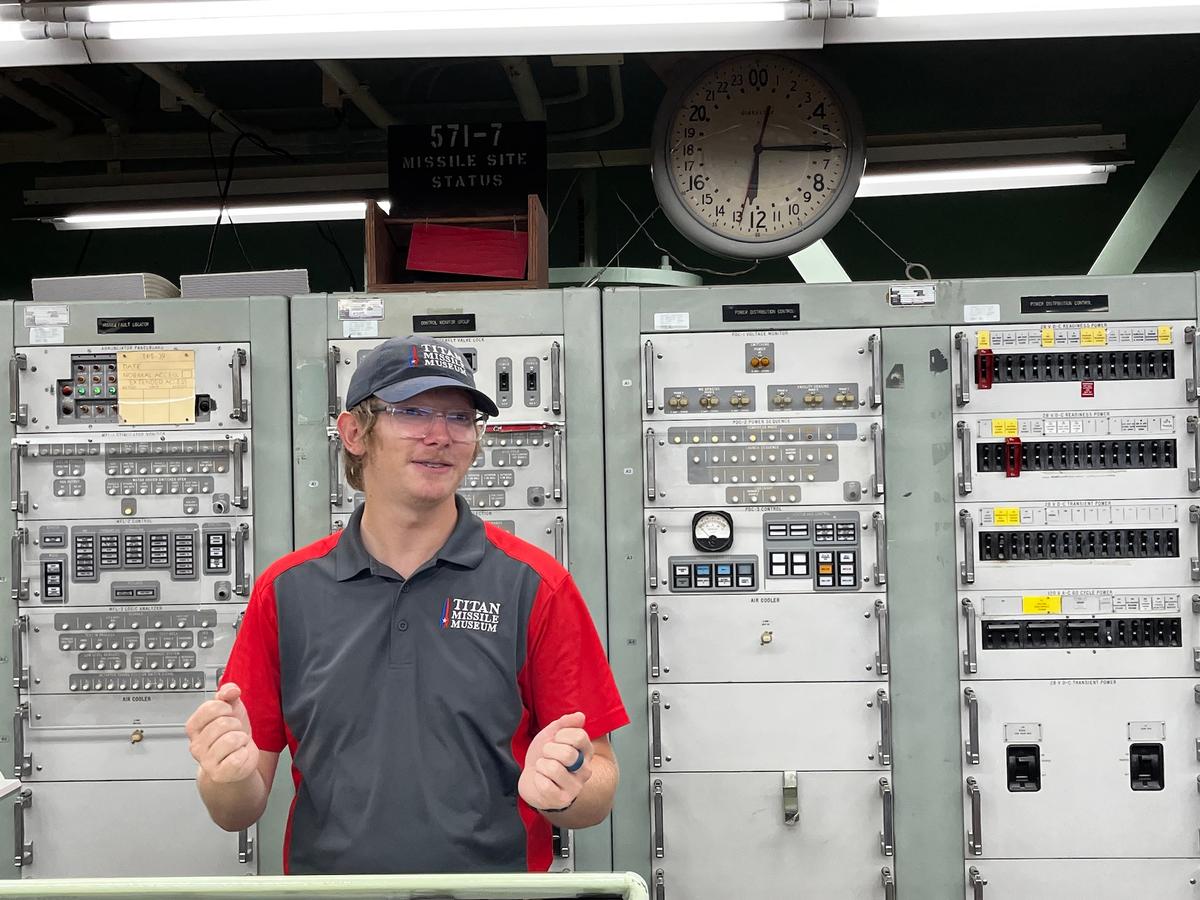
On July 24, guide Riker led about 10 visitors down the concrete steps and through the main outer blast door for an inside look at the launch control center and the missile itself.
“Who is the one person in the United States that can authorize an ICBM launch?” Riker asked.
“The president,” a visitor responded correctly.
“Now, the president still wouldn’t do so unless there were already incoming missiles,” said Riker, who asked to only give his first name.
During the Titan II era, the last thing anyone could imagine was to launch the missiles, he said.
The purpose was deterrence. But if missiles were incoming and the president ordered a launch, that order would go to the Pentagon, then Strategic Air Command, or SAC, in Omaha, Nebraska, Riker said.
From there, it would be transmitted to the aircraft, submarines, and silos equipped with nuclear warheads—America’s nuclear triad—including Arizona’s missile sites.
David Stumpf, a former volunteer historian and guide at the museum, described the Titan II as carrying the nation’s largest operational nuclear warhead capable of destroying entire cities.
“The Titans had a special mission: They were going to dig out the deeply buried control centers or redoubts” across enemy territory, Stumpf said.
Incoming Soviet missiles, however, did not need a direct hit.
“If they hit the interchange, that would be enough to put enough dirt on top of the silo closure door to stop it from opening,” Stumpf told The Epoch Times.
“They didn’t need to destroy the silo. They just needed to stop it from launching.”
Stumpf said the Titan II was an offensive weapon whose combined power could have devastated large areas of the Soviet Union.
It was an unthinkable scenario—one that never came to pass as restraint prevailed and history took a different course.
“It never got to the point where it was going to be a nuclear exchange,” he said.
View From the Other Side
Museum visitor Tatiana McClure of Tucson, now in her 60s, grew up in St. Petersburg, in the former Soviet Union, before emigrating to the United States in 1993.
As a child, McClure said Soviet citizens knew about the threat of nuclear war, but life continued, and fear was not a constant presence.
“I never felt fear ... but, of course, now from this perspective, I do realize this fear now, but not while I was there,” McClure told The Epoch Times.
With global tensions rising, Aldrich believes the Titan II legacy is that deterrence works—and that vigilance remains the enduring price of national security.
Even today, she believes the public does not fully understand the responsibility entrusted to those who served in the missile field because the job was so secret—you never talked about it, “even when you were at home with your family.”
“It is not a career field that is understood. It’s just not something that the public generally understands is out there now,” Aldrich said.
The Cold War missiles are a daily reminder of a “very tense time,” when any mistake could have triggered a nuclear catastrophe.
“I wish [nuclear weapons] didn’t exist,” Aldrich said. “But I think, considering human nature and the desire for power and control, they are necessary.
“Bottom line for me: God is still in charge, but humans have flaws.”