Mizan quoted Mojtaba Shasti Karimi, a senior Iranian Foreign Ministry official, as saying on Dec. 7 that 55 nationals had been transferred from the United States after they expressed their desire to return to Iran and completed the necessary legal and administrative steps.
Karimi said the group followed an earlier cohort returned in September and October, and reiterated long-standing Iranian allegations that its citizens had faced mistreatment while in U.S. custody or transit.
He said Iran had documented complaints through diplomatic channels.
Karimi added that Tehran had instructed Iran’s Interests Section in Washington and its embassies in transit countries to ensure the group is “treated appropriately and humanely during their transfer to Iran.”
U.S. authorities did not immediately acknowledge the reported deportation flight, and it was not clear whether the plane had arrived in Tehran.
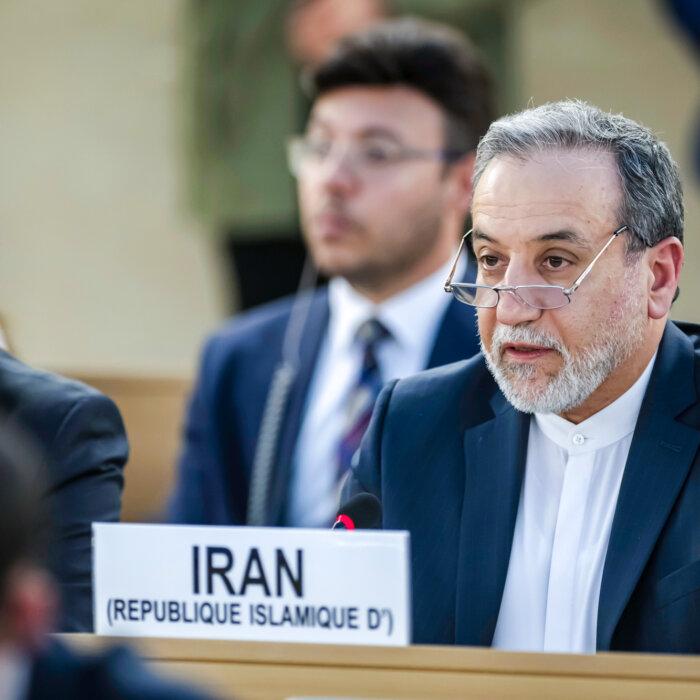
Large numbers of Iranians have migrated to the United States since the 1979 Islamic Revolution, many citing political, religious, or social persecution. Washington has historically granted residency or asylum to some Iranian applicants, while Tehran maintains that only those facing criminal charges risk prosecution if they return.
The Department of Homeland Security and the State Department did not respond to requests for comment by publication time.
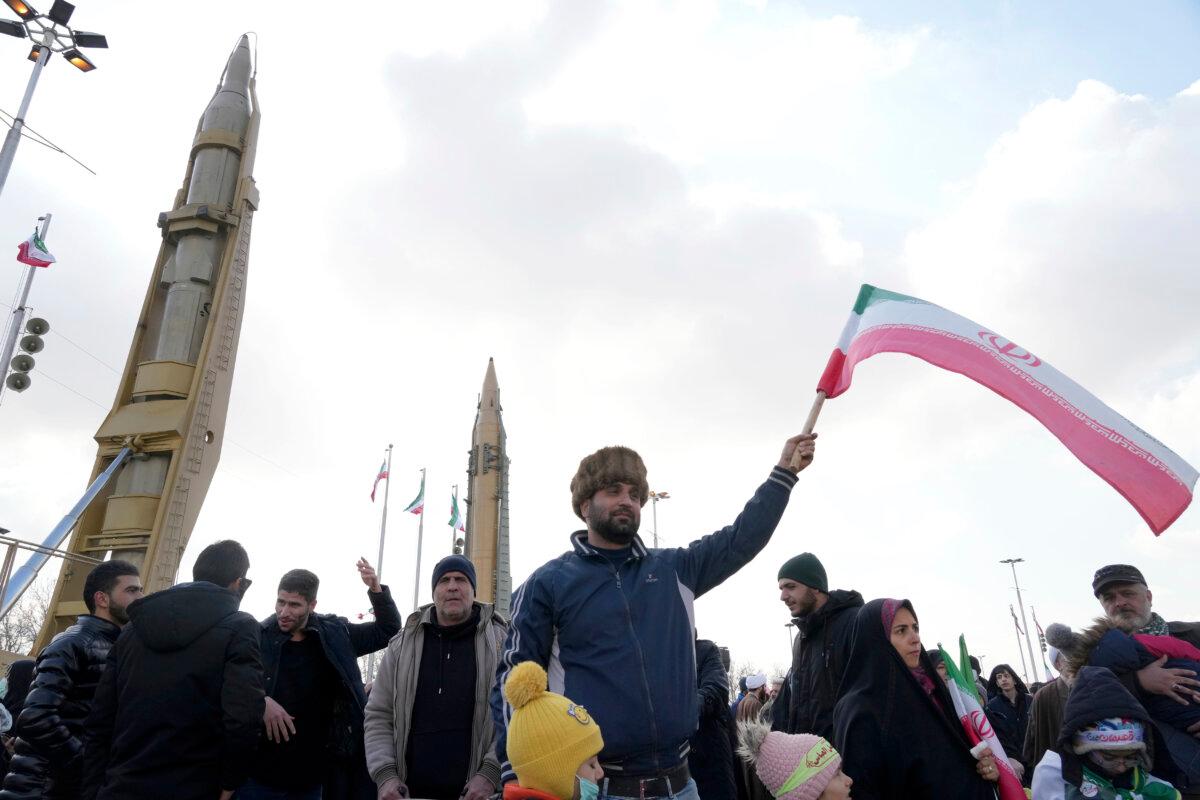
Iran has detained foreigners and dual nationals in the past and exchanged several in prisoner swaps, raising concerns among Western governments.
Iran Condemns IAEA Resolution
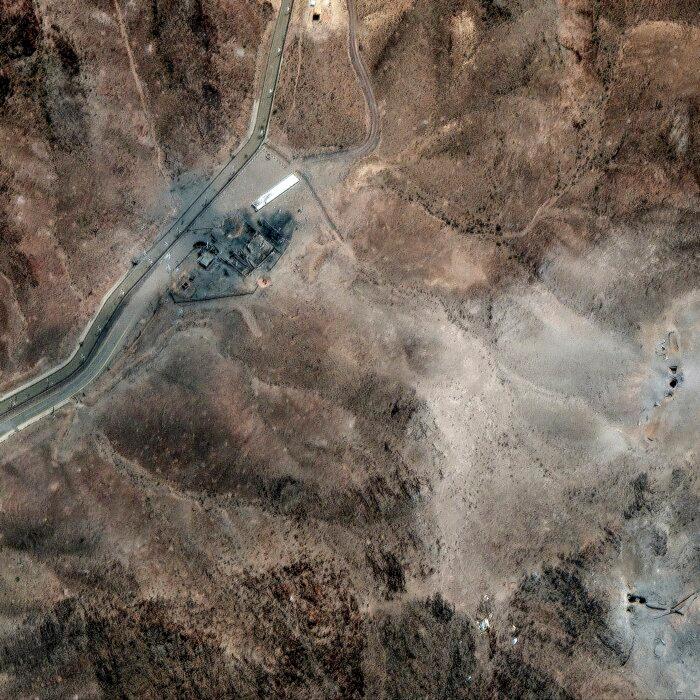
On Nov. 21, the Iranian Foreign Ministry condemned a Nov. 20 IAEA Board of Governors resolution that declared Iran noncompliant with its safeguards obligations under the Nuclear Non-Proliferation Treaty (NPT).The resolution, backed by the United States and European nations, said inspectors had been unable—for more than five months—to verify Iran’s stockpile of highly enriched uranium and demanded full cooperation.
Tehran called the measure “illegal and unjustified” and insisted that its nuclear program remained peaceful.
The dispute has widened since the United Nations reimposed sanctions on Sept. 27 through the Joint Comprehensive Plan of Action “snapback” mechanism, triggered by the UK, France, and Germany after alleging Iranian violations of enrichment limits.
The United States withdrew from the 2015 deal in 2018, and efforts to revive it—under both the Biden and Trump administrations—have stalled.
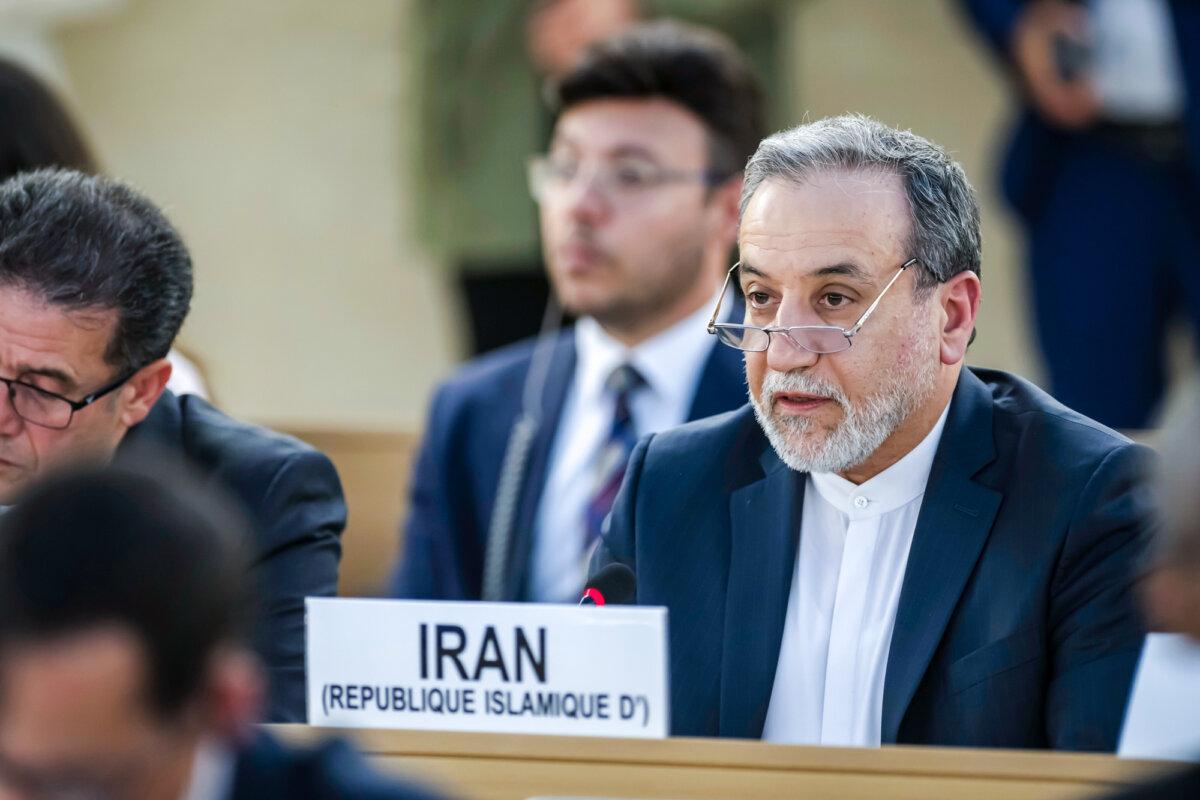
Araghchi reiterated that Iran’s “main point of disagreement” with Washington is recognition of Iran’s right to enrich uranium under the NPT, comparing Tehran’s position with that of Japan.
“We simply want our right and intend to use it, and this is done under the full supervision of the Agency,” he said.
“The United States will continue to act in support of National Security Presidential Memorandum 2 ... to deny [Iran] access to resources needed to sustain its destabilizing activities,” State Department spokesperson Tommy Pigott said.
On Dec. 4, Esmaeil Baqaei, an Iranian Foreign Ministry spokesperson, marked the U.N. International Day Against Unilateral Coercive Measures by saying that sanctions “violate fundamental human rights” and amount to a “crime against humanity.”